March 2026

Belt and Road Financial Integration: A Catalyst for Local Economic Development

More Than $1 trillion in projects linked to the belt and road initiative have transitioned from proposal to construction phases, illustrating the fast-changing nature of BRI finance in reshaping cross-border investment and regional development landscapes.

Belt and Road Facilities Connectivity

Belt and Road Financial Integration

Belt and Road People-to-People Bond

This discussion delves into the financial architecture, payment and settlement systems, and the array of funding channels—ranging from the Silk Road Fund to the Asian Infrastructure Investment Bank—that are interlinking markets. We concentrate on the practical mechanisms supporting international financial cooperation and economic connectivity. The role of hubs such as the Greater Bay Area and platforms like CIPS and CNAPS in bolstering liquidity and RMB settlement is also explored.

Scholarly insights and policy declarations frame the belt and road initiative as a catalyst for enhanced development quality and mutual benefits. Concurrently, BRI finance evokes concerns regarding regulatory alignment, cross-border risk management, and governance, which are critical for U.S. investors and policymakers examining global market integration.

Key Takeaways

  • BRI finance has fueled major cross-border investment and infrastructure expansion.
  • Cross-border payment systems and settlement platforms sit at the core of international financial cooperation.
  • Regional hubs such as the Greater Bay Area serve as gateways to economic connectivity.
  • A mix of multilateral lenders and sovereign funds underpins project finance.
  • Sustained integration still depends on solving major challenges in regulatory coordination and risk governance.

Overview Of The Belt And Road Initiative And Financial Architecture

The belt and road initiative, initiated in 2013, aimed to revive ancient trade routes, linking China’s modernization with global cooperation. It builds upon the Silk Road’s legacy, striving to strengthen economic connectivity through transport, digital links, and capital flows. Policy documents underscore the importance of open, green, and clean cooperation, aligning BRI goals with the UN 2030 Agenda for Sustainable Development.

Belt and Road Facilities Connectivity

Historical And Policy Context

The silk road economic belt is rooted in the historical Silk Roads and maritime routes, establishing a profound narrative foundation. The 2023 white paper reaffirmed the principles of extensive consultation, joint contribution, and shared benefits. It frames BRI participation as non-exclusive, respecting national differences and promoting market-driven, business-led projects supported by government platforms.

Regional frameworks add institutional depth to the initiative. The Guangdong-Hong Kong-Macao Greater Bay Area Outline Development Plan creates pilot zones for cross-border financial innovation. Practical mechanisms such as Stock Connect and Bond Connect serve as templates for broader international financial cooperation and cross-border market access.

Core Financial Mechanisms Supporting BRI

The initiative’s financial architecture combines state-backed funds, multilateral banks, and payment systems to mobilize capital. Key actors include the Silk Road Fund, Asian Infrastructure Investment Bank, China Development Bank, and the Export-Import Bank of China. These institutions provide concessional lending, project finance, and co-financing for infrastructure and energy projects.

Cross-border payment platforms and pilot programs strengthen settlement and liquidity. Systems such as CIPS and offshore RMB corridors work alongside CNAPS and multilateral pilots like mBridge to improve transaction efficiency. These tools are central to bri finance, aiming to reduce friction in payments for cross-border trade and investment.

Regulatory pilots and connectivity projects support long-term economic connectivity. Wealth Management Connect and other pilot programs test capital flow liberalization while keeping risk controls in place. Together, these mechanisms form a layered financial architecture that underwrites BRI projects and promotes international financial cooperation.

Belt And Road Financial Integration

The Belt and Road Financial Integration initiative seeks to harmonize payments, funding, and regulatory frameworks across diverse jurisdictions. This endeavor focuses on the establishment of expedited cross-border payment systems, enhanced RMB settlement mechanisms, and the aggregation of capital from various multilateral and sovereign entities. Such measures are instrumental in translating trade, infrastructure, and cross-border investment plans into tangible, operational realities.

Cross-Border Payment And Settlement Infrastructure

Advancements in payment infrastructure, exemplified by the China National Advanced Payment System (CNAPS) and the Cross-Border Interbank Payment System (CIPS), significantly reduce settlement durations and associated costs for international trade. The development of offshore RMB payment corridors and initiatives like mBridge further enhance the efficiency of cross-border transactions, promising lower transaction fees and faster settlement times compared to traditional systems.

Enhanced settlement capabilities contribute to improved liquidity for both importers and exporters, facilitating broader cross-border payment flows aligned with the Belt and Road Financial Integration objectives. Digital payment platforms and regional fintech hubs play a critical role in bridging access and speed disparities, benefiting small and medium enterprises.

Capital Mobilization And Diversified Financing Channels

The financing landscape for infrastructure projects is diversified, incorporating contributions from policy banks, commercial lenders, and specialized funds to manage risk. The Silk Road Fund injects equity and project finance, complemented by the Asian Infrastructure Investment Bank’s provision of concessional debt and large-scale loans for environmentally sustainable projects.

Policy banks, such as the China Development Bank and the Export-Import Bank of China, bridge financing gaps where private capital is scarce. The introduction of innovative trade finance and cross-border investment products by private capital and fintech platforms expands the available resource pool.

Regulatory Coordination And Risk Management

Regulatory heterogeneity across countries poses significant challenges to cross-border finance. Initiatives aimed at harmonizing Anti-Money Laundering/Combating the Financing of Terrorism (AML/CFT) standards, sharing supervisory data, and adopting Environmental and Social Management Frameworks aim to mitigate legal and reputational risks for lenders and project sponsors.

The deployment of hedging instruments, standardized contractual terms, and centralized authorization for critical settlement systems aids in managing currency and interest-rate risks. Enhanced collaboration between host-country regulators and lenders is essential for ensuring the safe execution of projects under the Belt and Road Financial Integration framework.

Regional Hubs And Case Study: Greater Bay Area As A Financial Gateway

The Greater Bay Area is a unique amalgamation of port capacity, high-tech clusters, and global finance, positioning itself as a critical hub for Belt and Road finance. Its status as a financial gateway is underpinned by its maritime connectivity, open markets, and policies facilitating cross-border capital flows. This synergy enhances economic connectivity across Asia and beyond.

Geographic And Economic Significance

The GBA encompasses Guangdong Province, Hong Kong, and Macau, situated along the South China Sea. Its major ports handled over 78 million TEUs in 2021, solidifying its role as a logistics anchor for trade corridors. The region’s combined GDP neared $1.67 trillion in 2020, driven by Shenzhen’s tech sector and Hong Kong’s financial prowess.

These strengths foster deeper market integration with Southeast Asia and the globe. The region’s transport and trade capabilities position it as a natural hub for project finance and RMB liquidity, essential for Belt and Road initiatives.

Financial Ecosystem Strengths

Hong Kong boasts highly liquid capital markets, deep asset management expertise, and a robust legal framework. The HKEX and Shenzhen Stock Exchange offer complementary capital pools for equity and debt issuance.

Shenzhen’s fintech ecosystem, led by Tencent, and strong domestic capital formation are notable. Connectivity tools like Stock Connect, Bond Connect, and Wealth Management Connect facilitate cross-border distribution and structured finance tailored to infrastructure needs.

Growth Metrics And Projections

The financial sector’s share of regional GDP rose to about 23.4% in 2022 from 21.8% in 2019. Banking assets increased from RMB 29.8 trillion to RMB 33.4 trillion over the same period. Stock market capitalization expanded significantly, reflecting rising investor depth.

Mobile payment volumes reached RMB 29.2 trillion in 2020, indicating a broad base for digital finance and financial inclusion. PwC projected roughly 8.5% CAGR for the GBA financial industry through 2025, pointing to continued expansion in services supporting cross-border project structuring and risk management.

Measure Year 2019 2022 Value Meaning
Banking assets in RMB 29.8 trillion RMB RMB 33.4 trillion Stronger balance sheets for project lending
Equity market cap (RMB) 47.4 trillion RMB 62.1 trillion RMB Greater market integration and financing depth
Finance sector as % of GDP 21.8 percent 23.4% Rising regional financial specialization
Mobile payment volume (RMB) 29.2 trillion (2020) Foundation for fintech-driven inclusion

Policy initiatives such as the Outline Development Plan and Wealth Management Connect create pathways for increased economic connectivity and smoother market integration. Public and private investments in fintech and clearing infrastructure reinforce the GBA’s capacity to channel capital to Belt and Road projects.

The Greater Bay Area’s blend of global finance, digital innovation, and logistics positions it as a practical hub for advancing financial inclusion in project regions. Its capabilities support structuring, RMB settlement, and distribution of investment products that scale BRI finance across borders.

Impacts On Global Financial System And RMB Internationalization

The Belt and Road Initiative is transforming the global financial system by fostering closer market connections and reducing cross-border finance barriers. This initiative enhances capital flow, promotes market integration, and opens new avenues for trade finance. Such developments are redefining the dynamics of investment capital circulation across Asia, Africa, and Europe.

Market integration is catalyzing liquidity effects in interconnected exchanges and bond markets. Initiatives like Stock Connect and Bond Connect are expanding foreign investor access. This increased liquidity facilitates better price discovery and risk sharing. Yet, it also heightens the vulnerability to swift capital flow reversals, necessitating vigilant monitoring by policymakers.

The advancement of RMB internationalization is evident through the expansion of settlement rails along the Belt and Road. The establishment of systems like CIPS and offshore clearing hubs facilitates RMB settlement in trade and project finance. Digital initiatives, including central bank digital currency pilots and cross-border testing, aim to diminish payment frictions and foster currency diversification in invoicing and reserves.

The increasing utilization of RMB in trade settlements augments demand for RMB-denominated assets. This trend prompts banks and asset managers to develop local markets and instruments. Legal frameworks, regulatory alignment, and market depth are essential for transitioning from regional to broad international acceptance.

New multilateral institutions are playing a key role in this transition. The Asian Infrastructure Investment Bank (aiib) and the Silk Road Fund mobilize capital for large-scale projects, providing financing terms distinct from traditional lenders. Their actions foster international financial cooperation, encouraging co-financing arrangements with the World Bank, regional development banks, and private investors.

These institutions introduce innovative governance practices and sustainability criteria, influencing project standards. By pooling resources and providing diverse instruments, they facilitate long-term funding for infrastructure and energy. This supports deeper regional market integration and enhances liquidity resilience.

Risks, Challenges, And Governance Considerations For BRI Finance

The Belt and Road Initiative heralds unprecedented economic opportunities. Yet, it also introduces a complex array of financial risks necessitating meticulous governance. Stakeholders, from the Asian Infrastructure Investment Bank to national finance ministries, must carefully weigh project profitability against the risks of country exposure and market volatility.

Political And Sovereign Risk In Host Countries

Spanning diverse states with disparate institutional capacities and political stabilities, BRI projects are inherently susceptible to disruptions. Sudden policy shifts, elections, or weak legal frameworks can abruptly halt revenue streams, elevating sovereign risk for lenders and insurers. To mitigate these risks, entities like the Silk Road Fund employ diversified portfolios, conduct thorough risk assessments, and procure political risk insurance.

Private and public entities must undertake rigorous project-level due diligence. This includes scenario planning for contract renegotiations, debt-service stress tests, and ensuring alignment with local development priorities to diminish political risk.

Financial Market Stability And Contagion Concerns

The integration of cross-border markets heightens the risk of contagion. Exchange rate fluctuations, rapid capital reversals, or credit shocks in one market can swiftly spread to others, jeopardizing financial stability. Policymakers must bolster macroprudential tools, liquidity buffers, and currency risk management to counter these threats.

Hedging strategies, derivatives, and clear crisis-resolution protocols are instrumental in managing shocks. Enhanced regulatory coordination among central banks and supervisors is critical for effective crisis management and systemic risk mitigation.

Environmental, Social, And Governance (ESG) And Public Perception

Large-scale infrastructure projects often face opposition due to land disputes, environmental degradation, and local resistance, which can severely impact public perception and project viability. Entities such as the AIIB adhere to Environmental and Social Management Frameworks alongside transparent procurement practices to uphold ESG standards.

Engaging in robust community consultation, implementing anti-corruption measures, and conducting independent monitoring are essential for securing social license. Adherence to ESG principles not only reduces litigation risks but also fosters long-term investment returns for both investors and host communities.

Regulatory alignment, AML/CFT, and technical standards

Divergent compliance regimes create operational challenges and vulnerabilities in anti-money laundering and combating the financing of terrorism (aml/cft). Multilateral information sharing and the adoption of harmonized technical standards are imperative to bridge these gaps. Centralized authorization models for cross-border settlement systems facilitate oversight and support consistent enforcement.

Area of Risk Main Challenge Mitigation Measures
Political and sovereign risk Policy instability, debt distress Risk insurance, diversification, project due diligence
Financial contagion FX volatility and capital flight Macroprudential safeguards, foreign-exchange hedging, and liquidity support
Environmental/social governance and perception Local resistance and environmental harm ESMFs, open procurement practices, and strong stakeholder engagement
Regulation and AML/CFT Fragmented rules and compliance weaknesses Regulatory coordination, information sharing, harmonized standards
Institutional governance Weak supervision and corruption exposure Corruption safeguards, institutional capacity building, and international cooperation

Conclusion

The Belt and Road Financial Integration merges payment systems like CIPS and CNAPS with digital innovations such as digital RMB and mBridge. It also incorporates a variety of funding sources, including the Asian Infrastructure Investment Bank and the Silk Road Fund. This integrated framework seeks to diminish transaction costs, facilitate capital mobilization for infrastructure, and enhance RMB’s global role. It also fosters international financial cooperation and inclusion.

Practical outcomes include expedited cross-border transactions, increased credit access for regional projects, and the advent of fintech solutions. These advancements are critical for regional development. Key players, such as policy banks, multilateral lenders, and gateways like the Greater Bay Area, enhance their capacity for large-scale, sustainable projects. This makes bri finance more effective for cross-border investments.

Conversely, the initiative necessitates a focus on governance and risk management. It is imperative to establish robust ESG standards, implement anti-corruption measures, and fortify AML/CFT frameworks. This is to mitigate sovereign, contagion, and reputational risks. For U.S. investors and policymakers, engaging transparently on standards and monitoring RMB settlement trends, AIIB portfolios, and regional hubs is vital. It will influence the evolving global financial architecture.

Finding Eco-Friendly Long Island Stairlifts Options

Were you aware that over 40% of mobility-related home service calls on Long Island are due to routine wear that could be prevented? This figure shows the importance of regular maintenance in maintaining safe operation and cutting long-term costs for families.

Learn more about Stairlifts Installation Long Island
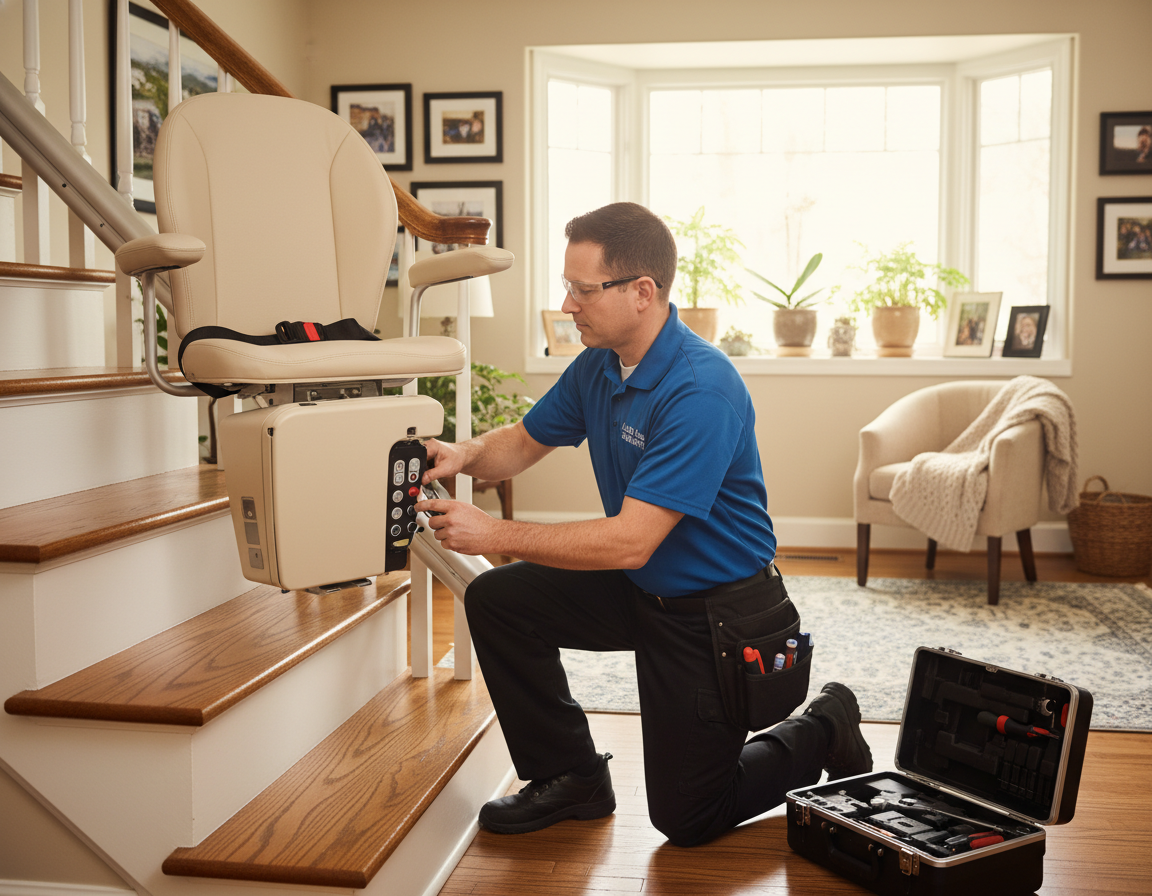
StairGlider.Net, a veteran- and family-owned business, has been serving Long Island for over 20+ years. We are fully approved and fully insured to handle all your stairlift needs. Our services include installations, repair work, removals, preventive maintenance, and 24/7 emergency repair service. We offer same-day service across Nassau and Suffolk counties.

Our experienced service team provides personalized consultations and hands-on training during installations. We cater to a large number of communities, from Wantagh and Valley Stream to Stony Brook and Southampton. Our services also extend to Amityville, Babylon, Hempstead, Huntington, Patchogue, Riverhead, Smithtown, Westbury, and many more.

We focus on installing and maintaining many types of stairlifts, including straight and curved models for both indoor and outdoor use. Our expertise covers residential, commercial, and institutional settings. As an authorized dealer for leading brands like Acorn, Bruno, Brooks, Stannah, and others, we ensure professional certified service and quick installations, often completed within only a few hours.

Values including respect, loyalty, trust, honesty, and empathy sets us apart. StairGlider.Net offers competitive pricing and is open seven days a week. We prioritize high-quality customer service, ready to assist with both routine maintenance and urgent repairs for Long Island homeowners.

Main Takeaways

  • Stairlifts Maintenance Long Island helps prevent many common service calls and extends equipment life.
  • StairGlider.Net is a family- and veteran-owned company with more than 20 years of local experience.
  • Services include installation, repairs, preventive maintenance, removals, and 24-hour emergency response.
  • Coverage spans Nassau and Suffolk counties, including major towns and neighborhoods across Long Island.
  • As an authorized dealer for top brands, the company installs straight, curved, indoor, and outdoor stairlifts.

Why Regular Stairlift Maintenance Matters For Long Island Homeowners

The daily rhythm of Long Island homes often puts stairlifts to constant use. Small issues tend to accumulate when tracks, gears, batteries, and upholstery face repeated motion and coastal humidity. Regular care keeps systems running smoothly and helps owners avoid surprise interruptions.

Stairlift Long Island

Daily Use And Wear On Long Island Staircases

Many Long Island homes have multiple levels, which means stairlifts long island see frequent trips each day. Repeated starts and stops increase friction on rails and wear on mechanical parts. Routine cleaning, light lubrication, and periodic waxing help reduce abrasion and keep components aligned.

Safety And Reliability Benefits

Routine inspections catch sensor faults, loose fasteners, and battery decline before they cause an in-use failure. A long island stairlift with tested safety switches and proper track alignment reduces the risk of falls. Technicians check controls, diagnostic codes, and emergency stops to preserve reliable operation.

Saving Money Over Time

Scheduled preventive care lowers lifetime costs by stopping small problems from turning into major repairs. Annual visits that include cleaning, lubrication, and parts checks help preserve warranties and extend service life. Investing in stairlift maintenance long island pays off compared with emergency callouts or early replacement.

Stairlift Maintenance Services On Long Island

Regular maintenance ensures mobility equipment remains safe and functional for years. Homeowners on Long Island, who rely on stairlifts, benefit from routine checks, simple cleaning, and timely repairs. A checklist helps identify issues early, ensuring smooth daily travel.

Annual Maintenance Checklist

Follow these steps annually for routine upkeep. A structured checklist makes service easier to track.

  • Clean and wax the carriage and track to reduce friction and debris buildup.
  • Check and tighten fasteners, brackets, and rail connections.
  • Test rechargeable batteries and replace them when needed; verify charging systems.
  • Review safety sensors, seatbelts, swivel seats, and footrests for signs of wear or failure.
  • Lubricate moving parts where recommended by the manufacturer.
  • Inspect the power source, remotes, and onboard electronics for issues.
  • Confirm rail alignment and limit-switch settings to ensure smooth travel and stopping.

What Is Included In StairGlider.Net’s Preventive Maintenance

StairGlider.Net’s team of trained technicians conducts a thorough safety inspection. They perform mechanical adjustments, cleaning, waxing, and lubrication to minimize wear.

Battery assessments use genuine manufacturer parts for replacements. Technicians run diagnostic checks on controls and safety systems and complete minor repairs onsite when appropriate.

Each service visit is documented, with clear recommendations for future care. Authentic parts help ensure warranty coverage and lasting reliability for clients.

How Often Maintenance Is Recommended

For most households, one annual visit with cleaning and waxing is the minimum. Daily-use stairlifts should follow this schedule to prevent unexpected faults. A yearly visit provides a solid maintenance foundation.

Frequently used units, curved rails, commercial installs, or outdoor stairlifts often require semi-annual service. Call for immediate service if you hear unusual noises, notice slower operation, experience erratic stops, or see warning indicators. Prompt attention to these symptoms can prevent bigger repairs.

Signing up for a preventive maintenance plan offered by StairGlider.Net provides scheduled inspections and priority emergency response. Regular service reduces long-term costs and keeps your stairlift maintenance Long Island needs current. That added structure can make ownership easier and more predictable.

Rapid Repairs And Emergency Support For Stairlift Repair Long Island

When a stairlift fails, quick help is essential to restore safety and routine. Our team offers prompt response across Long Island. This ensures families regain mobility without lengthy interruptions. Quick support helps reduce stress and restore independence sooner.

  • Technicians are ready 24/7 to respond to calls for stairlift repair long island.
  • Our dispatch process quickly routes the closest certified technician for on-site support.
  • Whenever possible, emergency visits are designed to diagnose the issue and restore operation the same day.

Common repairs and quick fixes

  • Battery replacement and charging system repair are common and are often completed on the first visit.
  • Track alignment, motor and gear troubleshooting, and controller or remote repairs get fast attention.
  • Many stopping problems are corrected through sensor recalibration, seat swivel fixes, and limit-switch adjustments.
  • Cosmetic repairs, upholstery patching, and footrest or armrest adjustments are completed on-site using stocked genuine parts.

Authorized service for major brands

  • Authorized repair service is available for Acorn, Bruno, Stannah, Savaria, Handicare, Harmar, Atlas, Otolift, and other major brands.
  • Using genuine manufacturer parts helps preserve warranties and safety standards for long island stairlifts.
  • Experience spans straight and curved systems, plus indoor and outdoor models, with decades supporting local residents.

Long Island Stairlift Installation And Maintenance Options

Choosing the right installer is key for comfort and safety. Our team provides custom stairlift installation services for both homes and businesses on Long Island. We measure each staircase, select the most suitable model, and conduct thorough safety checks. This ensures users feel safe and confident from the start.

Installation Services Tailored To Your Home

Certified dealers handle installations for straight and curved stairs in various settings. This includes homes, apartments, churches, schools, hospitals, medical offices, and commercial sites. Most installations are completed within just a few hours. They also include a post-installation inspection and user training. For outdoor use, our stairlifts are weather-resistant and corrosion-proof, suitable for decks, porches, and exterior stairs.

Warranty Support And Maintenance Plans

  • Maintenance plans schedule routine inspections and offer priority emergency support.
  • These plans provide discounted service rates and clear explanations of warranty coverage, including parts and labor.
  • Technicians use genuine parts to keep warranty compliance intact and extend the life of your stairlift.

Support For Veterans And The Local Community

This business is veteran-owned and dedicated to serving Long Island neighbors with compassion. Veterans enjoy discounts, and clients praise our fast installations, clean work, and professional technicians. Our community-focused service aims to support independent living and build trust across the island.

If you have questions about stairlift installation on Long Island or to schedule an assessment for your stairlift, contact a certified installer. Learn about our custom options and warranty-inclusive plans. A certified consultation can help identify the most suitable setup for your needs.

Final Thoughts

Regular stairlift maintenance on Long Island helps families stay safe and avoid expensive repairs. Routine inspections and preventive care catch problems early, helping prevent accidents. This keeps long island stairlifts running smoothly, giving families the independence they need. A proactive approach makes daily mobility more reliable.

StairGlider.Net offers over 20 years of experience, backed by authorized dealer support for top brands. Their team, led by veterans, brings a family-centered approach to every project. They provide same-day installations, repair services, and 24/7 emergency support, ensuring quick solutions to any issues. That combination of experience and responsiveness gives homeowners confidence.

Enrolling in a preventive maintenance plan and scheduling yearly service visits can significantly extend your stairlift’s life. It also reduces long-term costs. For any installation, routine service, or urgent repairs, reach out to StairGlider.Net. They will keep your stairlift in top condition, ensuring a safe and reliable ride every time. Consistent service now can help avoid costly repairs later.

Grease Trap Pumping in Arcadia Essential Maintenance Schedule for Restaurants

Grease Cleaning Pros In Arcadia is your trusted choice for dependable grease trap cleaning and Arcadia grease removal. We assist restaurants, hotels, office buildings, multi-story properties, and homes. Our grease trap maintenance methods are relied on by businesses throughout Arcadia.

Check out Grease Cleaning Pros in Arcadia

Explore more about Grease Cleaning Pros in Alhambra

Explore more about Grease Cleaning Pros in Agoura Hills

Looking for quick scheduling? Phone (888) 268-1406, +1-866-418-0864, or (888) 720-1645. Arrange inspections, regular pumping, hydro jetting, or snaking. We will guide you through compliance requirements and supply documentation after service.

This guide covers health and code compliance, recommended cleaning frequencies, and commercial grease services in Arcadia. It also provides preventative tips to help keep drains clear. You can expect straightforward advice and practical steps to protect kitchens and avoid costly backups.

Why Regular Grease Trap Cleaning Matters For Arcadia Businesses

Consistent grease trap service is vital for keeping kitchens clean and operations running smoothly. It reduces odors, limits bacterial growth, and ensures compliance with local standards. This proactive approach supports grease trap compliance in Arcadia and meets the expectations of commercial grease regulations.

Health, Safety, And Code Compliance

Thorough cleaning reduces the risk of food-borne contamination and eliminates unpleasant odors that can discourage customers. Inspectors from the Los Angeles County Department of Public Health and local plumbing authorities review records during visits. Adhering to Grease Trap Cleaning schedules and documenting each service proves compliance and avoids fines or closures.

How To Prevent Costly Backups And Downtime

Grease, food solids, and soap residue solidify over time, causing stubborn blockages. Routine pumping and maintenance help stop these blockages before they happen. This approach reduces emergency callouts, shortens downtime, and protects revenue for businesses that depend on continuous service.

Protecting The Lifespan Of Kitchen Plumbing And Drainage

If left unaddressed, grease can accelerate corrosion and wear down pipe walls. Scheduled cleaning slows this deterioration, reduces the need for pipe replacement, and lowers long-term repair costs. Including grease trap service in kitchen plumbing maintenance in Arcadia helps preserve drain function and extend the life of commercial plumbing systems.

Businesses that follow scheduled Grease Trap Cleaning benefit from operational stability. Meeting commercial grease regulations and maintaining kitchen plumbing in Arcadia help simplify inspections, protect public health, and reduce costs over time.

Grease Cleaning Pros Serving Arcadia

Grease Cleaning Pros specializes in kitchen plumbing and grease trap plumbing in Arcadia. Their services include installations, renovations, routine maintenance, and emergency repairs for commercial kitchens. The team works closely with designers and contractors to help minimize downtime for busy operations.

Grease Cleaning Pros in Arcadia

Local Presence In Arcadia

Technicians are based in the region and understand Arcadia kitchen workflows. Their regional experience helps them diagnose issues quickly and coordinate with on-site staff during busy shifts. They provide tailored recommendations for grease trap sizes, vent placement, and maintenance frequency.

Areas Served And Property Types

Their services cover restaurants, hospitality kitchens, office buildings, event venues, healthcare facilities, retail food outlets, warehouses with food preparation areas, and select residential kitchens. They handle small single-station kitchens to multi-story commercial plumbing projects.

Their services include grease trap installation, hydro jetting, drain cleaning, plumbing system inspections, commercial kitchen plumbing, and emergency plumbing support. These capabilities support both routine upkeep and urgent repairs to prevent costly closures.

Arcadia Contact And Booking Details

Property managers and owners in Arcadia can call for inspections, personalized assessments, and quotes. The contact numbers are (888) 268-1406, +1-866-418-0864, and (888) 720-1645. Request a scheduled appointment to review grease trap services or arrange ongoing maintenance plans.

Common Causes And Signs Of Grease Build-Up In Arcadia Kitchens

Grease buildup in Arcadia kitchens often starts in the pan. Warm fats and oils cool, solidify, and stick to pipe walls. When combined with food particles, soap residue, and hair, these substances form thick layers. These layers slow flow and trap even more debris, creating a vicious cycle.

Other factors can make the problem worse. Tree roots may infiltrate exterior lines, break seals, and catch grease. Aging pipes, whether cast-iron or PVC, with pitting or sagging, create pockets for grease to accumulate. Improper disposal of non-degradable items such as wipes or paper towels also speeds up blockages in both commercial and residential systems.

How Grease, Food Particles, And Soap Create Blockages

Grease clings to pipe interiors as it cools. Tiny food scraps and soap scum stick to this greasy film. Over time, those layers thicken into a dense “grease cake.” This cake resists flushing and traps more solids, leading to faster clog formation and worse odors.

Signs Your Grease Trap Or Drains Need Attention

Look out for classic grease trap warning signs. Persistent slow drains in Arcadia kitchens are a key indicator. A frequent need for snaking, visible grease at trap access points, and strong sewer or cooking odors all signal the need for service.

  • Slow drains Arcadia that take minutes to clear after washing
  • A recurring clogs diagnosis indicated by repeated service calls
  • Noticeable grease floating or residue in sink basins and traps
  • Persistent foul odors around kitchen drains or loading areas

When Recurring Clogs Signal Deeper System Problems

Recurring clogs require a deeper look. When clogs come back quickly after pumping, it may point to broken or sagging pipes, heavy grease cake, or a trap that is undersized for the workload. Such issues usually require camera inspection, focused hydro jetting, or even a system overhaul to solve the root cause.

If symptoms continue even after routine cleaning, contact Grease Cleaning Pros for advanced diagnostics and corrective solutions. Our skilled technicians use video inspection and hydro jetting to identify problems and recommend effective repairs. That approach helps stop future backups from happening.

Grease Trap Cleaning Services Offered By Grease Cleaning Pros

Grease Cleaning Pros offers a wide range of commercial services to help kitchens operate efficiently and stay within regulatory standards. Our team handles routine maintenance, deep cleaning, new installations, and usage-based custom plans. Every service includes documentation for regulatory compliance and safe disposal practices.

Routine grease trap pumping centers on solids removal and environmentally responsible grease disposal. It also includes a thorough interior scrubbing of the trap. Detailed records are maintained to document what was removed and how it was disposed of. This helps restaurants and hotels stay compliant with local regulations.

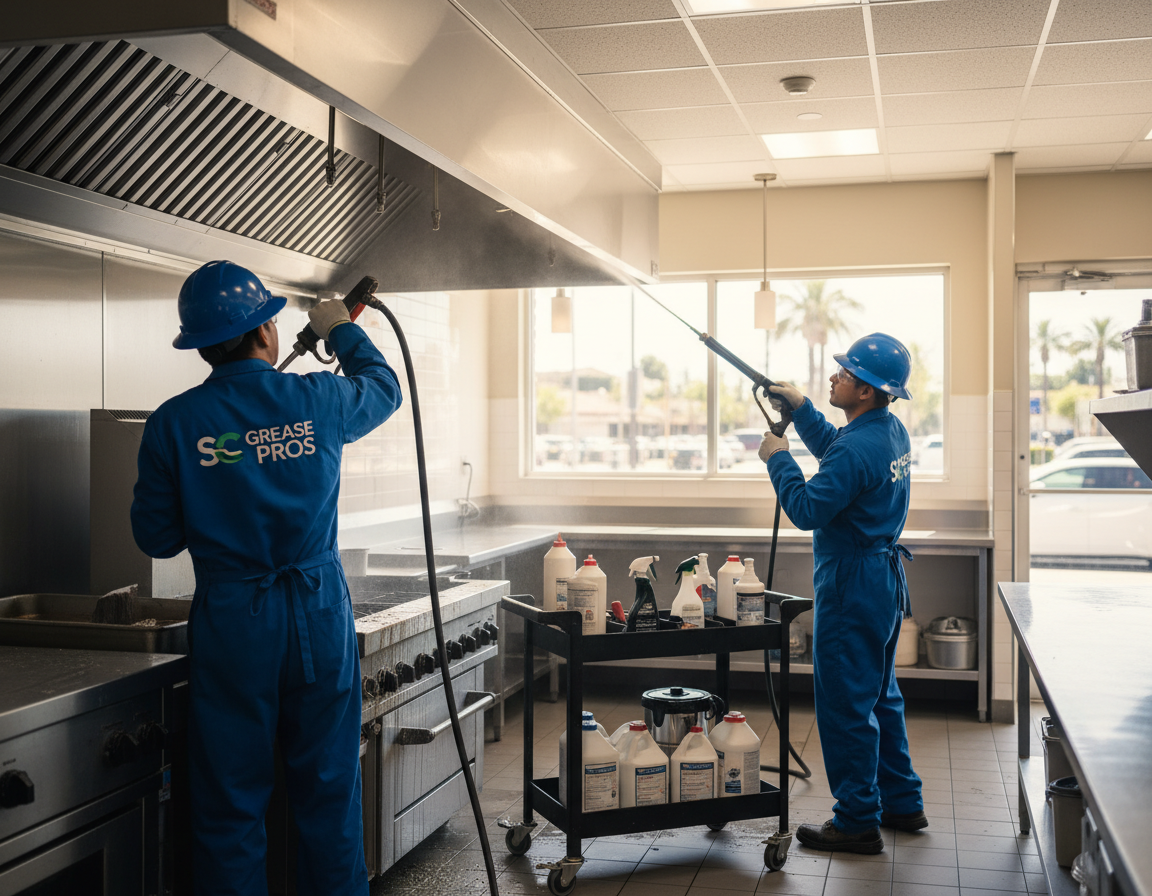
Persistent buildup inside lines is addressed with hydro jetting and mechanical snaking. Our high-pressure hydro jetting Arcadia team employs blasts of water to clear biofilm and grease from pipe walls. Afterward, technicians use camera inspections to confirm the pipes are clear.

Grease trap installation and replacement services ensure commercial kitchens have the properly sized unit in the right location. We follow municipal codes and tailor installations to fit the specific needs of restaurants, hotels, and institutions. This approach helps minimize future backups and lower maintenance costs.

We provide scheduled maintenance plans tailored to various kitchen volumes. These plans are categorized into light, moderate, and heavy usage tiers, determining the cleaning frequency and contract terms. Recurring service contracts provide predictable visits, priority response, and customized guidance to help lower grease loads.

In addition to grease trap work, we offer multiple commercial plumbing services. These include industrial drainage system installation, backflow prevention testing, plumbing inspections, and sewer line repair. The team is equipped to address any plumbing issue that may arise from grease buildup or related concerns.

  • Routine pumping: solids lift, trap interior cleaning, disposal records.
  • Heavy cleaning: hydro jetting Arcadia for stubborn grease, plus mechanical snaking and camera inspections.
  • Install & replace: proper sizing and code-compliant grease trap installation.
  • Maintenance plans: service schedules based on usage and recurring service contracts.

How Often Arcadia Properties Should Schedule Grease Trap And Drain Service

Grease and drain cleaning frequency depends on system usage. Standard systems are usually advised to be cleaned every 1–2 years. Because of their heavy use, commercial kitchens require more frequent cleaning to prevent backups and meet code requirements. That information helps create an effective drain cleaning schedule and maintenance plan for commercial kitchens.

Recommended Cleaning Intervals For Typical Commercial Kitchens

Full-service restaurants and kitchens with high volumes need cleaning every 1–3 months. Cafés with light use and small offices might get away with quarterly to biannual visits. Because banquet halls and hotel kitchens often see heavy peak-time usage, monthly maintenance is usually the best option for smooth operations.

Factors That Can Increase Cleaning Frequency

Several factors necessitate more frequent cleaning. Kitchens with heavy output of fats, oils, and grease need more frequent pumping. Older pipes with rough interiors collect buildup more quickly. Frying foods or using heavy butter and lard creates more deposits. Properties with repeated clog issues should move from annual checks to quarterly or monthly service.

How Grease Cleaning Pros Assesses Systems And Recommends Schedules

Grease Cleaning Pros starts with an on-site inspection to assess trap capacity and observe kitchen flow. Camera inspections are used by technicians to detect hidden blockages. Pressure testing and hydro-jet diagnostics reveal stubborn buildup inside lines. Using real data and local codes, the team creates a customized drain cleaning schedule and commercial kitchen maintenance plan based on that evaluation.

Arcadia owners who need a specific plan or immediate inspection can contact Grease Cleaning Pros for a personalized schedule and booking options. These options are tailored to your building’s usage and system condition.

Preparing For A Grease Trap Service Visit

When a technician arrives for a grease trap service in Arcadia, a clear process unfolds. Most drain cleaning appointments take about 1–2 hours. The crew will inspect access points, remove solids and grease, clean the interior, and complete camera inspections if necessary. Drain and vent flow is also tested during the visit.

Property managers and owners should prepare by clearing the area around the trap access. Remove obstacles near kitchen equipment. Secure perishable items and pause heavy cooking if possible. Notifying staff about temporary disruptions allows the team to work more efficiently and safely.

Technicians might use hydro jetting or mechanical snaking if there’s persistent buildup. This may extend the drain cleaning duration in Arcadia. Urgent backup situations can be handled through emergency service, and contractors also have options during renovations or system replacements.

Preparation for a grease trap visit includes being ready with necessary paperwork. Grease Cleaning Pros provides disposal records, manifests, service reports, and recommended dates for the next service. Make sure the service area is accessible so documentation and handoff can be completed more quickly.

Service Task Crew Actions Customer Prep Estimated Time
Initial assessment Inspect trap entry points and visible lines Clear the area and remove clutter from the floor About 10–20 minutes
Pumping & removal Pump out grease and solids; load waste for transport Relocate smaller equipment away from access areas 20 to 40 minutes
Internal cleaning Scrape, clean, and deodorize interior surfaces Secure food items and cover food-prep surfaces 15 to 30 minutes
Advanced clearing Perform hydro jetting or snaking and use camera inspection if needed Plan a low-usage window to reduce disruption Roughly 20–40 additional minutes
Testing & documentation Run flow tests and provide manifests and a service report Assign a staff member to receive paperwork 10 to 15 minutes

Detailed records from each visit should be kept to meet local code requirements and track maintenance history. Good preparation for a grease trap visit reduces downtime and supports compliance. Regular scheduling based on usage prevents surprises and shortens future drain cleaning duration in Arcadia.

Preventative Tips To Reduce Future Grease Problems

Effective grease prevention in Arcadia begins with establishing clear kitchen rules. Educate staff to avoid disposing fats, oils, and food waste in sinks. Ensure used oil cools down, then store it in labeled containers for proper disposal or recycling.

Implement preventive measures early on. Install high-quality strainers at all sinks and empty them into waste bins, not drains. Grease collection buckets should be placed near fryers and dish areas for efficient transfer.

Adopting kitchen grease best practices as formal policies is essential. Assign clear grease collection tasks, require covered storage, and hold monthly refresher trainings. Clear guidelines make compliance easier for both staff and management.

Grease trap maintenance tips should be followed to protect plumbing and support local regulatory compliance. Schedule pumping and visual inspections regularly based on your kitchen’s volume. Keep detailed records of each service for audits and routine checks.

Watch carefully for signs that indicate professional service is needed. Reach out to Grease Cleaning Pros for slow drains, recurring clogs, persistent odors, or visible grease at cleanouts. Prompt inspections help prevent expensive repairs and reduce downtime.

Integrate strainers and disposal practices into daily operations. Label waste and recycling bins, establish a rotation for collection, and coordinate with licensed waste haulers. Steady daily practices reduce blockages and help keep kitchens efficient.

For significant repairs, rely on experts for replacements and system upgrades. Grease trap replacement, industrial drainage installation, and full plumbing overhauls require skilled technicians. They ensure compliance with codes and long-term system performance.

Conclusion

Routine Grease Trap Cleaning is vital for Arcadia businesses to maintain compliance, avoid costly backups, and extend the life of kitchen plumbing. Grease Cleaning Pros In Arcadia provides specialized Arcadia grease services along with commercial drain cleaning. That work reduces downtime and supports health and safety.

Routine visits generally last between 1 and 2 hours. Drains generally need service every 1–2 years, with more frequent cleaning for high-traffic kitchens. Services include routine pumping, hydro jetting, installation, and additional commercial plumbing work. That helps resolve deeper issues before they cause closures.

Property owners and managers must schedule regular assessments and maintenance to avert emergencies. For inspections, emergency response, or to establish a maintenance plan, contact Grease Cleaning Pros In Arcadia at (888) 268-1406, +1-866-418-0864, or (888) 720-1645. Taking timely action helps keep kitchens compliant and operations running without interruption.

Why Commercial Kitchens Rely on Grease Trap Cleaning in Northridge

Running a successful food service operation is hard work. Every day, you manage stock, staff, and customer expectations. The last problem you need is a plumbing emergency caused by poor grease management.

This site is about Grease Cleaning Pros in Northridge

This resource is about Grease Cleaning Pros in Norwalk

Read more about Grease Cleaning Pros in Pasadena

That’s where we come in. Our nearby team is focused on helping your commercial kitchen run without disruption. We help you stay compliant with health codes and avoid costly emergencies.

This guide explains the essential maintenance your plumbing system requires. You’ll learn about interceptors, powerful hydro jetting services, and eco-friendly oil recycling.

Our goal is to deliver dependable, hassle-free service that works with your schedule. Our team makes a difficult, dirty chore into a simple part of your regular business routine.

Main Takeaways

  • Proper maintenance of your plumbing system is critical for restaurant compliance and operation.
  • Routine service helps prevent expensive emergencies and keeps your business operating smoothly.
  • Hydro jetting provides a powerful long-term solution for blocked drains and pipes.
  • Recycling used cooking oil supports sustainability and can create valuable products.
  • Working with a dedicated local provider gives you reliable, scheduled maintenance.
  • Knowing the warning signs of a problem can help you avoid major disruptions.
  • A professional team can work around your schedule to reduce business interruption.

The Essential Role Of Grease Trap Cleaning For Northridge Restaurants

Infrastructure protection is a term often used for buildings, but it applies perfectly to your restaurant’s hidden plumbing network. For restaurants in this area, proper maintenance of this system is not just a suggestion—it is a core operational necessity.

Proper care safeguards your daily workflow, your budget, and your standing with local authorities. Failing to maintain it can trigger a chain of issues that no business owner wants to face.

Preventing Costly Plumbing Disasters And Downtime

Fats, oils, and grease (FOG) are stealthy adversaries. Even the most careful kitchen staff cannot prevent every bit from entering the drains.

Dishwater carries dissolved grease. Steam from cooking transports particles that cool and stick inside pipes. A simple mistake during the dinner rush can send a problematic substance down the sink.

This steady accumulation is inevitable. If left untreated, it turns into solid blockages that can shut your kitchen down completely.

The cost of an emergency plumbing call is only the beginning. There is also lost income during downtime and the risk of property damage.

Investing in scheduled professional maintenance is far more economical. It acts as an insurance policy against these catastrophic failures.

We provide the preventative service your system needs. Our specialists identify minor issues before they become major emergencies.

Grease Cleaning Pros in Northridge

Maintaining Compliance With Local Health And Safety Regulations

Local health departments enforce strict rules for a vital reason. Their responsibility is to protect the public sewer system from grease-related damage.

Non-compliance carries serious consequences for your business. Significant penalties are common when violations occur.

Repeated offenses can risk the suspension of your operating license. That level of negligence can also damage the local environment.

Consistent maintenance from a trusted provider helps keep you inspection-ready. Our team manages the cleaning and supplies the documentation you need.

This proactive strategy prevents the foul odors and backups that warn of trouble. That allows you to focus on your customers with greater peace of mind.

Consider it the equivalent of a scheduled oil change for essential equipment. This keeps your system operating properly despite constant kitchen use.

When Should Your Grease Trap Be Professionally Cleaned?

One of the questions restaurant managers ask most often is when this essential maintenance should be scheduled. There’s no universal calendar date that works for every business.

Most restaurants need equipment service every 30 to 90 days. This range depends entirely on your kitchen’s daily output and the types of food you prepare.

A tailored schedule is the best way to ensure efficiency and compliance. It helps protect your plumbing while keeping operations smooth.

Tailoring Schedules To Your Kitchen’s Volume And Menu

Your menu and customer traffic are the biggest factors. A busy kitchen with multiple fryers generates much more waste than a small café.

Busy places like steakhouses and fried chicken shops frequently need monthly service. They create too much waste to stretch service further apart.

Smaller bakeries or pizza shops might need monthly checks at first. Following an assessment, they could extend service to cleaning every 60 to 90 days.

At Grease Cleaning Pros, our team reviews your specific situation. We examine weekly sales, cooking methods, and even dishwashing habits.

That assessment allows us to build a plan that helps stop problems before they start. It also optimizes your maintenance budget by avoiding unnecessary visits.

  • Busy hotel kitchens: Typically require the highest service frequency.
  • Family diners: May fall into a middle-ground schedule.
  • Sandwich shops: Could qualify for extended service intervals.

The Risks Of Waiting: From Foul Odors To Fines

Ignoring your service schedule opens the door to a chain of issues. A danger point is reached when any unit hits 25% capacity.

At that point, the device stops working properly. It can no longer effectively separate fats and oils from the wastewater.

The first signs are often subtle. You might notice sinks draining slower than usual.

Then, persistent foul odors begin to emanate from the drains. This smell can drift into dining areas, affecting your guests’ experience.

Complete blockages are the next, costly step. These blockages can shut down the kitchen during your busiest periods.

Local health inspectors review maintenance records carefully. Neglect leads to violations and substantial financial penalties.

Routine professional cleaning removes these risks completely. It keeps your system operating at peak performance.

With a dedicated provider, you get predictable scheduling and transparent pricing. This partnership gives you peace of mind, knowing your kitchen is protected.

Understanding Your System: Grease Traps And Grease Interceptors

Not every food service operation uses the same equipment to manage fats, oils, and grease. Two primary systems handle this crucial task. Understanding which one you have is essential for correct care and compliance.

You can think of a grease trap as a smaller, compact protector. A grease interceptor is the heavy-duty champion. Each handles the same critical task, just at very different capacities.

In many cases, local rules decide which system you must have. The choice depends on your kitchen’s size, menu, and daily water use.

In-Sink Grease Traps For Small Establishments

These units are placed directly beneath sinks or dish stations. They are intended for smaller-volume businesses.

A standard in-sink grease trap usually holds 20 to 50 gallons. It is perfect for businesses with limited frying.

Common ideal locations include:

  • Coffee shops and smaller cafés
  • Delis and bakeries
  • Pizza shops with minimal grease output

The unit works by reducing wastewater flow speed. This allows fats to cool, solidify, and float to the top for easy removal. Regular maintenance prevents cooking oil from causing problems.

Underground Grease Interceptors For High-Volume Operations

Large establishments need a more robust solution. An underground grease interceptor is a large tank buried outside the building.

These tanks are made of concrete or durable plastic. Capacities range from 500 to 5,000 gallons or more.

This type of grease trap interceptor is necessary for:

  • High-volume steakhouses and hotel kitchens
  • Large cafeterias and food processing operations
  • Any business with heavy frying activity

It works like a smaller trap, just on a far larger scale. They are built to handle heavy daily grease production.

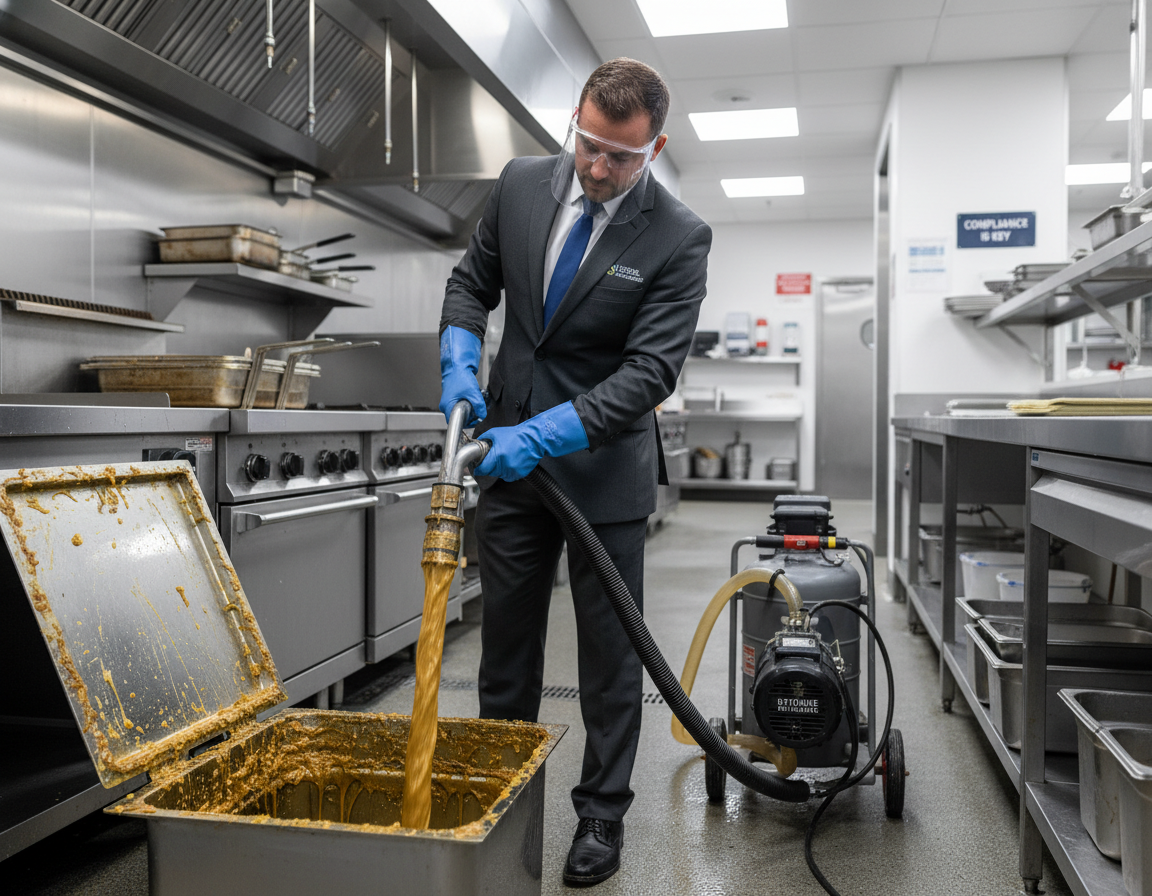
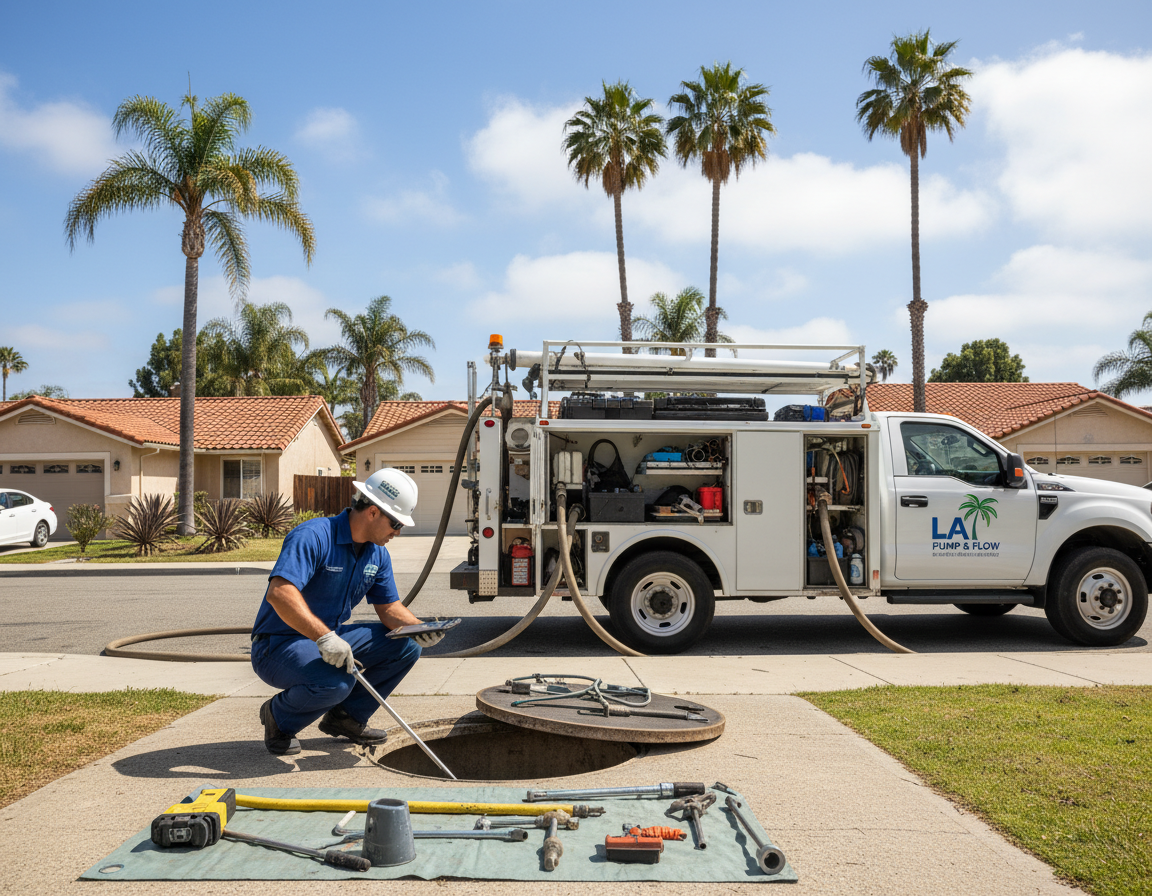
Cleaning these large grease interceptors requires specialized equipment. Vacuum trucks are commonly necessary for complete cleaning.

Maintaining either system properly helps protect the public sewer system. It prevents used cooking oil and grease from causing damage.

Our team at Grease Cleaning Pros services both types. We use portable pumps for under-sink units and powerful trucks for large interceptors.

Never pour hot water down the drain to clear a blockage. This can worsen the problem by moving grease further into pipes.

Understanding the kind of grease trap interceptor you have is the first step in dependable maintenance.

Why Hydro Jetting Is A Superior Drain Cleaning Solution

When owners look for an effective answer to chronic plumbing blockages, they often find advanced hydro jetting technology. This method stands apart from temporary fixes by addressing the root cause of drainage issues.

It delivers a deep, comprehensive cleaning that restores pipes to near-new condition. Understanding its advantages over other options is important for every business owner.

As soon as drains start slowing or clogging, many owners reach for fast remedies. In many cases, these quick attempts worsen the issue in the long run.

The Limitations Of Hot Water And Chemical Treatments

Using hot water down the drain can look like a simple solution. It may temporarily melt grease and offer short-term relief.

However, that melted material usually moves farther into your plumbing system. It eventually cools and solidifies deeper in the line in a more difficult location.

This creates a larger, more stubborn blockage downstream. The issue is moved, not solved.

Chemical drain cleaners present another set of issues. Over time, they can damage pipe materials through corrosion.

These harsh chemicals create safety risks for your staff and the environment. They also do little against hardened grease deposits.

Both methods are like putting a bandage on a broken pipe. They fail to provide the lasting results your kitchen needs.

Restoring Pipe Flow With High-Pressure Precision

For persistent drainage problems, hydro jetting offers the lasting solution. It uses highly pressurized water streams to scours pipe walls completely clean.

The process delivers up to 4000 PSI of pure cleaning power. This force blasts away years of accumulated buildup, including hardened deposits.

A hydro jet can remove away years buildup in one session. It cleans the full circumference of the pipe rather than just punching a hole through the blockage.

The process restores full pipe flow and reduces the chance of immediate re-clogging. Unlike snaking, it leaves no residual debris behind.

This eco-friendly approach uses only water, without harsh chemicals that could damage pipes. For this service, Grease Cleaning Pros relies on advanced professional equipment.

Advanced hydro jetting equipment lets us navigate bends in the pipe system easily. It reaches deep into your plumbing for a complete clean.

If conventional methods have failed, you may need hydro jetting. This powerful process hydro jetting blasts through extremely stubborn obstructions.

Once the service is complete, your drains are better prepared for the busiest kitchen hours. That gives you confidence because your pipes function almost like new again.

This method produces better results for both preventative maintenance and stubborn clogs. It’s the intelligent choice for a reliable, efficient kitchen operation.

Warning Signals That You Need Grease Cleaning Pros In Northridge

Identifying your drainage system’s early distress signals is crucial if you want to prevent a major kitchen shutdown. When buildup becomes severe, your plumbing system starts sending obvious messages.

Learning to identify these warnings can save your business from major disruptions and expensive repairs. Ignoring them is a gamble no restaurant owner should take.

Slow Drains, Backups, And Unusual Noises

One of the first warning signs is slow drains in sinks or dishwashing areas. This usually means accumulated material is limiting water flow through your pipes.

When multiple fixtures back up at the same time, the problem is likely in your main line. This is a problem that calls for prompt professional service.

You should listen for unusual gurgling sounds from toilets or drains. These noises mean air is trapped in the system by a blockage.

If clogs keep coming back after snaking, the real issue is not being solved. At that point, you probably need hydro jetting for a full clean.

Lingering Odors And Visible Grease Issues

Your nose is a powerful diagnostic tool. Ongoing foul odors, particularly sewage odors near drains, are a sign that waste is not moving properly.

Visible problems are a clear red flag. An oily film on standing water or debris floating in a grease trap indicates the system is overloaded.

Pooling water near an exterior interceptor lid can indicate an overflow situation. This creates a serious sanitation hazard on your property.

Even consistently slick kitchen floors may point to a hidden problem. It may be a sign of used cooking oil leaking from a damaged line.

As soon as you see any of these indicators, reach out to our team immediately. Early intervention stops small issues from becoming complete failures.

Our experts at Grease Cleaning Pros provide a thorough assessment. We will let you know whether you need hydro pressure cleaning or a different solution.

Do not wait until disaster strikes. Get in touch today to get quote and bring your kitchen back to smooth operation.

Our Eco-Friendly Commitment: Recycling Used Cooking Oil

A circular economy starts when businesses rethink what they view as waste. For commercial kitchens, used cooking oil from fryers is a resource with enormous potential.

We view this material as liquid gold rather than a disposal issue. Working with a professional service keeps it from causing plumbing disasters.

This commitment helps ensure your cooking oil never becomes an environmental threat. Instead, it starts a valuable second life through responsible recycling.

Transforming Waste Into Biodiesel And Sustainable Products

Once collected, your used fryer oil begins an impressive journey. The oil is filtered and processed at certified recycling facilities.

That oil gets recycled into biodiesel fuel that burns cleanly. That gets recycled biodiesel can power trucks, boats, and heating systems.

Compared with petroleum diesel, this process can reduce greenhouse gas emissions by up to 85%. Your kitchen becomes part of the climate solution.

Additional byproducts keep resources in circulation. They become animal feed, industrial lubricants, soaps, and cosmetics.

Each gallon you recycle can help prevent contamination of about one million gallons of water. This makes a major difference in protecting local water quality.

How Your Business Benefits The Environment And Your Bottom Line

Correct grease trap cleaning and used oil collection create a positive cycle. You keep plumbing clean and remain compliant with regulations.

Beyond trap cleaning, this service offers financial returns. Many establishments earn rebates from their used cooking oil.

This creates a financial return that many businesses overlook. It turns a cost center into a small revenue stream.

The professional cleaning team provides records of your recycling volumes. These records can support sustainability reports and green business certifications.

Customers place more value than ever on eco-friendly practices. Choosing cleaning pros aligns your operation with modern environmental standards.

Are you ready to transform your waste stream? Get in touch today to get quote and start enjoying the benefits of a smarter system.

Partner With Us For Reliable, Hassle-Free Service

Your kitchen deserves a maintenance plan that works as hard as your team does. Partnering with Grease Cleaning Pros means choosing a local expert dedicated to your smooth operation. Our team provides the reliable, low-stress support your business needs to thrive.

We understand very well that downtime means lost revenue. Our team works around your schedule for service, whether early morning or late evening. This approach works perfectly to avoid disrupting your rush hours.

Our efficient vacuum trucks handle the job quietly and quickly. You get complete professional maintenance, ranging from trap cleaning to hydro jetting. We also provide the documentation you need for inspections.

Ready to make kitchen maintenance simpler? Contact us to get quote today and join the many local restaurants that trust our consistent service.

How Grease Trap Cleaning in El Segundo Protects the Environment

Discover leading grease trap specialists in El Segundo for top-notch service. Our team specializes in El Segundo grease trap cleaning and grease pump El Segundo services. We serve the local area and the broader grease service Los Angeles market.

Read more about Grease Cleaning Pros in El Segundo

Go to website of Grease Cleaning Pros in Encino

Read more about Grease Cleaning Pros in Glendale

Regular Grease Trap Cleaning typically costs a few hundred dollars. Emergency repairs, shutdowns, and fines can climb into thousands. Penalties can range from $1,000 to $50,000 in extreme cases. Timely service protects your reputation, prevents slip hazards and lawsuits, and ensures easier health department inspections.

Most routine trap visits take 30–90 minutes. Larger interceptors often demand more time and heavy equipment. Look over your last service date, keep accurate records, and schedule a visit with Grease Cleaning Pros In El Segundo if you are overdue.

Why Routine Grease Trap Cleaning Matters For El Segundo Businesses

Regular grease trap cleaning is critical for protecting staff, guests, and your business license. Neglecting this service can lead to backups, producing harmful gases like hydrogen sulfide. These gases can also make floors slippery, posing health risks and increasing the likelihood of lawsuits.

In Los Angeles County, grease and solids must not exceed 25 percent of the trap’s capacity. Failing to meet these standards can result in fines, inspections, or even immediate closure. Putting off maintenance can lead to severe penalties, including hefty fines from local agencies.

While routine cleaning costs are relatively low, emergency repairs can be very costly. Scheduled pump-outs typically cost a few hundred dollars. In contrast, emergency hydro-jetting or full interceptor replacement can cost thousands. Regular maintenance is a cost-effective way to avoid these high costs.

Ignoring maintenance can cause service disruptions and harm your reputation. Proper upkeep ensures systems are ready for inspections and provides documented records. These records are important for proving compliance and reducing the risk of shutdowns.

Implementing simple practices can further reduce risks. Keep track of service dates, schedule cleanings every 90 days, and maintain detailed invoices. These steps help prevent lawsuits and enhance kitchen safety, protecting your business’s financial health.

Health, Safety, And Compliance Risks Of Neglect

Untended grease traps emit foul odors and dangerous gases, posing risks to employees. Clogged lines can also create slip hazards in food preparation and dining areas. Authorities take these issues seriously, and citations can result in temporary closures.

Grease Cleaning Pros in El Segundo

Cost Comparison: Routine Maintenance Vs Emergency Repairs

Planned grease trap cleaning is predictable and affordable. Emergency repairs, on the other hand, are costly and disruptive. Investing in regular maintenance can prevent the need for expensive emergency fixes.

Business Continuity And Customer Trust

Consistent maintenance ensures uninterrupted operations and customer confidence. A clean record of service helps prevent shutdowns and builds trust with local inspectors. This trust is important for long-term success in El Segundo and Los Angeles.

About Grease Cleaning Pros In El Segundo

Grease Cleaning Pros serves El Segundo and the broader Los Angeles area. We provide licensed, documented grease trap and interceptor services. Our focus is on meeting local regulations while ensuring kitchens and sewer lines remain clear.

Who We Are At Grease Cleaning Pros

Our team at Grease Cleaning Pros is composed of professional technicians. They are trained in safe handling and compliant disposal. We ensure restaurants and facilities have the necessary records for inspections by following all permit and reporting requirements.

Grease Services Offered In El Segundo

We provide grease trap pumping services for El Segundo businesses. Our services support small indoor units, ranging from 20 to 50 gallons. For larger vaults, our crews handle 500–5,000+ gallon systems using vacuum truck pumping and pressure washing.

Hydro jetting is used to remove mainline buildup. Our technicians also scrape baffles, inspect inlet and outlet tees, and ensure proper waste disposal. We coordinate used cooking oil recycling to lower disposal costs and support biodiesel conversion.

What Sets Grease Cleaning Pros Apart

Our clients value our commitment to providing thorough documentation. This supports compliance and audit trails. We utilize powerful vacuum trucks and pressure-wash equipment to restore performance efficiently.

Safety is a core aspect of our operations. We train our technicians in gas precautions before they open covers. Our flexible scheduling allows for off-hour work, minimizing service disruptions.

We offer preventive guidance to reduce grease load and extend service intervals. When businesses require Grease Trap Cleaning services in El Segundo or interceptor cleaning, we provide clear records and reliable solutions. Our advice is tailored to each kitchen’s specific needs.

Signs, Frequency, And Types Of Grease Trap And Interceptor Service

Knowing when to schedule Grease Trap Cleaning is essential for kitchen operations and avoiding expensive backups. This section covers common warning signs, recommended service frequencies, and the distinctions between small indoor traps and large outdoor interceptors.

Common Signs Your Unit Needs Immediate Attention

Slow-draining sinks or water pooling in three-compartment sinks are clear grease trap warning signs El Segundo operators should not ignore.

Gurgling from floor drains or toilets, a foul hydrogen sulfide odor, and visible grease backing up into sinks or dishwashers are urgent indicators.

Multiple drains clogging at once, standing water near the trap, visible external overflow, persistent greasy floors, and increased pest activity point to a serious problem.

How Often To Clean And How To Decide

No single rule fits every kitchen. Many municipalities require service when grease and solids reach 25% of capacity, which guides cleaning frequency grease trap planning.

High-volume restaurants often need bi-weekly to monthly service. Fast-food kitchens may require weekly visits. Busy full-service restaurants commonly clean monthly, while smaller cafes often schedule quarterly maintenance.

Interceptors usually get pumped every three months. High-volume facilities may need monthly interceptor maintenance to stay compliant and avoid backups.

Determine frequency by tracking menu mix, customer volume, trap size, local regulations, and measured fill levels between cleanings. Keep pumping records and measure grease layer thickness to fine-tune schedules.

Grease Traps Vs Grease Interceptors

Grease traps are smaller indoor units, usually 20–50 gallons, placed beneath sinks to protect individual fixtures. Grease interceptors are large outdoor concrete or fiberglass vaults installed underground and typically hold 500–5,000+ gallons.

Interceptor maintenance requires heavy equipment access, removal of heavy covers, pumping thousands of gallons, multi-compartment cleaning, structural inspection, and groundwater infiltration testing.

Smaller grease traps are typically serviced by technicians using portable pumps and hand tools. Large interceptors often need vacuum trucks, confined-space procedures, and coordination with local public works for permits and access.

Ongoing monitoring and prompt action when grease trap warning signs appear in El Segundo can help extend equipment life and lower the risk of plumbing incidents. Establishing a cleaning frequency grease trap schedule based on measured use and professional assessment keeps kitchens compliant and productive.

Our Professional Cleaning Process And Best Practices For Preventing Buildup

Our team uses a detailed, documented grease cleaning process. This ensures kitchens operate efficiently and meet health standards. Each visit starts with identifying the unit and measuring the grease layer. These measurements and conditions are documented by technicians for compliance purposes.

Step-by-step breakdown of a professional cleaning visit

1. Access the trap safely and open covers using gas-monitoring protocols.

2. A vacuum truck is used to remove floating grease, wastewater, and solids. This minimizes waste left in the unit.

3. Clean the baffles and interior surfaces, then pressure wash the walls to remove residue.

4. Inspect inlet and outlet pipes for clogs and check structural integrity.

5. Refill the trap with clean water to restore proper function and then provide final documentation to the client.

Typical traps usually require 30–90 minutes, while larger units take more time. When mainlines show recurring clogs, we deploy hydro jetting El Segundo. This uses high-pressure force to remove buildup from pipe walls when snaking is not enough.

Procedures and considerations for interceptors

Big interceptor systems require access for heavy pump trucks and lifting concrete or metal covers. Pumping can remove thousands of gallons, so teams coordinate site access and traffic control when needed.

Technicians clean every compartment thoroughly, inspect tees and seals, and test for groundwater infiltration or structural damage. In El Segundo, interceptor pumping is often scheduled on a three-month cycle. High-volume kitchens may need monthly service.

Kitchen habits that reduce grease load

Staff should be trained to scrape plates and use sink strainer baskets. Grease should never be poured down drains. Use paper towels to wipe pans and collect waste oil in labeled containers for recycling.

Install and maintain grease-catching devices beneath fryers and assign a manager to oversee grease control. Hot water alone should not be relied on, since it only moves grease downstream until it congeals. Combine daily prevention with scheduled Grease Trap Cleaning and professional maintenance for best results.

Used cooking oil recycling can transform waste into biodiesel feedstock, lower disposal costs, and even create rebate opportunities. Keep simple records and a cleaning schedule to maintain compliance and protect plumbing and the environment.

Final Thoughts

Consistent Grease Trap Cleaning is critical to avoid health department shutdowns and hefty fines, ranging from $1,000 to $50,000. It also prevents equipment damage. Grease Cleaning Pros In El Segundo provide local expertise to keep grease systems in top condition. This ensures compliance and prevents slip-and-fall incidents, safeguarding your reputation.

Routine maintenance is a smart investment and usually costs only a few hundred dollars. It is far less expensive than emergency repairs, which can easily cost thousands. Be sure to review your last service date, keep pumping records, and schedule cleaning based on menu type, volume, trap size, and local regulations. If it’s been over 90 days or records are lost, it’s time to schedule grease service in El Segundo with a trusted provider.

Professional cleaning helps maintain proper drainage and supplies the documentation needed for inspections. This also supports oil recycling and may contribute to biodiesel production and rebates. Routine maintenance in Los Angeles reduces disruptions, keeps kitchens operating efficiently, and creates long-term savings. This approach benefits both your business and the environment.

The Different Types of Angle Valves Explained

Have you ever thought about how a single valve under your sink can stop a flood and avoid expensive repairs? An angle stop valve, also known as an angle valve, is a simple manual shut-off. It controls water to one fixture without shutting off the whole house. Its design, with an inlet and outlet at a 90-degree angle, makes it well suited for tight spaces behind sinks, toilets, and appliances.

Find out more about Angel Stop
Understanding angle stop valves makes their importance clear. They are commonly found under kitchen and bathroom sinks, behind toilets, and near washing machines and water heaters. In commercial settings, like hotels and restaurants, they allow staff to isolate fixtures for maintenance without disrupting other services.

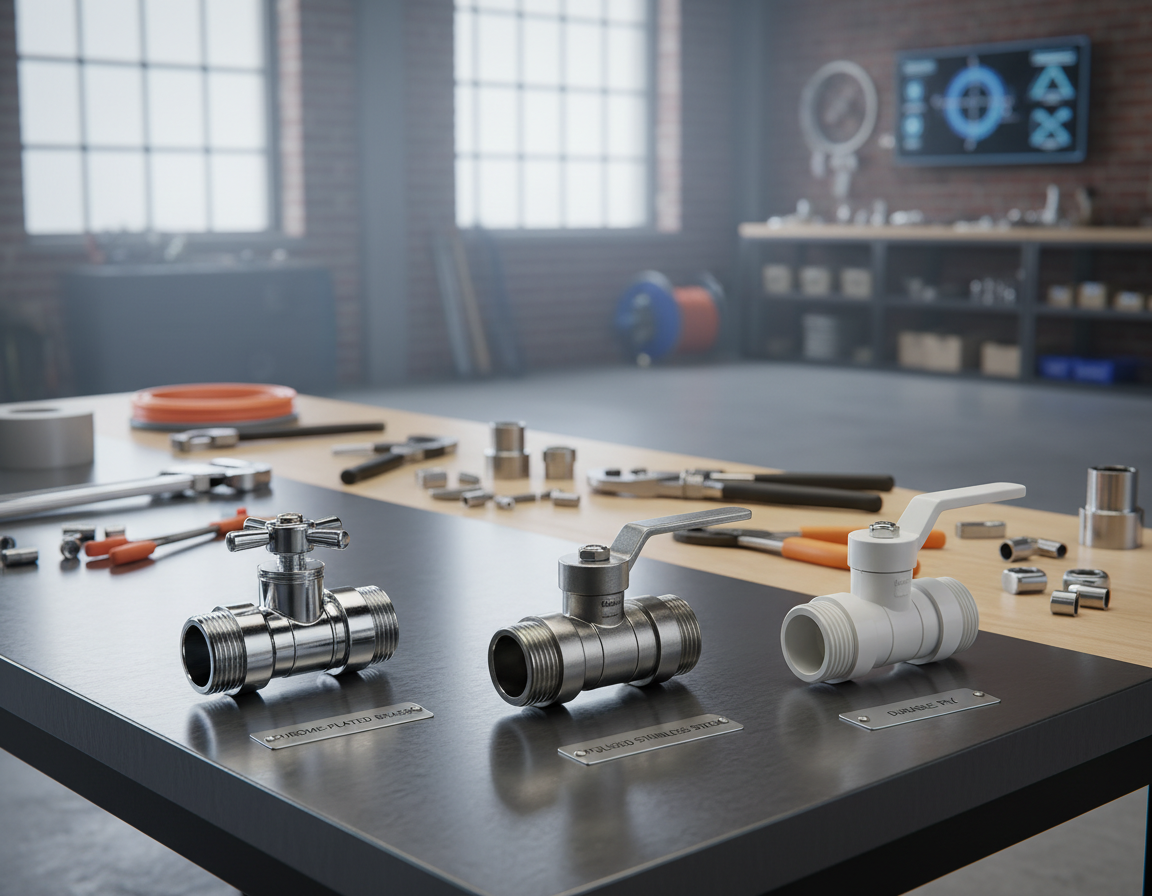
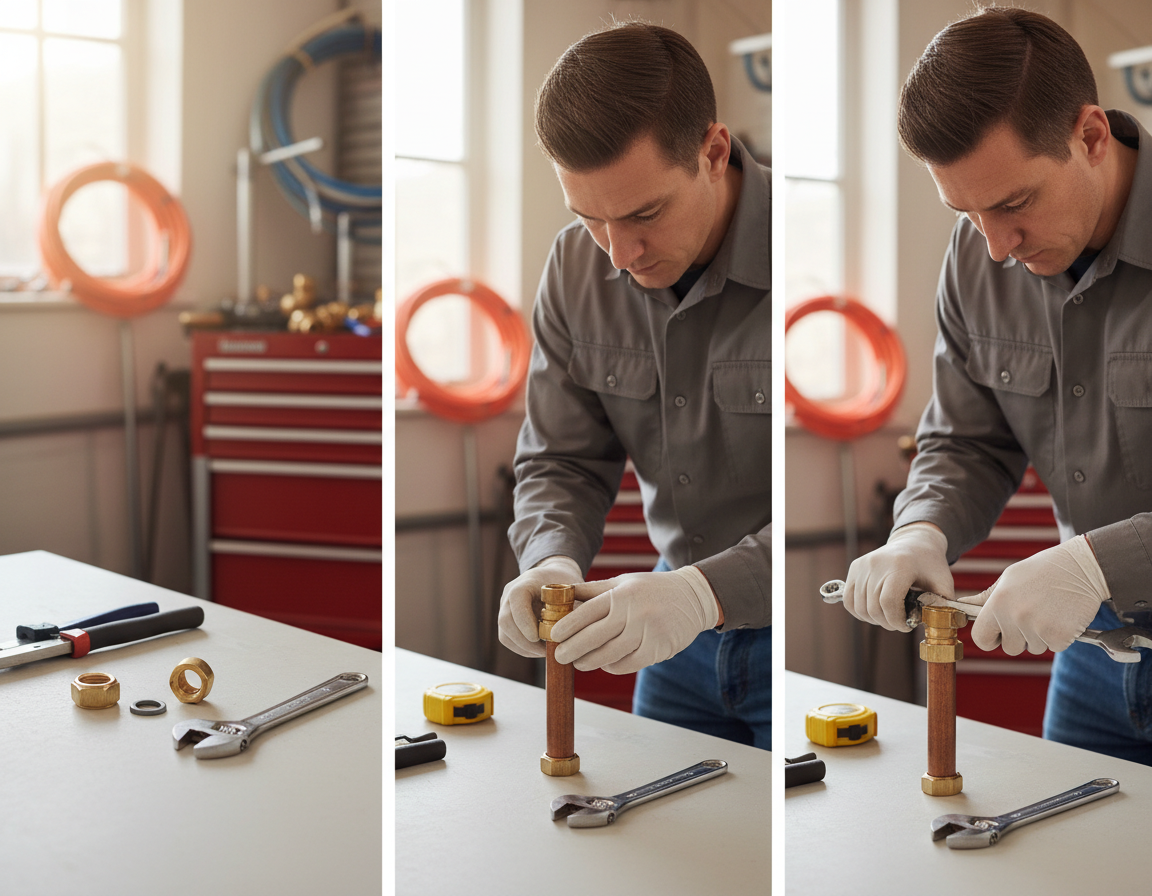
Modern angle stop valves use a quarter-turn mechanism for quick shut-off. Older models, with multi-turn stems, are more common in older homes. The valve body, stem, handle, and internal seals are essential parts. Brass is the preferred material for residential use due to its strength and corrosion resistance. Stainless steel and chrome-plated brass are options for specific needs.

Installation Parts Supply and other plumbing distributors offer a large range. This allows homeowners and contractors to find valves that meet their material and connection requirements. The benefits of angle stop valves include reduced downtime during repairs, lower risk of water damage, and affordable local control of plumbing fixtures.

Important Takeaways

  • Angle stop valves allow you to shut off one fixture without turning off the main water supply.
  • The L-shaped body makes them ideal for space-saving installations under sinks and behind toilets.
  • Quarter-turn valves provide quick shut-off, whereas older houses commonly use multi-turn stem designs.
  • Brass is preferred for residential applications; stainless steel and chrome-plated brass are alternatives.
  • Installation Parts Supply carries a broad range for contractors and DIYers.

What Are Angle Stop Valves

Angle stop valves manage water flow to fixtures needing a 90-degree turn. They are important for homeowners and professionals. This concise guide answers common questions about angle stop valves, explaining them in simple terms.

Located near sinks, toilets, and ice makers, these valves enable quick shut-off for maintenance. They are known for their compact size, clear indication of open or closed status, and the option for quarter-turn or multi-turn operation.

Main Components And Materials

Valve bodies are made from different materials, including brass, stainless steel, and chrome-plated brass. Brass is common due to its precision machining, high tensile strength, and corrosion resistance. It meets potable water standards, making it a favorite among brands like Moen and Delta.

Stainless steel is preferred in areas where corrosion and hygiene are critical, such as coastal homes and food-service establishments. Chrome-plated brass offers a shiny appearance while maintaining a robust brass core for durability and leak prevention.

The internal components include a valve stem, handles or knobs, and seals and gaskets for watertight connections. Common seals include rubber or synthetic O-rings, ferrules in compression fittings, and washers in multi-turn designs.

Angle Stop Valve For Sink

How Angle Stop Valves Operate

Operation varies based on the mechanism. Quarter-turn valves, using a ball or cartridge, open or close with a 90-degree turn. They provide fast shut-off and clear status indication. Multi-turn valves, on the other hand, require several rotations to seat the seal, relying on a rising stem and washer.

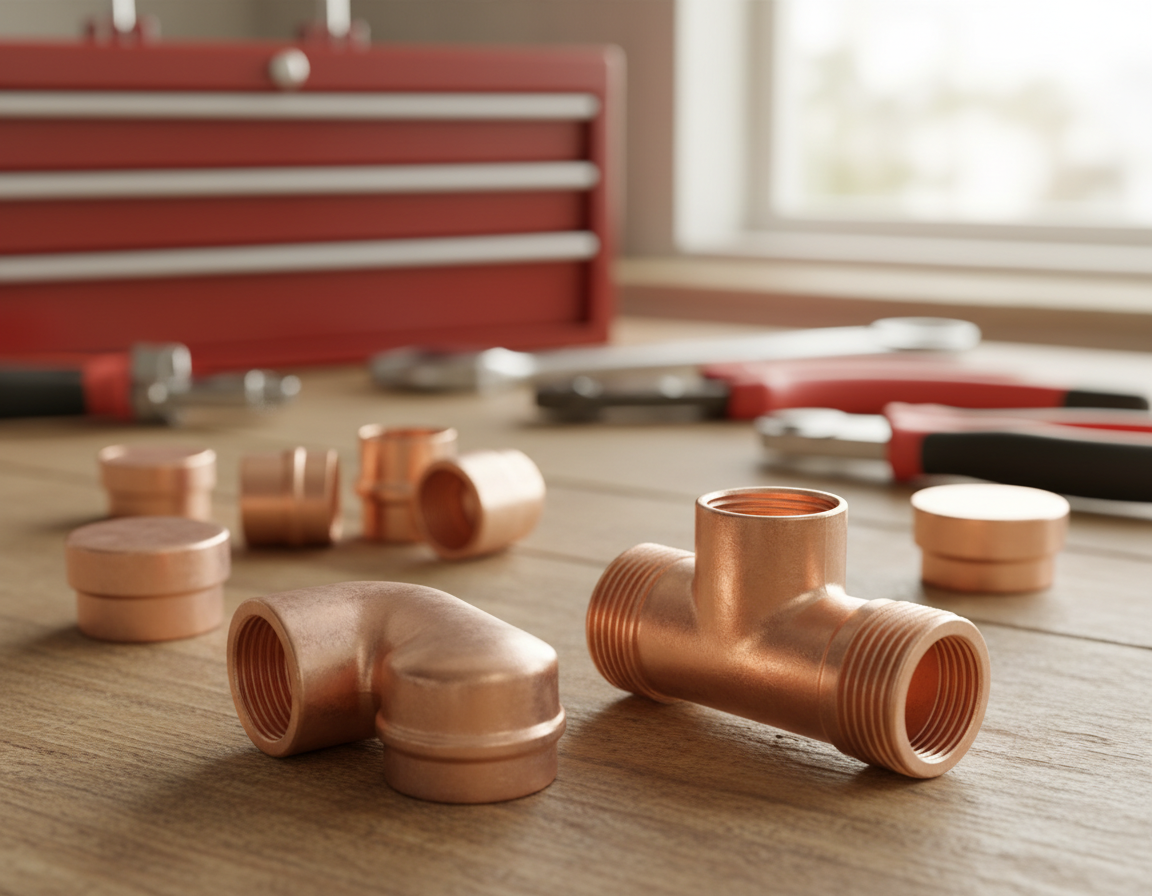
Connection types include compression, threaded, push-fit, and sweat/soldered. Compression fittings use a ferrule and nut for easy installation. Push-fit models snap on without tools. Threaded valves require pipe thread sealant, while sweat fittings need soldering for a permanent copper connection.

Sealing occurs through washers, O-rings, or ferrules pressing against valve seats. Common failure points include worn washers, brittle O-rings, and ferrule deformation over time. Regular use and occasional stem lubrication can help extend the valve’s lifespan.

Angle Stop Valve Types And Key Features

Understanding the right valve for your needs begins with material types and their applications. This guide explores materials, connection methods, and design differences. It helps you choose the best valve for your home, marine, medical, or commercial setting.

Material-Based Valve Options And Benefits

Brass angle valves are common in homes due to their ability to resist corrosion and their cost-effectiveness. Many modern brass valves are lead-free, complying with U.S. drinking water standards.

For coastal, medical, and food-service environments, stainless steel angle valves are ideal. They offer enhanced corrosion resistance along with hygienic performance. Grade 316 stainless steel is often used for the most demanding conditions.

Chrome-plated brass valves combine a brass body with a polished finish. This finish resists tarnish and maintains a clean appearance. Yet, it can chip under heavy impact.

Connection Method Variations

Compression valves use a nut and ferrule for a secure clamp-style connection. They require no soldering and are ideal for DIY projects. Always replace the ferrule to ensure a tight seal.

Threaded valves attach via pipe threads and need sealant for a leak-free connection. They are common in both residential and commercial settings.

Push-fit valves offer a tool-free, snap-on installation. They use internal seals and gripping teeth for a quick retrofit. This makes them a popular choice for many applications.

Soldered or sweat valves create a lasting bond to copper piping. Professionals prefer them for installations where durability is key.

Design And Functional Differences

Ball-style quarter-turn stops provide rapid shut-off and clear open-or-closed indication. In contrast, multi-turn compression stops may wear faster under heavy use due to smaller internal parts.

Handle styles range from levers to decorative knobs. Color coding for hot and cold improves usability. Finishes also impact longevity and appearance.

Each model may differ in its pressure and temperature ratings. Residential valves typically handle 40–80 psi. Commercial and industrial valves have higher ratings; always check specifications before purchase.

Characteristic Brass Angle Valves Stainless Steel Angle Valves Chrome-Plated Brass Valve
Ideal for Homes, bathrooms, and kitchens Marine, healthcare, and food-service environments Visible fixtures where looks matter
Resistance to corrosion Good Outstanding (often 316 grade) Good, depends on plating quality
Installation types Compression, threaded, sweat Threaded, compression, welded
Average cost Moderate Premium Moderate to premium
Common benefits Strong durability, affordability, and angle stop valve benefits for homes Long life, hygiene, and superior corrosion resistance Decorative finish and good durability with proper care

When selecting angle stop valves, consider material, connection method, and design features. Matching these to your environment and needs ensures long-term value and reliable service.

How To Install And Troubleshoot Angle Stop Valves

Before beginning, make sure the work area is ready and that all required tools and parts are available. Turn off the main water supply and open a faucet below to drain any remaining water. Measure the supply pipe accurately; common sizes include 1/2″ and 3/8″. Take the old valve to the store to find a match.

Examine the supply line for signs of corrosion or damage. Replace any damaged sections before installation. You’ll need a tubing cutter, two adjustable wrenches, a deburring tool, and non-petroleum pipe joint compound safe for drinking water. Also, have replacement ferrules and nuts ready if needed.

Here’s how to install a compression valve correctly. Cut the pipe squarely with a tubing cutter. Deburr the end to ensure a clean fit and prevent damage.

Slide the compression nut onto the pipe, then the brass ferrule. Insert the pipe fully into the valve until it stops. Hand-tighten the nut. Use two wrenches to tighten the nut further, but avoid over-tightening.

Hook up the fixture supply line as instructed by the manufacturer. Apply a thin layer of non-petroleum pipe joint compound to the ferrule for better sealing during installation.

Check the connection by slowly restoring water pressure and watching for leaks. Minor leaks may resolve as the ferrule seats. If leaks continue, tighten another quarter-turn. If leaks persist, inspect the ferrule, nut, and valve for damage.

Common installation issues usually call for specific repairs. Leaks often indicate a damaged ferrule, cracked nut, or faulty valve body. Replace the damaged part. Stiff or stuck handles usually result from mineral buildup; clean and apply a non-toxic lubricant. Seized valves or corroded bodies require full replacement.

Avoid common mistakes: never reuse old ferrules, avoid over-tightening, and ensure proper valve orientation. Mixing incompatible metals can cause corrosion; use dielectric unions for dissimilar metals.

Contact a professional if the supply pipe is badly corroded, if soldered joints are required, or if leaks continue after troubleshooting. Proper maintenance and troubleshooting ensure reliable fixtures and extend plumbing system lifespan.

Importance And Maintenance Of Angle Stop Valves

Both routine adjustments and major repairs rely heavily on angle stop valves. They allow for the isolation of water supply at a single fixture, facilitating work on various appliances without disrupting the entire household. Their L-shaped design not only saves space but also minimizes the need for additional fittings, reducing the risk of leaks and material expenses.

These valves are essential for isolated shut-offs during repairs and for emergency shut-off situations. Their quarter-turn operation ensures a swift response and provides a clear indication of their status. This compact design fits seamlessly under sinks and behind toilets, streamlining repair processes and reducing the need for extensive work.

Benefits for homeowners and professionals

The advantages of angle stop valves are numerous, including cost savings, easier access to parts, and reduced downtime. They are available in materials such as brass and chrome-plated brass, suitable for most municipal systems. For coastal properties and medical facilities, stainless steel is the preferred choice. Suppliers like Installation Parts Supply ensure a steady supply of these valves for both emergency and planned maintenance.

Maintenance checklist and schedule

  • Quarterly inspections: check for visible leaks, corrosion, and water stains beneath fixtures.
  • Annual exercise: turn valves fully open and closed to prevent sticking and maintain smooth movement.
  • Periodic checks: inspect seals, gaskets, and compression nut tightness; replace worn washers or O-rings as needed.
  • Cleaning and lubrication: clean off mineral deposits in hard-water areas and apply safe, non-toxic lubricant to stiff stems.
  • Winterizing: empty exposed lines in colder climates to help prevent freeze damage.
  • Consider smart options: sensor-driven shut-off and automatic leak detection reduce damage and speed response in high-risk installations.

When to replace angle stop valves

Any valve with visible leaks, stiff handles, major corrosion, or brittle seals should be replaced. Older compression valves often fail internally after about 8–10 years of inactivity. Proactive replacement after this period is advisable. Opt for higher-grade brass or stainless steel for longevity, water quality, or environmental concerns.

Routine maintenance helps extend the life of angle stop valves and keeps them performing properly. Understanding the common features of these valves helps in selecting the right one for each task, preventing unexpected failures.

Conclusion

Compact in size, angle stop valves allow fast fixture isolation and help limit water damage. Understanding their function is essential for both homeowners and professionals. It saves time during repairs and routine maintenance. The design choices, such as material, connection style, and seat type, significantly affect their performance and longevity.

Choosing the right valve for your environment is critical. Brass is suitable for most residential needs, while stainless steel is better for areas prone to corrosion. For simple projects, compression or push-fit connections expedite installation. Following torque guidelines and avoiding reused ferrules prevents leaks. These steps are directly related to common uses of angle stop valves in sinks, toilets, and service lines.

Ongoing maintenance is important. Regularly inspect valves annually, exercise the handles, and address any leaks immediately. Replace older compression valves after 8–10 years to prevent sudden failure and water damage. For a wide range of valves, nuts, ferrules, and replacement parts, consult established plumbing distributors. They cater to both professionals and DIYers.

In short, understanding what angle stop valves are, how they are used, and how they should be maintained results in fewer emergency repairs and longer service life. Simple choices and regular care ensure dependable shutoff control, protecting your property from avoidable water damage.

How to Identify a Faulty 1/2 Male To 3/8 Female Adapter

Imagine if a single small fitting could deliver both protection and long-term durability in your plumbing system? This issue is key to choosing the right components for any project.

Visit website of 1/2 Female To 3/8 Male Compression Adapter
One of the essential products available from Installation Parts Supply is the Compression Outlet Lead Free Brass Max-Adapter. As a reliable source for plumbing products, we offer this item to help create secure and leak-free joints.

Made from lead-free brass, this adapter meets strict safety standards for potable water. Its robust construction is designed for long-lasting performance and resistance to corrosion.

This adaptable fitting performs well in a wide range of applications. Whether used in home plumbing or hydraulic setups, it consistently provides reliable results.

Installation Parts Supply stocks this adapter as part of a comprehensive range of plumbing supplies. We are a trusted source for contractors and DIY users looking for reliable fittings.

This introduction highlights the adapter’s role in modern plumbing. The next sections will take a closer look at its features, technical details, and recommended applications.

Introduction: Your Reliable Source For Plumbing Supplies

Whether you are a professional or a DIY enthusiast, choosing a dependable plumbing supplier is a crucial starting point. A trustworthy source helps set your project up for success right from the start.

Installation Parts Supply is a trusted wholesale source for all types of plumbing parts. We focus on supplying the fittings and parts that help plumbing systems perform efficiently.

Our focus is on providing premium, code-approved products for jobs of all sizes. Whether your job involves a home improvement or a major commercial installation, we stock the right item.

Sourcing reliable fittings is especially vital for critical systems like potable water lines. A single weak connection can compromise safety and performance.

That’s why our extensive inventory covers a vast range of tube sizes and types. This allows you to locate the precise specifications your application requires without unnecessary delays.

Working with an experienced supplier provides significant value. Installation Parts Supply combines expert technical support with competitive pricing to serve you best.

Our product lineup closely follows strict U.S. plumbing standards. This includes a focus on lead-free brass components that are safe and durable.

Our reputation has been built on being a dependable name in the plumbing supply industry. You can trust us to provide accurate information and the correct parts for your task.

Whether the work involves new installations, repairs, or routine upkeep, we stock the needed parts. We strive to be your trusted one-stop source for all plumbing projects.

This commitment to quality and service sets the stage for the products we offer. In the next section, we will take a closer look at one especially versatile fitting.

Compression Adapter

What Is A Compression Outlet Lead Free Brass Max-Adapter?

A specific type of connector bridges the gap between smooth tubing and threaded pipe ports in countless systems. This device is known as a compression outlet lead-free brass max-adapter.

It is a specialized form of compression fitting. Its main function is to connect tubing to a male threaded pipe, commonly referred to as an MIP.

Core Function And Structure

This part creates a secure and sealed transition point. It allows a smooth tube end to connect directly with a threaded port.

The process requires no soldering or flaring. That is one reason many installers prefer it.

The sealing method uses mechanical force to produce a secure joint. A nut and a sleeve, or ferrule, work together.

You slide the nut and then the sleeve onto the tube. Then, you insert the tube end into the fitting body.

Tightening the nut compresses the sleeve against the tube and into the body. This action grips the tube firmly and creates a watertight seal.

This method works on copper, polyethylene, and PEX tubing. This makes it a common option for dependable water system joints.

One major advantage is that no special tools are required. Standard wrenches are typically all that is required for installation.

An additional advantage is simple disassembly. If future service or line modification is needed, you can just loosen the nut.

Compliance And Safety

The body of this adapter is made from a lead-free brass alloy. This is a critical feature for safety, especially with drinking water.

In the U.S., regulations strictly restrict the amount of lead allowed in potable water components. This product is designed to satisfy those demanding standards.

Lead-free materials help prevent lead from entering the water supply through leaching. This offers important protection for public health and the surrounding environment.

Older brass alloys contained higher levels of lead. Today, material science provides excellent lead-free replacements.

These new alloys maintain all the desirable properties of brass. They continue to offer durability, machinability, and corrosion resistance.

They achieve this without carrying the same health risks. This marks a major step forward in plumbing safety.

Feature Traditional Brass Alloy Lead-Free Brass Alloy Primary Benefit
Lead Content More than 8% (common) ≤0.25% weighted average Reduces leaching concerns
Potable Water Use Restricted or not recommended Fully approved Suitable for potable water applications
Corrosion Resistance Moderate to good Excellent with modern additives Extended lifespan
Strength High Similarly high Reliable pressure handling

It is an ideal choice for systems that may need changes later on. Its ability to be disassembled easily makes maintenance simpler.

Overall, this adapter is a flexible, safe, and installer-friendly component. It provides a practical and code-compliant solution for difficult connections.

The Anatomy Of A Compression Fitting

Every dependable mechanical seal relies on a simple but effective interaction between parts. Knowing how these parts work together is essential for a successful installation.

A standard compression fitting includes three basic parts. Those parts are the body, the sleeve, and the nut.

The number of nuts and sleeves corresponds to the number of connection points on the body. This three-piece design is universal for this type of connection.

The Fitting Body

The body is the central component of the assembly. This stationary section provides the main connection points.

Usually made from lead-free material, it includes a tapered internal seat. That seat is the area where the seal is formed.

One side receives the smooth end of a tube. The other side generally features a threaded port to connect with another item.

Its strong construction allows it to withstand system pressure while offering a stable anchor point. Precision machining here is critical for a perfect seal.

Sleeve (Ferrule)

The sleeve or ferrule is a compact but very important ring. It is the primary sealing element in the system.

Often made from brass or a durable polymer, it slides onto the tubing first. Under compression, it changes shape in a controlled manner.

This action causes the sleeve to grip the tube’s outer surface tightly. It also seals against the tapered seat inside the body.

That dual role of gripping and sealing is central to the compression connection. A quality sleeve helps the connection endure vibration and thermal expansion cycles.

Nut

The nut is the part that is tightened during assembly. It threads onto the external threads of the fitting body.

As the nut is tightened, it travels axially along the tube. This motion pushes the sleeve forward into the body’s tapered seat.

The applied force is what creates the compression. Proper tightening is essential for achieving a leak-proof seal without damaging the parts.

This design also makes disassembly simple when required. You only need to loosen the nut to separate the joint.

Combined, these components produce a strong and reliable joint. The performance and service life of the full compression fitting depend heavily on the quality of each piece.

Our specific adapter utilizes this proven design with high-grade components. This ensures durability and a perfect seal in your plumbing projects.

Key Features Of Our Brass Max-Adapter

Efficiency on the job site is directly influenced by the clever engineering of the parts you use. This particular connector includes features intended to solve common installer problems.

The benefits are practical, ranging from quicker installs to more convenient servicing later. Below, we examine what makes this product a notable item.

Three-Piece Construction

The design relies on a simple trio of components: the nut, the sleeve, and the body. Each component plays its own important role in creating a secure connection.

This efficient approach supports reliable sealing again and again. It also makes inventory simpler because only these three core pieces need to be managed.

No Flaring Tool Needed

One major benefit is that the tube does not need to be flared. This reduces installation time and avoids the expense of flaring equipment.

This also reduces the level of specialized skill needed for installation. DIY users can often achieve professional-looking results without advanced instruction.

Simple Disassembly For Maintenance

The compression design is naturally easy to service. You can loosen the nut to take the joint apart without damaging the tube.

That allows maintenance or system changes without having to cut the line. If the sleeve is reused, replacement may still be necessary for a proper seal during reassembly.

That advantage helps minimize service interruption during modifications. It provides a level of flexibility that permanent joining methods do not offer.

Taken together, these features help projects move faster while improving future adaptability. The robust lead-free alloy body contributes to the fitting‘s longevity through many cycles.

When you need brass compression fittings that prioritize practicality, this adapter delivers. Installation Parts Supply offers these high-quality fittings for professionals who want both performance and convenience.

Technical Specifications And Sizing Guide

This detailed guide provides the exact numbers you need for a compatible and safe installation. Correctly matching your tube and thread requirements to the product is crucial.

We break down the critical data for this specific adapter. Use these details to confirm it is suitable for your system.

Size Range: Tube OD And Thread Specifications

The available size range is wide to support maximum versatility. It supports tube outside diameters from 1/8 inch through 7/8 inch.

At one end, it connects to plain tubing. The other end includes a standard Male Iron Pipe (MIP) thread.

These threaded connections conform to the National Pipe Taper (NPT) standard. This helps ensure compatibility with many common plumbing parts.

Tube Outside Diameter (OD) Corresponding Thread Size (NPT)
1/8″ 1/8″
1/4″ 1/4″
3/8″ 3/8″
1/2″ 1/2″
5/8″ 1/2″
3/4″ 3/4″
7/8″ 3/4″

We stock these adapters in popular sizes for fast delivery. Always double-check your tube OD before ordering.

Temperature Range: -40°F Up To +250°F

This fitting is rated to perform across a wide temperature range. It works dependably in temperatures from -40°F to +250°F.

This broad range covers nearly all residential and commercial environments. It is built to perform in both cold conditions and hot water service.

This rating reflects both the stability of the material and the integrity of the joint. This makes it dependable in both freezing and elevated-heat conditions.

Material: Lead-Free Brass Construction

This fitting body is produced using a certified lead-free brass alloy. This specific material composition is crucial for safety.

It complies with demanding standards such as NSF/ANSI 61-G. Those standards apply to components that contact drinking water.

Using lead-free components prevents contaminant leaching. It protects household health and meets all current U.S. plumbing codes.

The alloy also provides excellent durability and corrosion resistance. That helps the item deliver a long service life.

Overall, these specifications describe a connector that is versatile, safe, and durable. With the right size, broad temperature range, and lead-safe brass build, it supports reliable installation.

Applications: Best Uses For This Adapter

A plumbing component shows its worth through the range of tasks it can handle reliably. This fitting is built for a broad selection of applications that extend beyond standard water service.

Its robust design allows it to manage different media, including liquids, gases, and fuels. That makes it a practical item for residential, commercial, and industrial use.

Its usefulness is evident in everything from household drinking water systems to factory machinery. Let’s review the main systems in which this adapter performs especially well.

Potable Water Systems

Supplying safe drinking water is a major priority in any plumbing system. For this critical application, the adapter is a strong choice.

Its lead-free construction meets all health standards for potable water. This makes it suitable for installation on hot and cold drinking water lines alike.

This fitting works dependably across its wide temperature range. It is commonly used in homes, apartment buildings, and restaurants.

Whether joining copper or other approved tubing, it supports a secure seal without contamination. This application highlights its role in protecting public health.

Use In Gasoline, Oil, And Vacuum Lines

This adapter can be used in more than just water-related systems. It also performs well with hydrocarbons such as fuels and lubricants.

The durable material resists degradation from gasoline and oil. That makes it suitable for automotive fuel lines and machinery lubrication systems.

This fitting can also provide a dependable seal in vacuum systems. Such performance is valuable in laboratory equipment and some HVAC applications.

Its mechanical grip helps maintain connection integrity across changing pressures. This level of dependability is critical for safe and effective operation in such applications.

Hydraulic And Pneumatic Applications

This connector is also used in industrial and mechanical applications. It is often employed in low-pressure hydraulic and pneumatic systems.

Hydraulic systems rely on fluid to transfer power through machinery. Pneumatic systems achieve similar results through compressed air.

This type of fitting is ideal for connecting tubing in these control and power networks. Common examples include manufacturing equipment and instrumentation panels.

Its ability to form a tight seal prevents leaks that would reduce system efficiency. For each of these applications, selecting the correct tube material is the next vital step.

Compatibility With Copper, Aluminum, And Plastic Tubing

This adaptable connector is intended for use with multiple common tubing materials. Each type requires its own sealing considerations.

Proper installation guidelines must always be followed for your chosen tube material. This is necessary to make sure the joint functions correctly when pressurized.

Copper Tubing (K, L, M, And ACR Types)

All standard forms of copper pipe are compatible with these fittings. This includes types K, L, M, and ACR (Air Conditioning and Refrigeration).

The rigid nature of copper makes it an ideal partner for this connection type. That allows the metal sleeve to hold the exterior of the pipe firmly.

These applications work best in low-pressure systems that do not experience significant vibration. For best results, the pipe end should always be cut square and deburred before assembly.

Aluminum Tube Applications

Aluminum tubing can be used, but it is less frequently seen in standard plumbing work. Because aluminum is softer, extra care is needed during installation.

It is essential to choose the proper sleeve material intended for aluminum use. Overtightening can easily damage the softer tube wall.

Plastic Tubing (With Sleeves And Inserts)

Joining plastic tubing such as PEX or polyethylene calls for special components. A regular metal sleeve should not be used in this case.

A brass sleeve can bite into the soft plastic wall, causing leaks and eventual failure. You must use a Delrin or similar plastic sleeve, often called a 60P sleeve.

More importantly, a stiffening insert is mandatory. This insert, like a 61P model, slides inside the tube end.

This insert strengthens the tube from the inside and helps stop collapse during tightening. The sleeve can then grip the reinforced tube properly.

For larger sizes of plastic tubing (1/2″ OD and above), other connection methods are often recommended. On bigger lines, push-fit or crimp fittings may deliver more reliable performance.

Use the following practical guidance to achieve a successful installation each time:

  • Always pair the sleeve material to your tube material. Choose metal sleeves for metal tubing and plastic sleeves for plastic lines.
  • Always install a stiffening insert with any non-rigid plastic tube. This step is mandatory for a durable seal.
  • Verify the adapter size against your tube‘s outside diameter before assembly.

You can get the adapter, matching Delrin sleeves, and the needed stiffening inserts from Installation Parts Supply. We supply all related parts so your project can be completed through one reliable source.

Installation Instructions

Proper installation is the final, critical step that ensures your plumbing fittings perform as designed. A clear installation process helps ensure a dependable and leak-resistant joint.

These instructions apply to connections with copper, aluminum, or properly prepared plastic lines. Below is a complete walkthrough of the installation process.

Cutting And Preparing The Tubing

Start by making a clean, accurate cut on the tube. For best results, use a sharp tube cutter.

Turn the cutter around the pipe to score it evenly. With each rotation, tighten the tool slightly until the tube is cut through.

That process produces a clean, square end. An uneven cut can keep the sleeve from sealing properly.

Next, clear away any internal burrs created during cutting. This can be done using a reaming tool or a round file.

A smooth inside surface helps avoid flow restriction. It also helps the stiffening insert seat properly inside plastic tubing.

Wipe the pipe’s exterior clean. This removes dirt or debris that could interfere with the seal.

Putting Together The Nut, Sleeve, And Body

Collect the three parts needed: the nut, the sleeve (ferrule), and the fitting body. Make sure the tapered end of the sleeve points toward the body.

First, slide the compression nut onto the pipe. After that, slide the sleeve onto the pipe behind the nut.

Next, insert the pipe end into the fitting body. Push it in until it bottoms out against the internal stop.

A noticeable resistance should be felt when it is fully seated. Complete insertion is essential for the compression seal to form correctly.

When connecting to a male iron pipe (mip) thread, verify that the adapter body is properly seated before continuing.

Torque And Tightening Tips

Start threading the nut onto the fitting body by hand. Rotate it clockwise until it feels snug.

Check that the threads are threading smoothly. Avoid cross-threading, which can damage the connection.

Once hand-tightening is done, move on to the final tightening step. Use pliers or an adjustable wrench for the final tightening.

Use a second wrench to hold the fitting body steady. This prevents it from twisting and stressing other connections.

Use the wrench to tighten the nut. Usually, a half-turn (1/2) is enough for most installations.

Sometimes another quarter-turn (0.25) is needed. The overall wrench movement should generally stay under three-quarters of a turn.

The seal depends on compression, not excessive force. Overtightening may damage the sleeve or tube and can create leak problems.

These compression fitting threads do not require thread sealant like Teflon tape. A single drop of light oil on the nut threads can ease assembly.

Step Action Key Tip
1. Preparation Cut tube square, ream interior, clean exterior. For the cleanest cut, use a tube cutter.
2. Component Order Install the nut followed by the sleeve on the tube. Make sure the sleeve taper faces the fitting body.
3. Insertion Push the tube fully into the body until it stops. Ensure full contact with internal seat.
4. Hand Tighten Hand-thread the nut until snug. Make sure the threads engage smoothly.
5. Wrench Tighten Apply wrench for final torque. Typically 1/2 to 3/4 turn maximum.
6. Verification Inspect the joint and perform a leak check. Do not over-tighten; the seal comes from compression.

These steps help produce a professional-level installation. This method reduces callbacks and ensures long-term system integrity.

It is important to remember that the right method is just as critical as the right component. Installation Parts Supply offers both dependable components and the knowledge needed for success.

Understanding OD Vs. CTS Sizes

Two sizing standards exist for copper tubing, and knowing which one to use is crucial. That difference is a frequent cause of mistakes in plumbing projects.

Using the wrong standard leads to mismatched parts and leaky connections. The following explanation helps make those key terms clear so the right fitting can be selected.

OD (Outside Diameter)

The Outside Diameter is the actual physical measurement across the tube. It can be measured with a caliper or even a ruler.

This dimension is always used to specify compression fitting sizes. The adapter has to match the pipe’s precise OD to seal correctly.

OD can be thought of as the actual, real-world size of your tube. It is the only number that matters when buying these connectors.

CTS (Copper Tubing Size) Explained

Copper Tubing Size is a traditional nominal measurement system. It is often referred to as the “nominal” size.

For standard copper water pipe, the CTS is always about 1/8 inch smaller than the actual OD. This is simply an industry naming convention rather than a direct physical measurement.

As an example, a pipe identified as “1/2-inch CTS” measures 5/8 inch in outside diameter. This distinction is vital for part selection.

Tube Outside Diameter (OD) Copper Tubing Size (CTS) Common Application Note
3/8″ 1/4″ Small supply lines
1/2″ 3/8″ Often used for valves
5/8″ 1/2″ Standard water line
3/4″ 5/8″ Bigger supply runs
7/8″ 3/4″ Main lines and some appliances

Common Plumbing Size References

When you purchase a brass adapter, the size marked refers to the tube OD it accepts. It does not refer to the CTS.

For instance, a standard 1/2″ nominal copper water line has a 5/8″ OD. That means you need a connector sized for 5/8″ OD rather than 1/2″.

Our product line is labeled according to tube OD. This removes guesswork and ensures compatibility.

Always identify your tube type and measure its outside diameter. That simple step helps avoid installation mistakes.

Connecting to a male iron pipe thread (MIP) requires the correct adapter. The tube end must fit snugly into the compression body.

Correct OD matching allows the sleeve to hold the tubing as intended. A proper grip creates the watertight seal you need.

This information is important if you want a reliable, leak-free result. Always check sizes before completing the final connection.

Advantages Of Lead-Free Brass For Potable Water

If a fitting is used with drinking water, what it is made of is just as important as how well it performs. Modern plumbing codes reflect this priority, mandating safer materials for health protection.

There are good reasons why certified lead-free alloy components are now the standard. This approach offers a powerful combination of safety, durability, and regulatory compliance.

The advantages extend from the tap in your home to the broader environment. Choosing the right material is a responsible decision with long-term positive effects.

Health And Environmental Protection

Older brass alloys included some lead to make machining easier. Over time, this lead could leach into the water flowing through the system.

Even low-level exposure poses serious health risks, especially for children. It may interfere with neurological development and lead to other long-term problems.

Choosing lead-free brass helps eliminate the contamination problem from the start. The water remains pure and safe for drinking and cooking.

This decision also helps the environment. It helps reduce lead contamination in wastewater and surrounding ecosystems.

Safer manufacturing and recycling are further advantages. The entire product lifecycle becomes more sustainable.

Meeting U.S. Plumbing Standards

In the U.S., strict laws regulate the materials used in drinking water systems. These regulations are built on the framework of the Safe Drinking Water Act.

Certifications such as NSF/ANSI 61, Section 9 are especially important. They verify that a product’s lead content is within the legal safe threshold.

All brass compression fittings supplied by Installation Parts Supply meet these rigorous standards. They are suitable for potable water applications with confidence.

This level of compliance is mandatory in professional installations. It is necessary for protecting public health and meeting inspection requirements.

We provide products with the proper certifications so customers can feel confident. Every component we offer is selected to meet code requirements.

Corrosion Resistance And Durability

In addition to safety, this modern alloy provides excellent physical properties. It provides excellent resistance to corrosion and scaling.

That means the fittings can remain intact for years, even under harsh water conditions. As a result, you get a reliable and durable connection.

The material handles a wide range of pressures and temperatures effectively. It is less likely to break down or become brittle with age.

Compared with other common materials, its strengths stand out. The table below outlines some of the key differences.

Material Key Advantage Typical Use Case Consideration for Potable Water
Lead-Free Brass Excellent strength and temperature tolerance Hot and cold water lines, hydraulic connections Fully approved and safe; ideal choice.
Plastic (e.g., PVC) Lower cost and chemical resistance Drain systems and irrigation Not for hot water; can impart taste.
Carbon Steel High pressure capability Industrial gas applications Susceptible to rust and not suitable for water.

While the initial cost may be slightly higher than plastic, the value is undeniable. The long service life, safety, and reliability help make it a worthwhile investment.

Using certified free brass components helps future-proof a plumbing project. It safeguards health today and ensures performance for years to come.

We are committed to offering these safe, high-quality, code-compliant solutions. We help you build systems that are both strong and safe.

Why Installation Parts Supply Is Your Best Choice

In plumbing installations, the place you buy your fittings can matter just as much as the fittings themselves. The supplier behind the product determines its reliability, availability, and the support you receive.

Installation Parts Supply has earned its place as a premier wholesale distributor for good reason. Our reputation is built on quality, value, and excellent service for every customer.

Our role goes beyond simply selling parts. We partner with you to ensure your project’s success from start to finish.

Quality Control And Product Sourcing

Each item in our inventory is carefully verified. We source exclusively from reputable manufacturers known for their high standards.

This means each compression fitting and adapter meets or exceeds industry specifications. You get components designed for long-term durability and code compliance.

Our lead-free brass items, for instance, are backed by official ratings including NSF/ANSI 61-G. This confirms that they are suitable for potable water use.

We also provide all necessary complementary parts. That includes the right sleeve for your tube type as well as stiffening inserts for plastic tubing.

Competitive Pricing And Availability

At Installation Parts Supply, we believe value matters. Our pricing structure provides excellent quality without a premium cost.

We maintain an extensive in-stock selection of the most popular sizes and types. This includes a full range of connectors for copper, plastic, and other tubing.

From a common 1/2″ mip adapter to a more specialized item, we are likely to have it available for shipment. This reduces project delays and keeps your work on schedule.

Our logistics network ensures prompt delivery to job sites across the country. This helps make sure the right parts arrive at the right time.

Expert Guidance And Service

Technical questions are handled by knowledgeable members of our team. We understand the nuances of compression connections and thread standards.

Our team can help you select the right product for your specific application. Our team can also offer installation guidance to reduce the risk of leaks.

Our support includes everything from proper nut torque to selecting between mip and other thread styles. We help make sure you have the knowledge needed for a successful end result.

At Installation Parts Supply, customer service is one of our core priorities. Our team can assist with ordering, tracking, and any questions after the purchase.

Supplier Attribute Typical Hardware Store Online Marketplaces Installation Parts Supply
Quality Assurance Varies; mixed brands Unverified; risk of counterfeits Rigorous; sourced from trusted makers
Price Competitiveness Higher retail markup Low price, but hidden costs Wholesale value with fair, consistent pricing
Product Availability Limited common sizes Potentially long shipping times Large in-stock inventory
Technical Expertise Basic general knowledge Little to no technical expertise Specialized plumbing and fitting support
Code Compliance Not always guaranteed Often unclear Documented, certified, and clear

As shown, we provide a balanced, professional-grade solution. Every purchase includes the benefit of reliable product ratings and performance information.

Installation Parts Supply is your one-stop shop for all compression fittings needs. From the adapter to sleeves, inserts, and tools, we carry everything you need.

Choose us for your next project. Experience the difference that a dedicated, customer-centric supplier makes.

Conclusion: Dependable Plumbing Solutions

The final objective for both professionals and DIY users is a leak-free plumbing system. The right adapter ensures safety and durability for water, gas, or air lines.

The lead-free construction of this product makes it suitable for potable water safety. Its robust design handles various fluids and simplifies installation.

Be sure to match the tube’s OD and use the correct installation methods. A proper fit helps prevent leaks at every connection end. Make sure the tube end is prepared correctly.

This is true for plastic tubing as well as other materials. Always use the proper sleeve with plastic lines.

When working with male iron pipe (mip) threads, make sure the seal is secure. Make sure the mip connection is firmly secured. The compression mechanism creates a reliable joint.

You can get this essential item and all needed components from Installation Parts Supply. Review our complete range before starting your next project.

Investing in high-quality components helps support long system life and greater peace of mind. It is a wise decision for any properly executed job.

The Common Mistakes When Bending 5 8 Copper Pipe

About 65% of U.S. homes constructed before 1980 use copper in part of their water supply system. This highlights the enduring importance of copper pipe fittings in plumbing systems. This guide explains the key copper fittings commonly found in plumbing. They connect, redirect, and regulate water, gas, and refrigerant flows. Common examples include elbows, tees, couplings, adapters, unions, caps, plugs, compression fittings, flare fittings, and push-to-connect copper pipe connectors.

Learn more about 5 8 Copper Line
Copper remains a favorite among contractors and DIYers thanks to its durability, heat resistance, and water-quality benefits. When properly installed, copper fittings can remain in service for decades. As a result, they are often a cost-effective solution for many jobs.

In this article, we’ll discuss how to identify fittings by function and size. We will also compare soldered connections with mechanical ones. You will learn how to source compatible parts through trusted suppliers like Installation Parts Supply. Our goal is to provide clear guidance for choosing the right plumbing fittings for your next job.

Copper Pipe Fittings: Overview And Reasons To Choose Copper

Copper pipe fittings are a preferred choice for both residential and commercial plumbing. Because they combine strength, workability, and long-term reliability, they are ideal for many systems. This overview highlights the main reasons plumbers and contractors opt for copper in new constructions and repairs.

The Benefits of Copper

Copper is valued for its durability and malleability, which allows fittings such as elbows and tees to be formed easily without cracking. Its ability to withstand high temperatures makes it perfect for hot water supply and boiler loops. It also has bacteriostatic properties, which can make potable water systems safer than some plastic alternatives. Copper can be joined by soldering, press systems, compression fittings, or push-fit methods, which adds flexibility to a project.

Longevity And Corrosion Resistance

When installed properly, copper tubing can last 70 to 80 years. Its surface oxidation forms a protective patina, limiting deeper corrosion and supporting its longevity and corrosion resistance. High-quality material, proper fluxing, and clean joints are essential for preventing pinhole leaks and early failure. Its service life can be extended even more through regular inspection and the use of properly matched fittings in supply lines and HVAC loops.

Applications Where Copper Outperforms Other Materials

Copper surpasses many alternatives in hot-water systems, refrigeration lines, and high-pressure applications. In HVAC and refrigeration work, pipe 5 8 and copper tube 5/8 sizes are commonly used in refrigerant circuits because they perform reliably under heat and pressure. Compared to PVC or PEX, copper fittings can handle higher temperatures and maintain rigidity under stress. Copper is also less prone to impact damage than multilayer or composite pipes, and it has a proven record in older systems.

Attribute Why Copper Excels Typical Use
Strength and Durability High tensile strength and wear resistance Hot-water supply, boiler loops
Heat tolerance Withstands high temperatures without softening Water heaters, HVAC lines
Corrosion performance Forms protective patina that slows degradation Long supply runs in homes
Joining options Soldering, brazing, compression, push-fit, press New installations and retrofit repairs
Typical sizes Includes pipe 5 8 and copper tube 5/8 used in refrigeration Refrigerant circuits and tight commercial runs

5/8 Copper Refrigeration Tubing

Common Types Of Copper Pipe Fittings For Supply Lines

Choosing the right copper fittings is key to a successful project. This section covers the essential fittings used on water supply lines, including fittings for changes in direction and service access. When planning, remember to consider pipe size, connection style, and material compatibility.

Elbows, Tees, And Crosses: Direction Changes And Branching

Elbows guide flow around corners and are available in 90°, 45°, and 22.5° configurations. They are especially useful when you need to route around obstacles or follow wall paths. Tees split or combine flow for three-way connections, common in kitchens and bathrooms. Crosses provide four-way connections and are useful where multiple lines intersect.

You can find these fittings in multiple connection styles, such as sweat/soldered, press, and compression. Select the connection method that works best with your copper pipe connectors and the installer’s skill set.

Couplings, Adapters, And Unions For Joining And Maintenance

Copper couplings join two lengths of pipe of the same diameter. Reducing couplings handle different sizes. Adapters convert between materials and thread types, such as copper-to-brass or copper-to-PEX.

For repairs and equipment service, unions allow sections to be disconnected quickly. They are ideal in places where a valve or fixture must be removed periodically. Make sure unions and adapters match the pipe OD or nominal size to avoid leaks.

Caps, Plugs, And Clean-Outs For Access And Sealing

Caps close off the end of a line, while plugs screw into fittings to seal branch openings. Both are used for pressure testing and temporary terminations. For maintenance and clearing blockages, clean-outs offer service access to drain lines.

You should choose caps, plugs, and clean-outs that are compatible with the system material and pressure. Confirm the fitting size reference—nominal, OD, or ID—is correct, as this is critical for 5 8 copper fittings and others.

When planning a project, ensure copper pipe connectors, couplings, adapters, and unions are compatible with the pipe type. Doing this helps avoid fitment issues and simplifies future maintenance.

Copper Compression And Push-To-Connect Connections

Compression and push-to-connect fittings simplify copper plumbing and make many jobs faster and safer. They are ideal when using a soldering torch is impractical or when a quick repair is needed. Below, we’ll explore how each system functions, their appropriate applications, and essential installation tips for 5/8 copper tube projects.

How A Compression Fitting Forms A Seal

Compression fittings form a seal by using a nut and a ferrule. When the nut is tightened, the ferrule compresses around the tube and bites into the copper. The result is a leak-resistant connection that does not require heat. These fittings are often used on supply lines and in repair work where a torch is impractical.

They are effective on a range of sizes, including 5 8 copper pipe fittings. When installed correctly, they allow for disassembly, making them ideal for accessible valves and meter connections.

Fast Installations With Push-To-Connect Fittings

Push-to-connect copper fittings, also known as quick-connect fittings, allow you to push a deburred tube into the body until it clicks. No solder, crimping, or special tools are required. This ease of use makes them popular among both DIYers and professionals working in confined areas.

These fittings are available for common sizes such as 5/8 copper tube. Many manufacturers publish pressure and temperature ratings for them. It’s essential to match the fitting to the tubing type and follow the manufacturer’s depth guidelines for reliable performance.

Why These Fittings Beat Solder In Some Jobs

Compression and push-fit copper fittings remove the need for a torch, open flame, and flux. This lowers fire risk in occupied buildings and speeds up retrofit work. They save time on emergency repairs and in situations with limited clearance.

It is important to remember that mechanical fittings may cost more per unit and can have lower temperature limits than soldered joints. Always check ratings before using quick-connect fittings on hot-water or high-pressure lines. Used correctly, these fittings can be a safe, flexible alternative to soldering in many plumbing jobs.

Sweat And Soldered Copper Fittings

Sweat connections use flux and filler metal to create a strong bond between the pipe and fitting. Brazing, on the other hand, employs higher heat and a different filler that melts above 840°F. It is commonly used for HVAC and refrigeration joints. When done correctly, both methods create durable, long-lasting joints.

Overview of techniques

Sweat copper fittings use solder to fill the gap between copper tube and fitting. Brazing copper pipe uses a hotter flame and brazing rod and is ideal for joints exposed to higher pressure and temperature. The choice between these methods depends on the system’s requirements and local regulations.

Tools And Safety Gear

Key tools include a tube cutter, deburring tool, emery cloth or wire brush, flux, solder or brazing rod, and a torch. Propane is used for soldering, while MAPP or acetylene is better for brazing. Always wear safety shoes, an apron, heat-resistant gloves, a respirator or face mask, and protective goggles.

Soldering Tips Step by Step

  • Cut the copper tube 5/8 section square and deburr the edge so it fits smoothly.
  • Clean both pipe and fitting with emery cloth or a wire brush until bright copper appears.
  • Apply flux to the cleaned surfaces, assemble the joint, and twist slightly to distribute flux evenly.
  • Heat the fitting evenly with a surrounding flame. When brazing copper pipe, watch for a slight red tint as the temperature rises.
  • Feed solder or brazing rod at the joint; allow capillary action to draw filler around the seam.
  • Allow the joint to cool naturally, and then clean away soot and flux residue with a suitable cleaner.

When Soldered Fittings Are The Right Choice

Choose copper solder fittings when you need a permanent, dependable joint in potable-water systems and moderate-temperature applications. For HVAC or refrigeration systems needing higher temperature resistance, brazing is usually the better choice. Ensure that work on 5/8 copper tubing or copper tube 5/8 sized lines follows manufacturer and code requirements for pressure compatibility.

Important Practical Considerations

A skilled technique is required to prevent cold joints and porosity. Inspect each joint for full solder coverage and test systems under pressure before insulation or concealment. Sweat copper fittings remain a standard choice for many plumbing jobs, while brazing copper pipe is ideal in demanding HVAC and refrigeration applications where durability matters most.

Specialty Copper Fittings Used In Refrigeration And HVAC

HVAC and refrigeration systems require precise fittings and tubing to move refrigerant safely. Technicians choose materials and connection types based on pressure, service access, and code requirements. A good understanding of common fitting styles and sizes helps avoid leaks and maintenance headaches.

5/8 copper pipe is often used for liquid and suction lines in light commercial and residential systems. It’s important to confirm whether the spec refers to outside diameter (OD) or nominal size before ordering parts.

5 8 copper tube must be paired with fittings sized for that outside diameter. Mismatched parts may create unsafe joints and poor seals. Manufacturer compatibility charts should be used when selecting copper pipe fittings refrigeration parts.

5/8 Copper Pipe And 5/8 Refrigeration Tubing Applications

For refrigerant lines, precise bends and consistent wall thickness are essential. For liquid lines and smaller suction runs, 5 8 copper refrigeration tubing is commonly suitable. The 5/8 OD copper tubing size is commonly used for designing service valves, filter driers, and meters.

Flare, Bite-Type, And Brazed Fittings Used On High-Pressure Refrigerant Lines

A flare fitting seals by compressing the flared end of a tube under a flare nut. Technicians use flare fittings where serviceability matters, such as access panels and gauges. Flare joints are convenient in the field because they can be hand-tightened.

When tightened, bite-type fittings use a ferrule that grips and bites into the tube wall. Installers favor bite-type fittings when flaring is difficult or space is limited. They provide quick assembly and strong vibration resistance in mobile applications.

Brazed fittings create metallurgical joints with strong, leak-resistant bonds. HVAC systems handling high pressures or elevated temperatures often require brazed connections. Brazing may be required by manufacturers or code rules for some refrigerants and high-pressure circuits.

Sizing Notes: 5 8 Copper OD, ID, And Selecting Compatible Fittings

Be sure to confirm the difference between 5/8 od copper tubing and 5/8 id pipe before purchasing fittings. A 5/8 id pipe will have a smaller OD than tubing marked 5/8 OD. Checking both OD and ID prevents fitting mismatches and possible leaks.

Characteristic 5/8 OD Copper Tubing 5/8 ID Pipe
Typical Use Refrigerant liquid and suction lines, service connections Rare for refrigerant lines, more common in plumbing
Matching fittings Flare fittings, bite-type fittings, and brazed fittings rated for 5 8 copper tube Threaded or compression fittings sized to ID-based plumbing standards
Installation notes Verify flare nut size and ferrule type before flaring or tightening Measure the OD when adapting to HVAC components to ensure proper fit
Pressure rating suitability Suitable for high-pressure refrigerant circuits with the correct wall thickness Varies by pipe class and is often lower than refrigeration-rated tubing

When choosing parts, match the tubing OD to the fitting spec and select copper pipe fittings refrigeration products that list compatibility with 5/8 od copper tubing. Keep a stock of flare fittings and bite-type fittings for field repairs. Use brazed fittings wherever system pressure or code requirements call for permanent, high-strength joints.

Choosing The Right Copper Fitting: Sizing, Material, And Code Considerations

To choose the right copper fitting, you need accurate measurements and a clear understanding of performance ratings. It’s essential to read labels carefully to determine if they use outside diameter or nominal sizing. This step is critical to avoid leaks and ensure the fitting matches the system’s needs.

Many HVAC and refrigeration parts are measured by outside diameter. For example, 5 8 copper pipe od is a common size in refrigeration tubing. Residential plumbing, however, often relies on nominal sizes related to internal diameter. Before buying, always review the manufacturer’s notes for 5/8 in copper pipe sizing.

As you match fittings to pipe, confirm whether the tubing is described as 5 8 id tube or 5 8 od tubing. Different fittings like compression, sweat, flare, and brazed require specific clearances and preparation. Select the fitting method that aligns with the application and pressure level.

The system’s temperature and pressure determine the best joint type and material. Soldered or press fittings rated for higher temperatures are recommended for hot potable water. For high-pressure refrigerant lines, flare or brazed joints are often the better choice. When copper must connect to other metals, brass adapters are often ideal.

Code requirements at the local level also play a major role. Check local plumbing codes copper fittings requirements before you start any work. Some areas mandate brazed joints for HVAC refrigerant or limit mechanical fittings in concealed spaces. NSF/ANSI or UPC certifications should be verified to meet code and warranty requirements.

When selecting the best copper fittings, purchase from reputable suppliers like Ferguson or Grainger and follow manufacturer instructions. If in doubt, consult a licensed plumber or HVAC technician to confirm the fit and rating. This approach helps avoid costly rework.

Attribute Common Marking When to Use Notes
Refrigeration tubing 5 8 copper pipe OD High-pressure refrigerant lines Fittings usually sized by OD; use flare or brazed joints
Water-supply tubing 5/8 in copper pipe sizing (nominal) Residential water-supply systems Confirm whether label refers to ID or nominal size
Compression fittings Often marked by tube OD or nominal ID Retrofit work and quick repairs Good for low-to-moderate pressure; follow torque specs
Sweat/soldered fittings Usually listed by nominal size Hot-water systems and durable joints Proper cleaning, heat, and flux are required for leak-free joints
Flare fitting type 5 8 id tube or 5 8 OD in some specs Fuel lines and refrigeration lines Do not mix flare and compression fittings unless they are rated for both
Required certifications UPC and NSF/ANSI Potable-water systems Required by many local plumbing codes copper fittings rules

Use a detailed checklist: confirm sizing, select fittings for the correct temperature and pressure, verify certifications, and ensure proper installation. This approach helps you select copper fittings that perform well and comply with local regulations.

Installation Tips, Common Errors, And Maintenance For Copper Fittings

Preparation is one of the most important steps in avoiding failures. Following basic installation tips for copper fittings can greatly reduce leaks and rework. The decisions made during assembly have a major impact on long-term system performance. That is true whether the job involves standard home supply piping or a 5/8 od copper tube in HVAC work.

Cutting, deburring, and cleaning pipe ends before assembly

Use a proper tube cutter first to make sure the cut is square. After cutting, remove burrs and copper shavings from the pipe end and ID. Use emery cloth or a wire brush to clean the inside of the fittings and the outside of the pipe end. This step is essential for proper solder flow and even flux coverage. Without proper prep, capillary action is compromised, leading to leaks.

Proper use of flux, heat, and solder; avoiding cold joints and leaks

Before assembling the joint, apply flux evenly to both mating surfaces. Then, heat the fitting. When soldering copper pipe, keep the flame moving so heat is distributed evenly. Feed solder to the heated seam to leverage capillary action. Avoid overheating, which can burn flux and weaken the joint, and underheating, which causes cold joints that leak.

Teflon tape, thread sealants for threaded copper fittings, and avoiding overtightening

For threaded copper fittings, use Teflon tape or a compatible pipe thread sealant on male threads. The tape should be wrapped clockwise so it stays in place as the fitting is threaded. Do not overtighten, because too much torque can crack fittings or strip threads. For compression fittings, follow the manufacturer’s torque or turn count to avoid crushing ferrules.

Routine inspection, leak prevention, and when to replace fittings

Regularly inspect copper fittings for signs of corrosion, pinhole leaks, and mechanical damage. Preventing leaks starts with correct assembly and continues through routine inspections. If leaks persist after tightening, corrosion is visible, or the system is being upgraded to modern standards, the fittings should be replaced.

Frequent mistakes include poor cutting, skipped deburring and cleaning, confusion between OD and ID sizing, overheating while soldering, and ignoring manufacturer pressure limits. To maintain reliable systems, always keep spare parts from trusted suppliers like Mueller Industries or Viega and follow product instructions.

Conclusion And Final Guidance

Copper pipe fittings stand out in plumbing and HVAC due to their durability, heat tolerance, and long lifespan. Whether you choose soldered joints, compression fittings, push-to-connect fittings, flare connections, or brazed assemblies depends on the details of the job. Correctly matching the fitting size and type is critical. Be mindful of OD versus ID sizes, like 5/8, to avoid errors.

Copper fittings should be selected only after confirming they meet pressure ratings, material standards, and local code requirements. If you need quality products and reliable support, use a trusted wholesale distributor like Installation Parts Supply. Such suppliers can provide compatibility charts and certification details that help guide product selection for plumbing projects.

Proper preparation and installation are essential for a long-lasting system. Begin by cutting, deburring, and cleaning pipe ends. After that, use the recommended methods for fluxing, heating, or mechanical assembly. Regular inspections and timely replacement of worn fittings are essential for maintaining a leak-free, safe system.

How a Stepless Clamp Provides 360-Degree Sealing

Oetiker Inc. is a leading name in the oetiker clamp industry, recognized for its high-quality hose clamps. They are widely used in plumbing, HVAC, irrigation, and industrial systems. Their unique stepless ear design ensures uniform compression, perfect for tight spaces where consistent sealing is critical.

Check out Oetiker Inc.
In steam equipment and hot-water circuits, Oetiker hose clamps excel under high working pressure. These clamps are important for connections linking water tanks, pumps, and boilers. They also play an important role in steam irons and steam cleaners by preventing leaks and extending service life.

The design of Oetiker hose clamps supports easy installation with features like pre-setting and the PEXGrip® family. These features simplify installation and reduce rework. For those in the United States, Installation Parts Supply is a trusted wholesale distributor. They offer authentic Oetiker products, ensuring reliable hose clamp performance on every project.

Oetiker Hose Clamps Overview And Their Advantages

Oetiker hose clamps provide a consistent seal in confined spaces. They avoid the uneven pressure found in screw-type designs. This makes them ideal for connections between tanks, pumps, boilers, and nozzles in steam systems.

How Oetiker Clamps Differ From Standard Hose Clamps

Oetiker ear clamps rely on a crimped ear that forms a permanent seal. Their stepless design removes gaps and radial steps that may lead to leaks. Patented pre-setting and PEXGrip® features help reduce slipping and make installation easier.

Benefits In Industrial And Plumbing Applications

For industrial settings, consistent performance is critical. Oetiker clamps resist loosening caused by vibration and temperature changes. This reliability is important in HVAC, plumbing, and agriculture. Field crews often see fewer callbacks because stepless clamps provide even clamping force.

Typical Materials And Finishes

Oetiker ear clamps are available in stainless steel and plated steel. Stainless grades are ideal for applications that need corrosion resistance, such as potable water and marine environments. Choosing the right finish helps ensure compliance with ASTM and CSA standards.

Feature Oetiker Ear Clamps Standard Worm-Drive Clamps
Clamping profile Uniform, stepless compression Stepped design with pressure points
Resistance to vibration High, with very little loosening Moderate and can loosen
Space requirements Low radial clearance Requires greater radial clearance
Material choices Stainless steel, plated steels Stainless and zinc-plated options
Typical uses Irrigation, plumbing, and steam equipment General purpose hose and duct connections
Supplier role Engineered solutions supplied by the oetiker clamp manufacturer Commodity supply through broad distributors

Oetiker Clamps Near Me

Types Of Oetiker Clamps: Stepless Ear Clamps And Variations

Oetiker provides a variety of clamping solutions for secure, permanent connections. The stepless ear clamp family ensures even compression and tamper resistance. They are ideal for plumbing, irrigation, and light industrial applications where a tight seal and vibration resistance are essential.

Stepless ear clamp fundamentals

A stepless ear clamp applies uniform pressure with a single crimped ear. Unlike stepped clamps, these have no notches, which allows for a smoother seal. After crimping, the connection is permanent and resists loosening from pressure or vibration.

Oetiker stepless ear clamps versus stepped clamps

Stepped clamps have discrete increments in diameter, potentially causing high-pressure spots on hoses. By contrast, Oetiker stepless clamps provide continuous compression, reducing leak risk on flexible tubes. For installations that require a consistent seal and low profile, stepless hose clamps are usually preferred.

Specialty options and sizing considerations

Oetiker offers specialty sizes for specific markets. The 15.7 Oetiker clamps are made for narrow-diameter hoses and fittings, often used in irrigation and small-diameter fluid lines. When choosing a clamp, confirm that the closed diameter range matches the hose and fitting insertion depth. Also consider hose wall thickness and material so compression remains even without cutting into the tube.

Supply and sourcing considerations

When buying, confirm compatibility with tubing standards such as ASTM F876 or F1807 for PEX or PE-RT systems. A knowledgeable oetiker clamp distributor can help guide you to the correct product, whether you need stepless clamps, stepless ear clamps for confined spaces, or stepped clamps for adjustable increments. Proper selection minimizes rework and enhances long-term performance.

Industrial Applications And Use Cases For Oetiker Clamps

Oetiker hose clamps play an important role in industrial settings where secure connections are essential. They are often chosen because they withstand vibration and maintain a dependable seal over time. They are especially suited to applications where safety and uninterrupted operation are critical.

Steam Equipment And High-Temperature Applications

In steam systems, oetiker clamps support leak-free connections under high heat and pressure. Their stepless ear design provides even compression, making them suitable for steam irons and cleaners. Selecting the appropriate material from Oetiker Inc. helps combat scaling and withstand thermal cycles.

Agricultural And Irrigation Installations

Oetiker hose clamps are preferred by irrigation contractors for dependable use in mainlines, drip systems, and pivot connections. The clamps’ ability to securely hold PEX and PE-RT tubing leads to faster installations and fewer callbacks. Growers often seek oetiker clamp suppliers for their durability against weather and seasonal stress.

Plumbing, HVAC, And Automotive Uses

Plumbing and radiant heating systems benefit from oetiker clamps for their code-compliant, permanent connections. HVAC technicians rely on them for duct and flexible hose fittings exposed to constant vibration. In automotive shops, oetiker clamps are used on lines that need to handle pressure spikes and chemical exposure.

During sourcing, it is important to compare industrial hose clamps from authorized distributors to ensure the products are genuine Oetiker parts. Local buyers searching for oetiker clamps near me will find a variety of sizes and finishes from established suppliers, tailored to specific service conditions.

Oetiker Clamps Standards, Certifications, And Performance Data

Oetiker clamps are widely used in plumbing, irrigation, and industrial settings. They must meet code requirements and proven performance standards. This section explains the standards and practical limits that influence clamp selection and installation for reliable service.

Relevant standards and code compliance

Crimp-style hose clamps used with PEX and PE-RT systems are evaluated under ASTM F2098. Compliance with this standard ensures the clamp design meets the expected dimensions and mechanical performance. This is especially critical for use with ASTM F1807 and F2159 insert fittings. Manufacturers like oetiker inc. design their products to align with these standards. That helps installers pair clamps with compatible fittings and tubing.

NSF listings and material limitations

Some Oetiker PEXGrip® products have NSF listings, including cNSFus-PW, indicating they are suitable for potable water. It is important to verify the NSF listing of the specific model before choosing components for drinking-water systems. In environments with high chloride levels, corrosion risk increases. To help prevent deterioration, direct contact between oetiker clamps and concrete should be avoided.

Performance under pressure and temperature conditions

Oetiker clamps help provide leak-free performance in high-pressure irrigation and industrial applications. Performance varies based on clamp material, hose and fitting combination, and installation quality. For steam-cleaning tools and steam irons, certain Oetiker designs have demonstrated reliable service under elevated temperatures and repeated cycling.

Exact numeric limits depend on the part number and the assembly. Review technical data sheets from the oetiker clamp manufacturer or an authorized distributor to determine rated working pressures and maximum service temperatures for each clamp size and material.

Below is a comparison to help specify the right clamp for your system. The data reflect typical ranges, but values should be confirmed on product datasheets before use.

Characteristic Typical Range Notes
Material options Stainless steel 301, 302, 304; carbon steel; tin-plated steel Stainless grades offer superior corrosion resistance in wet environments
Compliance with ASTM F2098 Many crimp clamps satisfy dimensional and mechanical criteria Required when using ASTM F1807/F2159 fittings with PEX or PE-RT tubing
CSA B137.5 conformance Certain applicable clamps conform where specified Relevant for Canadian potable water piping standards and cross-reference in some US projects
NSF approvals cNSFus-PW on listed PEXGrip® items Only listed models are approved for potable water use
Service temperature range -40°F to +250°F (-40°C to +121°C) for stainless versions High-temperature steam service requires verified part rating
Working pressure Wide range based on assembly; up to several hundred psi in some test conditions The system pressure rating is based on the tubing, fitting, and clamp combination

Choosing an oetiker clamp distributor or dealing directly with the manufacturer ensures access to current test reports, NSF listings, and material declarations. Always review installation instructions and confirm compatibility with ASTM F1807 or F2159 insert fittings to preserve system integrity and long-term performance.

Best Practices And Tools For Installing Oetiker Clamps

Starting with the right layout and tool choice is key for ear-style hose clamp installation. Position the oetiker hose clamp so the ear aligns with the gasket line. This ensures a proper fit, preventing leaks caused by gaps or uneven pressure.

Use steady, perpendicular compression while crimping the ear. This method ensures uniform pressure and avoids distortion. An incorrect crimp depth or angle can cause the assembly to fail under pressure.

Correct Installation Technique For Stepless Ear Clamps

Position oetiker stepless clamps so the ear is located on the straight section of the hose. Close the clamp until it’s snug, then apply the final crimp in one motion. Make sure the ear is flattened and the clamp band shows even deformation.

It is advisable to test under working pressure. Ensure the clamp doesn’t cut into the hose and the sealing surface is continuous. Replace any clamp that shows incomplete compression, cracking, or sharp burrs.

Tools And Accessories: Oetiker Clamp Pliers And Crimp Tools

For consistent results, dedicated crimping tools or oetiker hose clamp pliers are essential. Oetiker Tool Corporation provides hand pliers and powered crimpers for ear clamps. For high-volume production where consistency matters, automated machines are the best option.

Third-party crimpers can work, but check jaw geometry and crimp depth. Spacer blocks, protective sleeves, and pre-setting fixtures are useful accessories that reduce slippage and protect flexible tubing during installation.

Tool Type Best For Key Benefit Notes
Manual crimping pliers Field repairs, low volume Portable and low cost Choose jaws matched to oetiker clamp sizes
Bench crimper Shop work at medium volume Better repeatability Adjustable crimp depth for multiple oetiker clamp models
Automated crimping machine Large-scale manufacturing Fast and consistent crimps Best suited when using Oetiker Tool Corporation production lines
Protective sleeves & fixtures Soft tubing such as PEX or silicone Helps prevent pinching and sliding Useful when working with PEXGrip® features and tight tolerances

Inspection And Maintenance Troubleshooting

Once crimped, visually inspect for full compression and even deformation. A correctly set oetiker clamp will have the ear flattened and the band evenly seated around the hose.

In harsh or corrosive environments, schedule regular inspections. Look for corrosion, loosening, or material fatigue. When leakage occurs, confirm ASTM compatibility of the fitting and tubing and verify that the selected oetiker clamp size matches the assembly.

If irregular compression is visible, remove the clamp and install a new one with the proper tool. For larger jobs, source supplies from a reputable oetiker clamp supplier to ensure material traceability and consistent performance. Be cautious of similar look-alikes such as the odecker clamp and verify specifications before installation.

Where To Buy Oetiker Clamps And How To Choose A Reliable Distributor

Acquiring genuine Oetiker clamps begins with trusted sources. Choose an authorized oetiker clamp supplier or a reputable plumbing wholesaler. This ensures the products are traceable back to Oetiker Inc. Always check product markings, packaging, and manufacturer documentation before placing large orders.

Seek sellers who offer certification and data sheets. Request ASTM and NSF compliance documents when your project specifications call for them. Confirm the materials, including stainless steel or plated options, to ensure they match your job requirements.

Using Installation Parts Supply for wholesale procurement

Across the United States, Installation Parts Supply is recognized as a dependable distributor for contractors and installers. They can provide Oetiker stepless ear clamps, PEXGrip® products, and related tools in bulk. Before purchasing, request product data sheets, size charts, and certification copies to confirm compatibility.

Local availability and searching “Oetiker clamps near me”

For urgent requirements, search for oetiker clamps near me through local plumbing supply houses and regional distributors. Ensure that the local stock meets the required standards and is genuine Oetiker parts. A nearby supplier can greatly reduce lead times for job sites.

Buying Option Best Use What to Verify
Official oetiker clamp distributor Large projects, repeat procurement Oetiker Inc. markings, certifications, traceable lot numbers
Installation Parts Supply (wholesale) Contractors needing bulk quantities Size charts, data sheets, lead times, and warranty terms
Local plumbing supply house Immediate replacements and smaller jobs Stock levels, available sizes, and material type (stainless versus plated)
Online industrial distributors Remote ordering and specialty sizes Shipping lead time, proof of authenticity, and return policy

Work with suppliers who understand their products well and provide full documentation. Top-quality hose clamps should come with clear specifications and reliable support from the oetiker clamp distributor. A small check at the time of purchase can avoid fit problems and expensive reorders.

Final Thoughts

Oetiker Hose Clamps provide uniform compression, lasting durability, and dependable sealing across a wide range of systems. These systems include steam, irrigation, plumbing, HVAC, and automotive assemblies. Their stepless ear clamp design minimizes leak points, providing a consistent seal superior to many standard fasteners.

Using oetiker clamps in specifications supports demanding field conditions. It also simplifies inspection and maintenance tasks. That is due to their ability to maintain a reliable seal under varied conditions.

These clamps comply with ASTM and NSF standards, ensuring documented materials and performance. For large-scale procurement, genuine products should be sourced through an authorized distributor. Installation Parts Supply is a trusted option in the United States, providing compliance documents and material options to suit project requirements.

For long-term, leak-free performance, the clamp type and size must be matched to the hose and fitting. Use the proper Oetiker crimp tools and follow the manufacturer’s installation instructions. Opting for high-quality, durable hose clamps and proper installation leads to reliable assemblies. This reduces downtime in both industrial and residential settings.

FAQ

What Makes Oetiker Clamps Different From Standard Hose Clamps?

Oetiker stepless ear clamps ensure uniform pressure around hoses and fittings. They create a tamper-resistant, low-profile seal. Unlike many traditional clamps, they don’t require extra space and create a smooth seal. Patented features like PEXGrip® help improve installer accuracy and reduce assembly issues.

Why Use Oetiker Clamps In Industrial And Plumbing Applications?

Oetiker clamps provide consistent sealing and longevity. They are engineered to withstand high pressure and temperature changes. This makes them well suited for steam equipment, plumbing, HVAC, and automotive systems. They also support leak-free connections in irrigation and agriculture.

Which Oetiker Clamp Materials And Finishes Are Available, And How Do I Select Them?

Oetiker clamps are available in stainless steel and plated steel options. Stainless steel is typically best for wet and corrosive environments. Plated steel is suitable for indoor use. Choose the material based on chemical exposure, temperature, and water-quality standards.

Why Are Stepless Ear Clamps Recommended And How Do They Work?

Stepless ear clamps use a crimped ear for uniform pressure. This creates a permanent, tamper-resistant seal. Their smooth profile makes them ideal for confined spaces and demanding applications.

How Do Oetiker Stepless Ear Clamps Compare To Stepped Clamps?

Stepless clamps deliver continuous sealing, while stepped clamps include ridges that may lead to leaks. Stepless designs offer better sealing and are less likely to damage hoses. They are usually preferred in applications that require consistent pressure.

What Are 15.7 Oetiker Clamps, And How Should I Select The Correct Size?

“15.7 Oetiker clamps” refers to a specific size for hose and fitting diameters. Choose a clamp that matches the hose and fitting dimensions correctly. Refer to Oetiker size charts to ensure a proper fit and reliable seal.

Are Oetiker Clamps Suitable For Steam Equipment And High-Temperature Applications?

Yes, Oetiker clamps are suitable for steam equipment due to their uniform compression and high-temperature resistance. Check the manufacturer’s data for specific temperature and pressure limits.

Can Oetiker Clamps Be Used In Irrigation And Agricultural Systems?

Yes. Oetiker clamps are designed for efficient irrigation connections. They offer robust, leak-free connections for landscape and agricultural systems.

Are Oetiker Clamps Appropriate For Plumbing, HVAC, And Automotive Uses?

Yes. Oetiker clamps are suitable for plumbing, HVAC, and automotive connections. They provide secure, long-lasting seals in various environments. Choose based on chemical exposure, temperature, and pressure.

Which Standards And Certifications Apply To Oetiker Clamps?

Oetiker clamps comply with standards such as ASTM F2098 for crimp-style clamps. Certain products carry NSF listings and CSA B137.5 compliance. Consult the product data sheets for precise compliance information.

What Material Restrictions Or Warnings Apply To Oetiker Clamps?

Yes, certain restrictions apply. Use plastic fittings in high-chloride water to avoid corrosion. Direct contact with concrete should be avoided. Also verify compatibility with insert fittings and confirm that the material is suitable for the environment.

What Are The Typical Pressure And Temperature Performance Characteristics?

Oetiker clamps perform well under high pressures and temperatures. Specific limits vary depending on the series and material. Review technical data sheets for exact ratings.

What Is The Best Way To Install Stepless Ear Clamps?

Place the clamp over the hose and fitting in the proper position. Then compress the ear or ears to the specified dimension. Maintain proper alignment and crimp depth to achieve even compression. Improper crimping can lead to leaks or deformation.

What Tools And Accessories Are Recommended For Installing Oetiker Clamps?

Dedicated crimping tools or Oetiker hose clamp pliers should be used. Oetiker and other manufacturers offer manual pliers, pneumatic tools, and automated machines. PEXGrip® pre-setting can reduce installer error, but it requires the correct tool.

How Should I Inspect And Maintain Oetiker Clamp Assemblies?

Inspect crimps for full compression and even deformation after installation. Pressure-test the assemblies whenever possible. For permanent applications, check periodically for corrosion, loosening, and fatigue. Damaged clamps should be replaced.

How Do I Verify Authentic Oetiker Products And Compliance Documents?

Buy from authorized distributors or reputable wholesalers. Check product markings, packaging, and manufacturer documentation carefully. Request product data sheets, certification copies, and size charts to confirm authenticity.

Where Can Contractors And Installers Purchase Oetiker Clamps In The United States?

Authorized plumbing wholesalers and distributors stock Oetiker products. Installation Parts Supply is a recommended source for authentic Oetiker products in the United States. Contact distributors for data sheets and certification copies.

What Is The Best Way To Locate Local Inventory When Searching “Oetiker Clamps Near Me”?

Search local plumbing supply houses and distributor inventories using phrases like “oetiker hose clamps” or “oetiker clamps near me.” Confirm material, sizes, and compliance documentation availability. Make sure the supplier is an authorized Oetiker clamp distributor.

How Should I Handle Procurement For Wholesale Orders?

Define required clamp types, materials, sizes, and certifications. Request quotes and lead times from authorized distributors such as Installation Parts Supply. Before ordering in large quantities, ask for product data sheets, documentation, and sample units.

What Are The Common Installation Errors And Troubleshooting Tips For Oetiker Clamps?

Common installation errors include under-crimping, over-crimping, misaligned tools, incorrect clamp sizing, and incompatible fittings. Troubleshooting should include verifying clamp size, confirming proper insert fittings, inspecting crimp uniformity, and pressure-testing the assembly. Do not rework improperly crimped clamps; replace them instead.

Why Should Oetiker Clamps Be Chosen Over Lower-Quality Or Temporary Clamp Options?

Oetiker clamps emphasize consistent compression, long-term durability, and compliance. Their stepless design, pre-setting features, and corrosion-resistant materials make them a reliable choice for demanding installations. They are typically superior to lower-grade or temporary clamp options.

Septic Pumping Los Angeles Tank Care Solutions

Over 150,000 properties in Los Angeles County rely on underground wastewater treatment systems. If your home isn’t connected to a city sewer, you likely have one. These on-site systems are vital. They safely process all the water from your property. Routine upkeep is essential for proper operation and environmental protection.

Read more about Septic Pumping Los Angeles

This resource is about Grease Trap Cleaning Los Angeles

Septic Services of LA is your reliable neighborhood expert. We deliver expert pumping and maintenance services for residential and commercial properties throughout the region. Our crew knows the local soil conditions and applicable regulations.

Regular cleaning protects your investment and prevents costly emergencies. A neglected tank can fail, leading to backups and contamination.

This guide will explain the pumping process, ideal maintenance schedules, and the benefits of working with experienced professionals. Keep your system running smoothly for years to come.

Why Septic Services Of LA Is A Trusted Partner

Trust is earned through experience, technical expertise, and dependable customer care. Septic Services of LA brings decades of combined knowledge to every job. Our specialized training sets us apart from other providers in the region.

The team understands every type of on-site wastewater system found locally. This makes precise diagnostics and dependable service possible. We make sure every job complies with strict state and local environmental rules.

Genuine professional septic service demands more than powerful machinery alone. It requires a thorough understanding of waste handling procedures and compliance standards. We consistently meet these important standards.

Choosing our services means working with a reliable partner. We focus on honest communication and on-time arrivals. You get accurate estimates, and we finish the work efficiently without sacrificing quality.

Service Aspect Our Company Typical Providers
Training & Experience Specialized expertise backed by decades of combined experience May offer only general or limited experience
Code Compliance Complete knowledge of and adherence to local codes Compliance knowledge can vary
Customer Support Transparent communication, on-time arrivals Inconsistent scheduling and updates
Overall Value Prevents costly repairs, extends system life Often centered on short-term service only

This professional approach saves property owners money over time. It helps avoid costly emergency repairs while extending the life of your system. We earn lasting trust through reliable service for residential and commercial clients.

Although many companies work throughout the area, our reputation for professionalism stands out. Septic Services of LA is the trusted choice for Los Angeles property owners seeking peace of mind.

Grease Trap Pumping Los Angeles

Understanding Your Septic System And Ongoing Maintenance

Understanding how your septic system operates is the first step toward effective maintenance. This knowledge helps you protect your property and avoid unexpected issues.

How A Septic Tank Works

Wastewater from your home flows into an underground tank. Solids settle as sludge, while oils float as scum. Naturally present bacteria break down part of the waste.

The clarified liquid then flows into the drain field for final filtration through the soil. This process requires a balanced environment to function correctly.

When Pumping And Cleaning Should Be Considered

Septic tank pumping is an important form of preventive maintenance. A common schedule calls for service every three to five years.

Tank size and household use both impact this timeframe. Larger families or smaller tanks need more frequent pumping.

Scheduled tank pumping clears out sludge and scum. Thorough cleaning uses high-pressure water to provide a deeper wash.

Look out for signs of trouble. These warning signals can include sluggish drains, sewage odors, gurgling plumbing, or wastewater backups. Such symptoms usually mean immediate attention is necessary.

Sticking to a regular maintenance plan prevents emergencies. It also lengthens the life of your system and reduces long-term costs.

If you’re unsure of your tank’s history, start with a full inspection and cleaning. Septic Services of LA can assess your setup and recommend a personalized schedule.

Expert Septic Emptying In Los Angeles

Removing accumulated solids from a septic tank is a specialized job that is best handled by trained professionals. Proper maintenance requires more than just a basic understanding.

Hiring a professional septic tank company makes sure the job is done properly and safely. This helps safeguard your property and the local environment.

The Importance Of Regular Pumping

Maintaining a regular septic tank pumping schedule is essential. It keeps the system from becoming overloaded and helps avoid sewage backups.

This ongoing service clears sludge before it can create problems. It is an important part of maintaining long-term system performance.

Advantages Of Expert Emptying Services

Professional septic providers use industrial-grade equipment. This includes powerful vacuum trucks and reinforced hoses.

During a professional septic tank cleaning, technicians perform a thorough inspection. They examine the tank’s condition and search for hidden issues.

The proper disposal of waste is taken care of for you. All waste is taken to approved facilities in full compliance with regulations.

This professional approach fully addresses your system’s needs. It saves you significant time and effort.

Because on-site wastewater systems are complex, they require specialized knowledge. Maintenance attempted without proper training can cause serious and costly damage to both property and the environment.

Service Element Professional Approach Amateur / DIY Method
Equipment & Safety Industrial-grade vacuum trucks with complete safety gear Limited tools, high personal risk
Problem Diagnosis Professionals are trained to detect cracks, damaged pipes, and drain field trouble Often misses subtle early indicators
Regulation Handling Waste is properly disposed of at approved facilities Possible improper handling and compliance issues
Total Value Helps avoid future repairs and extends system lifespan Short-term fix, potential for major future costs

Selecting a professional septic team addresses your full range of maintenance needs. They manage scheduling, the actual work, and the cleanup.

This reliable service provides peace of mind. Your septic tank pumping is completed efficiently without disrupting your day.

Complete Septic Tank Repairs And Emergency Services

When your home’s wastewater system fails, you need a reliable team that can respond day or night. Septic Services of LA provides complete repair solutions and urgent support for property owners.

That commitment helps provide confidence and reassurance to residents across the area. We manage both routine upkeep and unexpected emergencies.

Timely Repairs And Preventive Maintenance

Routine maintenance stops many major problems before they begin. By scheduling inspections and pumping regularly, you reduce the chance of abrupt failures.

Small problems are addressed early before they become larger ones. That proactive approach helps save money and limit stress in the long run.

24/7 Emergency Support For Urgent Problems

Real emergencies do not happen only during business hours. Backups or strong sewage odors call for prompt action.

Our team remains on call throughout the year, every day. One phone call reaches a knowledgeable member of our team.

They dispatch a technician with the right equipment rapidly. That fast response helps reduce property damage and health hazards.

Problem Immediate Expert Response Delaying Or DIY Attempt
Sewage Backup Inside the Home Fast pumping and cleanup; determine the root cause Longer contamination exposure; higher cleanup costs
Strong Yard Odors Full system inspection; targeted pumping or repair Risk of drain field failure with a costly repair outcome
Gurgling Plumbing Drains Prompt action helps avoid a complete backup Likely leads to complete system blockage
Pooling Water Near the Tank Assess for leaks; perform urgent service Environmental harm and the risk of regulatory penalties

Emergency service may involve urgent pumping or temporary repairs. We always provide fair and transparent pricing, even in emergencies.

Never hesitate to call for help today if you see warning signs. Prompt action from our Los Angeles team is the smartest choice.

Enhance Your Property With Advanced Septic Solutions

Protecting your property’s value and environmental health demands a forward-thinking approach to wastewater management. Today, modern tools and deep technical knowledge offer superior options for your buried wastewater system.

Septic Services of LA provides these advanced services. We move beyond simple pumping to deliver complete care that benefits your property.

Residential And Commercial Service Expertise

Our team handles complete new system installation from start to finish. That includes site assessment, permit assistance, tank placement, and drain field construction.

We also complete system upgrades for aging properties. Upgrading the drain field or adding effluent filters can enhance system performance.

Our experts answer all your technical questions. We give clear advice on water conservation and product choices to help your system last.

Using Cutting-Edge Equipment And Expertise

We invest in advanced equipment to deliver superior results. High-capacity vacuum trucks and electronic locators find tanks quickly.

Video inspection cameras look inside pipes and tanks without digging. This supports complete inspections and precise diagnosis.

High-pressure water jetting systems clean lines effectively. This technology solves problems that basic methods miss.

Service Aspect Full-Service Advanced Provider Basic Provider
Inspection Tools Video cameras used for internal inspection Basic visual checks that may miss hidden problems
System Installation Capability Complete new system and upgrade services Pumping service only, without construction work
Issue Diagnosis Employs electronic tools for greater accuracy Depends mostly on general experience
Guidance Provided Responds to questions and offers water-use guidance Limited consultation

This modern approach ensures the best possible care for your septic system. It reduces future issues while helping protect the local area.

Not all companies offer this same level of service. Our combination of tools and knowledge sets us apart for property owners.

Final Thoughts

The long-term health of your home’s essential infrastructure depends on consistent, professional care. Proper septic system maintenance is a vital responsibility.

It calls for regular pumping and professional attention to safeguard your property. Septic Services of LA is your trusted partner for all these service needs.

Choosing a professional team prevents costly failures and ensures compliance. Establishing a routine schedule is far more affordable than emergency repairs.

Don’t wait until problems develop. Reach out today to inspect your tank’s condition or arrange a thorough cleaning. We provide dependable, convenient service throughout the region.