March 19, 2026

Grease Trap Pumping in Arcadia Essential Maintenance Schedule for Restaurants

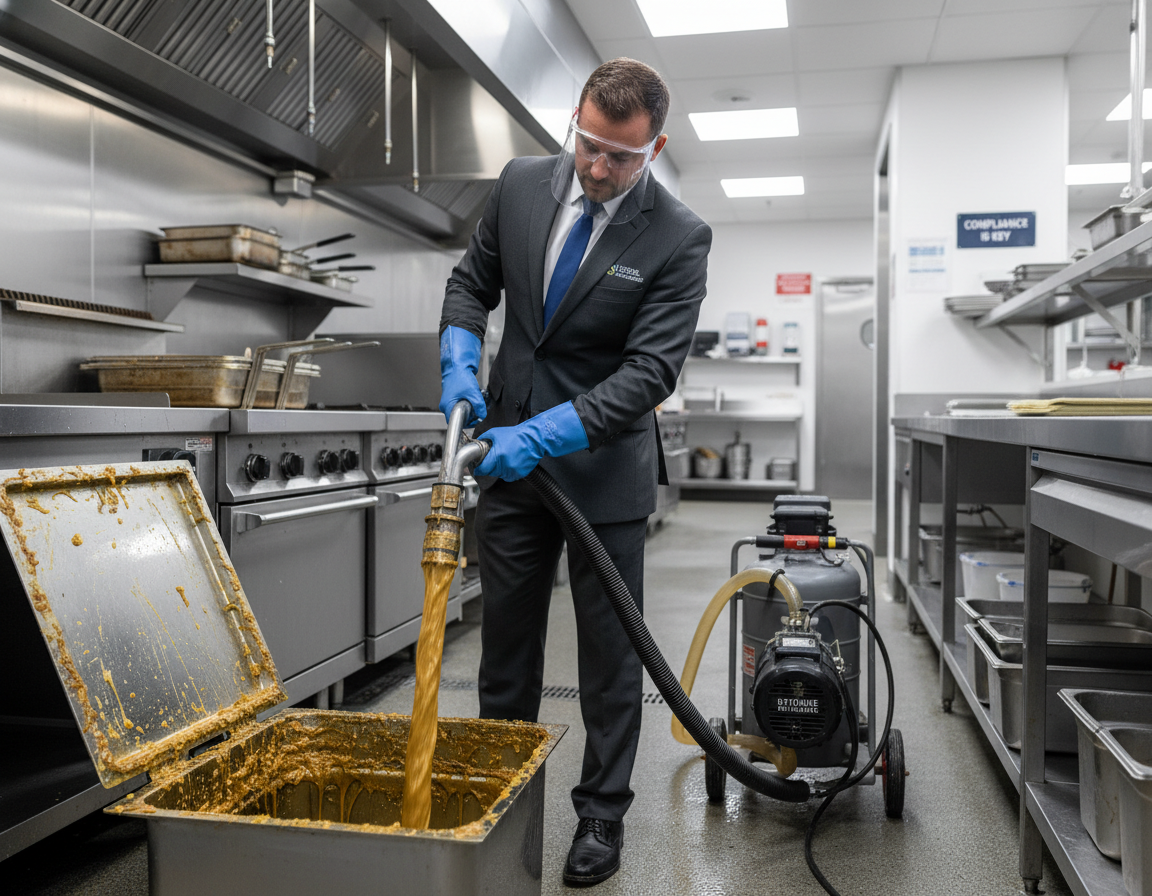
Grease Cleaning Pros In Arcadia is your trusted choice for dependable grease trap cleaning and Arcadia grease removal. We assist restaurants, hotels, office buildings, multi-story properties, and homes. Our grease trap maintenance methods are relied on by businesses throughout Arcadia.

Check out Grease Cleaning Pros in Arcadia

Explore more about Grease Cleaning Pros in Alhambra

Explore more about Grease Cleaning Pros in Agoura Hills

Looking for quick scheduling? Phone (888) 268-1406, +1-866-418-0864, or (888) 720-1645. Arrange inspections, regular pumping, hydro jetting, or snaking. We will guide you through compliance requirements and supply documentation after service.

This guide covers health and code compliance, recommended cleaning frequencies, and commercial grease services in Arcadia. It also provides preventative tips to help keep drains clear. You can expect straightforward advice and practical steps to protect kitchens and avoid costly backups.

Why Regular Grease Trap Cleaning Matters For Arcadia Businesses

Consistent grease trap service is vital for keeping kitchens clean and operations running smoothly. It reduces odors, limits bacterial growth, and ensures compliance with local standards. This proactive approach supports grease trap compliance in Arcadia and meets the expectations of commercial grease regulations.

Health, Safety, And Code Compliance

Thorough cleaning reduces the risk of food-borne contamination and eliminates unpleasant odors that can discourage customers. Inspectors from the Los Angeles County Department of Public Health and local plumbing authorities review records during visits. Adhering to Grease Trap Cleaning schedules and documenting each service proves compliance and avoids fines or closures.

How To Prevent Costly Backups And Downtime

Grease, food solids, and soap residue solidify over time, causing stubborn blockages. Routine pumping and maintenance help stop these blockages before they happen. This approach reduces emergency callouts, shortens downtime, and protects revenue for businesses that depend on continuous service.

Protecting The Lifespan Of Kitchen Plumbing And Drainage

If left unaddressed, grease can accelerate corrosion and wear down pipe walls. Scheduled cleaning slows this deterioration, reduces the need for pipe replacement, and lowers long-term repair costs. Including grease trap service in kitchen plumbing maintenance in Arcadia helps preserve drain function and extend the life of commercial plumbing systems.

Businesses that follow scheduled Grease Trap Cleaning benefit from operational stability. Meeting commercial grease regulations and maintaining kitchen plumbing in Arcadia help simplify inspections, protect public health, and reduce costs over time.

Grease Cleaning Pros Serving Arcadia

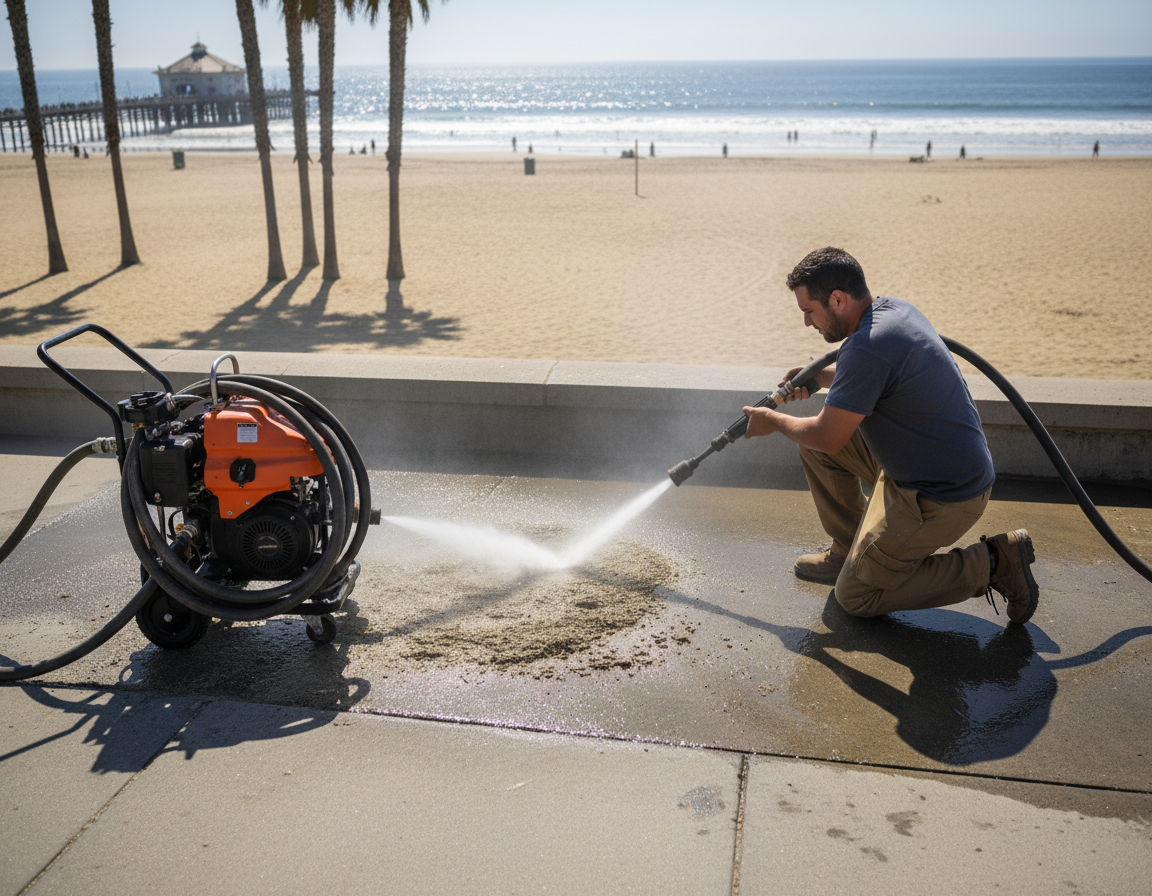
Grease Cleaning Pros specializes in kitchen plumbing and grease trap plumbing in Arcadia. Their services include installations, renovations, routine maintenance, and emergency repairs for commercial kitchens. The team works closely with designers and contractors to help minimize downtime for busy operations.
Grease Cleaning Pros in Arcadia

Local Presence In Arcadia

Technicians are based in the region and understand Arcadia kitchen workflows. Their regional experience helps them diagnose issues quickly and coordinate with on-site staff during busy shifts. They provide tailored recommendations for grease trap sizes, vent placement, and maintenance frequency.

Areas Served And Property Types

Their services cover restaurants, hospitality kitchens, office buildings, event venues, healthcare facilities, retail food outlets, warehouses with food preparation areas, and select residential kitchens. They handle small single-station kitchens to multi-story commercial plumbing projects.

Their services include grease trap installation, hydro jetting, drain cleaning, plumbing system inspections, commercial kitchen plumbing, and emergency plumbing support. These capabilities support both routine upkeep and urgent repairs to prevent costly closures.

Arcadia Contact And Booking Details

Property managers and owners in Arcadia can call for inspections, personalized assessments, and quotes. The contact numbers are (888) 268-1406, +1-866-418-0864, and (888) 720-1645. Request a scheduled appointment to review grease trap services or arrange ongoing maintenance plans.

Common Causes And Signs Of Grease Build-Up In Arcadia Kitchens

Grease buildup in Arcadia kitchens often starts in the pan. Warm fats and oils cool, solidify, and stick to pipe walls. When combined with food particles, soap residue, and hair, these substances form thick layers. These layers slow flow and trap even more debris, creating a vicious cycle.

Other factors can make the problem worse. Tree roots may infiltrate exterior lines, break seals, and catch grease. Aging pipes, whether cast-iron or PVC, with pitting or sagging, create pockets for grease to accumulate. Improper disposal of non-degradable items such as wipes or paper towels also speeds up blockages in both commercial and residential systems.

How Grease, Food Particles, And Soap Create Blockages

Grease clings to pipe interiors as it cools. Tiny food scraps and soap scum stick to this greasy film. Over time, those layers thicken into a dense “grease cake.” This cake resists flushing and traps more solids, leading to faster clog formation and worse odors.

Signs Your Grease Trap Or Drains Need Attention

Look out for classic grease trap warning signs. Persistent slow drains in Arcadia kitchens are a key indicator. A frequent need for snaking, visible grease at trap access points, and strong sewer or cooking odors all signal the need for service.

  • Slow drains Arcadia that take minutes to clear after washing
  • A recurring clogs diagnosis indicated by repeated service calls
  • Noticeable grease floating or residue in sink basins and traps
  • Persistent foul odors around kitchen drains or loading areas

When Recurring Clogs Signal Deeper System Problems

Recurring clogs require a deeper look. When clogs come back quickly after pumping, it may point to broken or sagging pipes, heavy grease cake, or a trap that is undersized for the workload. Such issues usually require camera inspection, focused hydro jetting, or even a system overhaul to solve the root cause.

If symptoms continue even after routine cleaning, contact Grease Cleaning Pros for advanced diagnostics and corrective solutions. Our skilled technicians use video inspection and hydro jetting to identify problems and recommend effective repairs. That approach helps stop future backups from happening.

Grease Trap Cleaning Services Offered By Grease Cleaning Pros

Grease Cleaning Pros offers a wide range of commercial services to help kitchens operate efficiently and stay within regulatory standards. Our team handles routine maintenance, deep cleaning, new installations, and usage-based custom plans. Every service includes documentation for regulatory compliance and safe disposal practices.

Routine grease trap pumping centers on solids removal and environmentally responsible grease disposal. It also includes a thorough interior scrubbing of the trap. Detailed records are maintained to document what was removed and how it was disposed of. This helps restaurants and hotels stay compliant with local regulations.

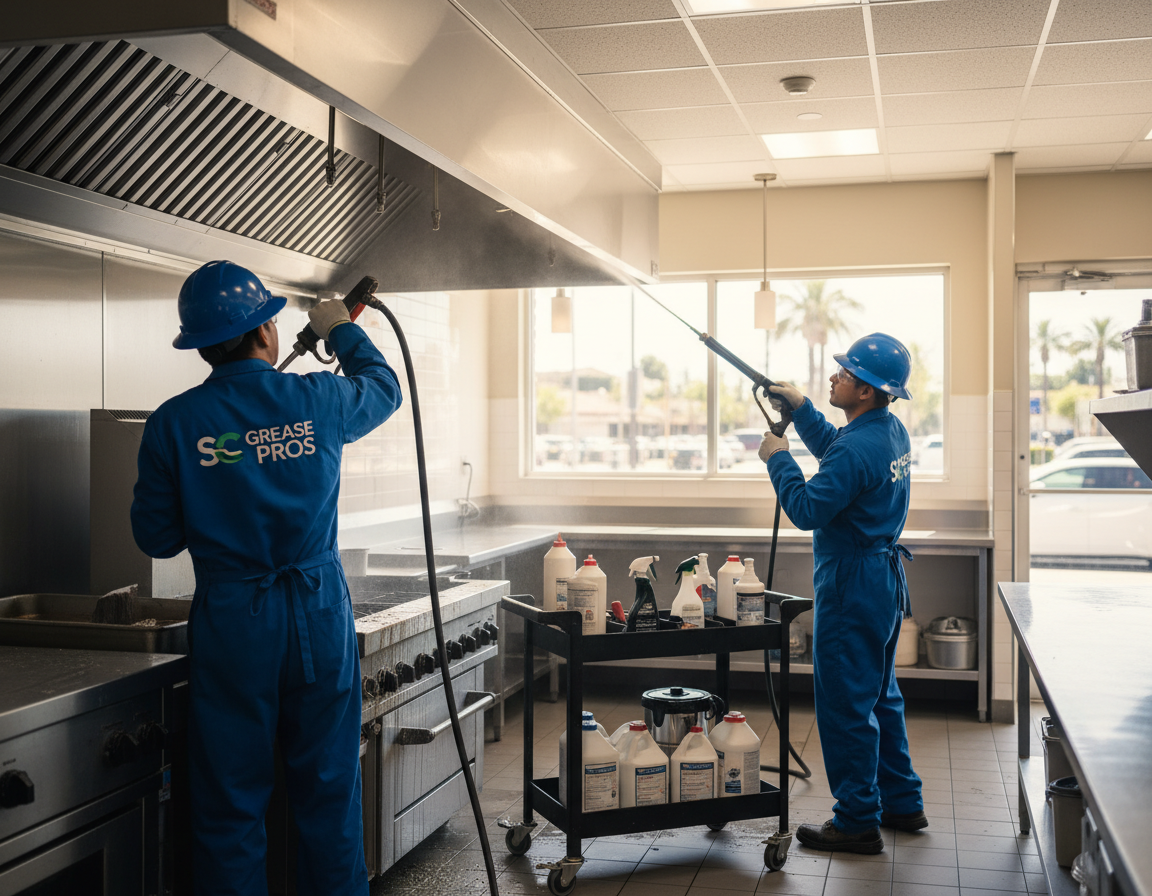
Persistent buildup inside lines is addressed with hydro jetting and mechanical snaking. Our high-pressure hydro jetting Arcadia team employs blasts of water to clear biofilm and grease from pipe walls. Afterward, technicians use camera inspections to confirm the pipes are clear.

Grease trap installation and replacement services ensure commercial kitchens have the properly sized unit in the right location. We follow municipal codes and tailor installations to fit the specific needs of restaurants, hotels, and institutions. This approach helps minimize future backups and lower maintenance costs.

We provide scheduled maintenance plans tailored to various kitchen volumes. These plans are categorized into light, moderate, and heavy usage tiers, determining the cleaning frequency and contract terms. Recurring service contracts provide predictable visits, priority response, and customized guidance to help lower grease loads.

In addition to grease trap work, we offer multiple commercial plumbing services. These include industrial drainage system installation, backflow prevention testing, plumbing inspections, and sewer line repair. The team is equipped to address any plumbing issue that may arise from grease buildup or related concerns.

  • Routine pumping: solids lift, trap interior cleaning, disposal records.
  • Heavy cleaning: hydro jetting Arcadia for stubborn grease, plus mechanical snaking and camera inspections.
  • Install & replace: proper sizing and code-compliant grease trap installation.
  • Maintenance plans: service schedules based on usage and recurring service contracts.

How Often Arcadia Properties Should Schedule Grease Trap And Drain Service

Grease and drain cleaning frequency depends on system usage. Standard systems are usually advised to be cleaned every 1–2 years. Because of their heavy use, commercial kitchens require more frequent cleaning to prevent backups and meet code requirements. That information helps create an effective drain cleaning schedule and maintenance plan for commercial kitchens.

Recommended Cleaning Intervals For Typical Commercial Kitchens

Full-service restaurants and kitchens with high volumes need cleaning every 1–3 months. Cafés with light use and small offices might get away with quarterly to biannual visits. Because banquet halls and hotel kitchens often see heavy peak-time usage, monthly maintenance is usually the best option for smooth operations.

Factors That Can Increase Cleaning Frequency

Several factors necessitate more frequent cleaning. Kitchens with heavy output of fats, oils, and grease need more frequent pumping. Older pipes with rough interiors collect buildup more quickly. Frying foods or using heavy butter and lard creates more deposits. Properties with repeated clog issues should move from annual checks to quarterly or monthly service.

How Grease Cleaning Pros Assesses Systems And Recommends Schedules

Grease Cleaning Pros starts with an on-site inspection to assess trap capacity and observe kitchen flow. Camera inspections are used by technicians to detect hidden blockages. Pressure testing and hydro-jet diagnostics reveal stubborn buildup inside lines. Using real data and local codes, the team creates a customized drain cleaning schedule and commercial kitchen maintenance plan based on that evaluation.

Arcadia owners who need a specific plan or immediate inspection can contact Grease Cleaning Pros for a personalized schedule and booking options. These options are tailored to your building’s usage and system condition.

Preparing For A Grease Trap Service Visit

When a technician arrives for a grease trap service in Arcadia, a clear process unfolds. Most drain cleaning appointments take about 1–2 hours. The crew will inspect access points, remove solids and grease, clean the interior, and complete camera inspections if necessary. Drain and vent flow is also tested during the visit.

Property managers and owners should prepare by clearing the area around the trap access. Remove obstacles near kitchen equipment. Secure perishable items and pause heavy cooking if possible. Notifying staff about temporary disruptions allows the team to work more efficiently and safely.

Technicians might use hydro jetting or mechanical snaking if there’s persistent buildup. This may extend the drain cleaning duration in Arcadia. Urgent backup situations can be handled through emergency service, and contractors also have options during renovations or system replacements.

Preparation for a grease trap visit includes being ready with necessary paperwork. Grease Cleaning Pros provides disposal records, manifests, service reports, and recommended dates for the next service. Make sure the service area is accessible so documentation and handoff can be completed more quickly.

Service Task Crew Actions Customer Prep Estimated Time
Initial assessment Inspect trap entry points and visible lines Clear the area and remove clutter from the floor About 10–20 minutes
Pumping & removal Pump out grease and solids; load waste for transport Relocate smaller equipment away from access areas 20 to 40 minutes
Internal cleaning Scrape, clean, and deodorize interior surfaces Secure food items and cover food-prep surfaces 15 to 30 minutes
Advanced clearing Perform hydro jetting or snaking and use camera inspection if needed Plan a low-usage window to reduce disruption Roughly 20–40 additional minutes
Testing & documentation Run flow tests and provide manifests and a service report Assign a staff member to receive paperwork 10 to 15 minutes

Detailed records from each visit should be kept to meet local code requirements and track maintenance history. Good preparation for a grease trap visit reduces downtime and supports compliance. Regular scheduling based on usage prevents surprises and shortens future drain cleaning duration in Arcadia.

Preventative Tips To Reduce Future Grease Problems

Effective grease prevention in Arcadia begins with establishing clear kitchen rules. Educate staff to avoid disposing fats, oils, and food waste in sinks. Ensure used oil cools down, then store it in labeled containers for proper disposal or recycling.

Implement preventive measures early on. Install high-quality strainers at all sinks and empty them into waste bins, not drains. Grease collection buckets should be placed near fryers and dish areas for efficient transfer.

Adopting kitchen grease best practices as formal policies is essential. Assign clear grease collection tasks, require covered storage, and hold monthly refresher trainings. Clear guidelines make compliance easier for both staff and management.

Grease trap maintenance tips should be followed to protect plumbing and support local regulatory compliance. Schedule pumping and visual inspections regularly based on your kitchen’s volume. Keep detailed records of each service for audits and routine checks.

Watch carefully for signs that indicate professional service is needed. Reach out to Grease Cleaning Pros for slow drains, recurring clogs, persistent odors, or visible grease at cleanouts. Prompt inspections help prevent expensive repairs and reduce downtime.

Integrate strainers and disposal practices into daily operations. Label waste and recycling bins, establish a rotation for collection, and coordinate with licensed waste haulers. Steady daily practices reduce blockages and help keep kitchens efficient.

For significant repairs, rely on experts for replacements and system upgrades. Grease trap replacement, industrial drainage installation, and full plumbing overhauls require skilled technicians. They ensure compliance with codes and long-term system performance.

Conclusion

Routine Grease Trap Cleaning is vital for Arcadia businesses to maintain compliance, avoid costly backups, and extend the life of kitchen plumbing. Grease Cleaning Pros In Arcadia provides specialized Arcadia grease services along with commercial drain cleaning. That work reduces downtime and supports health and safety.

Routine visits generally last between 1 and 2 hours. Drains generally need service every 1–2 years, with more frequent cleaning for high-traffic kitchens. Services include routine pumping, hydro jetting, installation, and additional commercial plumbing work. That helps resolve deeper issues before they cause closures.

Property owners and managers must schedule regular assessments and maintenance to avert emergencies. For inspections, emergency response, or to establish a maintenance plan, contact Grease Cleaning Pros In Arcadia at (888) 268-1406, +1-866-418-0864, or (888) 720-1645. Taking timely action helps keep kitchens compliant and operations running without interruption.

Why Commercial Kitchens Rely on Grease Trap Cleaning in Northridge

Running a successful food service operation is hard work. Every day, you manage stock, staff, and customer expectations. The last problem you need is a plumbing emergency caused by poor grease management.

This site is about Grease Cleaning Pros in Northridge

This resource is about Grease Cleaning Pros in Norwalk

Read more about Grease Cleaning Pros in Pasadena

That’s where we come in. Our nearby team is focused on helping your commercial kitchen run without disruption. We help you stay compliant with health codes and avoid costly emergencies.

This guide explains the essential maintenance your plumbing system requires. You’ll learn about interceptors, powerful hydro jetting services, and eco-friendly oil recycling.

Our goal is to deliver dependable, hassle-free service that works with your schedule. Our team makes a difficult, dirty chore into a simple part of your regular business routine.

Main Takeaways

  • Proper maintenance of your plumbing system is critical for restaurant compliance and operation.
  • Routine service helps prevent expensive emergencies and keeps your business operating smoothly.
  • Hydro jetting provides a powerful long-term solution for blocked drains and pipes.
  • Recycling used cooking oil supports sustainability and can create valuable products.
  • Working with a dedicated local provider gives you reliable, scheduled maintenance.
  • Knowing the warning signs of a problem can help you avoid major disruptions.
  • A professional team can work around your schedule to reduce business interruption.

The Essential Role Of Grease Trap Cleaning For Northridge Restaurants

Infrastructure protection is a term often used for buildings, but it applies perfectly to your restaurant’s hidden plumbing network. For restaurants in this area, proper maintenance of this system is not just a suggestion—it is a core operational necessity.

Proper care safeguards your daily workflow, your budget, and your standing with local authorities. Failing to maintain it can trigger a chain of issues that no business owner wants to face.

Preventing Costly Plumbing Disasters And Downtime

Fats, oils, and grease (FOG) are stealthy adversaries. Even the most careful kitchen staff cannot prevent every bit from entering the drains.

Dishwater carries dissolved grease. Steam from cooking transports particles that cool and stick inside pipes. A simple mistake during the dinner rush can send a problematic substance down the sink.

This steady accumulation is inevitable. If left untreated, it turns into solid blockages that can shut your kitchen down completely.

The cost of an emergency plumbing call is only the beginning. There is also lost income during downtime and the risk of property damage.

Investing in scheduled professional maintenance is far more economical. It acts as an insurance policy against these catastrophic failures.

We provide the preventative service your system needs. Our specialists identify minor issues before they become major emergencies.

Grease Cleaning Pros in Northridge

Maintaining Compliance With Local Health And Safety Regulations

Local health departments enforce strict rules for a vital reason. Their responsibility is to protect the public sewer system from grease-related damage.

Non-compliance carries serious consequences for your business. Significant penalties are common when violations occur.

Repeated offenses can risk the suspension of your operating license. That level of negligence can also damage the local environment.

Consistent maintenance from a trusted provider helps keep you inspection-ready. Our team manages the cleaning and supplies the documentation you need.

This proactive strategy prevents the foul odors and backups that warn of trouble. That allows you to focus on your customers with greater peace of mind.

Consider it the equivalent of a scheduled oil change for essential equipment. This keeps your system operating properly despite constant kitchen use.

When Should Your Grease Trap Be Professionally Cleaned?

One of the questions restaurant managers ask most often is when this essential maintenance should be scheduled. There’s no universal calendar date that works for every business.

Most restaurants need equipment service every 30 to 90 days. This range depends entirely on your kitchen’s daily output and the types of food you prepare.

A tailored schedule is the best way to ensure efficiency and compliance. It helps protect your plumbing while keeping operations smooth.

Tailoring Schedules To Your Kitchen’s Volume And Menu

Your menu and customer traffic are the biggest factors. A busy kitchen with multiple fryers generates much more waste than a small café.

Busy places like steakhouses and fried chicken shops frequently need monthly service. They create too much waste to stretch service further apart.

Smaller bakeries or pizza shops might need monthly checks at first. Following an assessment, they could extend service to cleaning every 60 to 90 days.

At Grease Cleaning Pros, our team reviews your specific situation. We examine weekly sales, cooking methods, and even dishwashing habits.

That assessment allows us to build a plan that helps stop problems before they start. It also optimizes your maintenance budget by avoiding unnecessary visits.

  • Busy hotel kitchens: Typically require the highest service frequency.
  • Family diners: May fall into a middle-ground schedule.
  • Sandwich shops: Could qualify for extended service intervals.

The Risks Of Waiting: From Foul Odors To Fines

Ignoring your service schedule opens the door to a chain of issues. A danger point is reached when any unit hits 25% capacity.

At that point, the device stops working properly. It can no longer effectively separate fats and oils from the wastewater.

The first signs are often subtle. You might notice sinks draining slower than usual.

Then, persistent foul odors begin to emanate from the drains. This smell can drift into dining areas, affecting your guests’ experience.

Complete blockages are the next, costly step. These blockages can shut down the kitchen during your busiest periods.

Local health inspectors review maintenance records carefully. Neglect leads to violations and substantial financial penalties.

Routine professional cleaning removes these risks completely. It keeps your system operating at peak performance.

With a dedicated provider, you get predictable scheduling and transparent pricing. This partnership gives you peace of mind, knowing your kitchen is protected.

Understanding Your System: Grease Traps And Grease Interceptors

Not every food service operation uses the same equipment to manage fats, oils, and grease. Two primary systems handle this crucial task. Understanding which one you have is essential for correct care and compliance.

You can think of a grease trap as a smaller, compact protector. A grease interceptor is the heavy-duty champion. Each handles the same critical task, just at very different capacities.

In many cases, local rules decide which system you must have. The choice depends on your kitchen’s size, menu, and daily water use.

In-Sink Grease Traps For Small Establishments

These units are placed directly beneath sinks or dish stations. They are intended for smaller-volume businesses.

A standard in-sink grease trap usually holds 20 to 50 gallons. It is perfect for businesses with limited frying.

Common ideal locations include:

  • Coffee shops and smaller cafés
  • Delis and bakeries
  • Pizza shops with minimal grease output

The unit works by reducing wastewater flow speed. This allows fats to cool, solidify, and float to the top for easy removal. Regular maintenance prevents cooking oil from causing problems.

Underground Grease Interceptors For High-Volume Operations

Large establishments need a more robust solution. An underground grease interceptor is a large tank buried outside the building.

These tanks are made of concrete or durable plastic. Capacities range from 500 to 5,000 gallons or more.

This type of grease trap interceptor is necessary for:

  • High-volume steakhouses and hotel kitchens
  • Large cafeterias and food processing operations
  • Any business with heavy frying activity

It works like a smaller trap, just on a far larger scale. They are built to handle heavy daily grease production.

Cleaning these large grease interceptors requires specialized equipment. Vacuum trucks are commonly necessary for complete cleaning.

Maintaining either system properly helps protect the public sewer system. It prevents used cooking oil and grease from causing damage.

Our team at Grease Cleaning Pros services both types. We use portable pumps for under-sink units and powerful trucks for large interceptors.

Never pour hot water down the drain to clear a blockage. This can worsen the problem by moving grease further into pipes.

Understanding the kind of grease trap interceptor you have is the first step in dependable maintenance.

Why Hydro Jetting Is A Superior Drain Cleaning Solution

When owners look for an effective answer to chronic plumbing blockages, they often find advanced hydro jetting technology. This method stands apart from temporary fixes by addressing the root cause of drainage issues.

It delivers a deep, comprehensive cleaning that restores pipes to near-new condition. Understanding its advantages over other options is important for every business owner.

As soon as drains start slowing or clogging, many owners reach for fast remedies. In many cases, these quick attempts worsen the issue in the long run.

The Limitations Of Hot Water And Chemical Treatments

Using hot water down the drain can look like a simple solution. It may temporarily melt grease and offer short-term relief.

However, that melted material usually moves farther into your plumbing system. It eventually cools and solidifies deeper in the line in a more difficult location.

This creates a larger, more stubborn blockage downstream. The issue is moved, not solved.

Chemical drain cleaners present another set of issues. Over time, they can damage pipe materials through corrosion.

These harsh chemicals create safety risks for your staff and the environment. They also do little against hardened grease deposits.

Both methods are like putting a bandage on a broken pipe. They fail to provide the lasting results your kitchen needs.

Restoring Pipe Flow With High-Pressure Precision

For persistent drainage problems, hydro jetting offers the lasting solution. It uses highly pressurized water streams to scours pipe walls completely clean.

The process delivers up to 4000 PSI of pure cleaning power. This force blasts away years of accumulated buildup, including hardened deposits.

A hydro jet can remove away years buildup in one session. It cleans the full circumference of the pipe rather than just punching a hole through the blockage.

The process restores full pipe flow and reduces the chance of immediate re-clogging. Unlike snaking, it leaves no residual debris behind.

This eco-friendly approach uses only water, without harsh chemicals that could damage pipes. For this service, Grease Cleaning Pros relies on advanced professional equipment.

Advanced hydro jetting equipment lets us navigate bends in the pipe system easily. It reaches deep into your plumbing for a complete clean.

If conventional methods have failed, you may need hydro jetting. This powerful process hydro jetting blasts through extremely stubborn obstructions.

Once the service is complete, your drains are better prepared for the busiest kitchen hours. That gives you confidence because your pipes function almost like new again.

This method produces better results for both preventative maintenance and stubborn clogs. It’s the intelligent choice for a reliable, efficient kitchen operation.

Warning Signals That You Need Grease Cleaning Pros In Northridge

Identifying your drainage system’s early distress signals is crucial if you want to prevent a major kitchen shutdown. When buildup becomes severe, your plumbing system starts sending obvious messages.

Learning to identify these warnings can save your business from major disruptions and expensive repairs. Ignoring them is a gamble no restaurant owner should take.

Slow Drains, Backups, And Unusual Noises

One of the first warning signs is slow drains in sinks or dishwashing areas. This usually means accumulated material is limiting water flow through your pipes.

When multiple fixtures back up at the same time, the problem is likely in your main line. This is a problem that calls for prompt professional service.

You should listen for unusual gurgling sounds from toilets or drains. These noises mean air is trapped in the system by a blockage.

If clogs keep coming back after snaking, the real issue is not being solved. At that point, you probably need hydro jetting for a full clean.

Lingering Odors And Visible Grease Issues

Your nose is a powerful diagnostic tool. Ongoing foul odors, particularly sewage odors near drains, are a sign that waste is not moving properly.

Visible problems are a clear red flag. An oily film on standing water or debris floating in a grease trap indicates the system is overloaded.

Pooling water near an exterior interceptor lid can indicate an overflow situation. This creates a serious sanitation hazard on your property.

Even consistently slick kitchen floors may point to a hidden problem. It may be a sign of used cooking oil leaking from a damaged line.

As soon as you see any of these indicators, reach out to our team immediately. Early intervention stops small issues from becoming complete failures.

Our experts at Grease Cleaning Pros provide a thorough assessment. We will let you know whether you need hydro pressure cleaning or a different solution.

Do not wait until disaster strikes. Get in touch today to get quote and bring your kitchen back to smooth operation.

Our Eco-Friendly Commitment: Recycling Used Cooking Oil

A circular economy starts when businesses rethink what they view as waste. For commercial kitchens, used cooking oil from fryers is a resource with enormous potential.

We view this material as liquid gold rather than a disposal issue. Working with a professional service keeps it from causing plumbing disasters.

This commitment helps ensure your cooking oil never becomes an environmental threat. Instead, it starts a valuable second life through responsible recycling.

Transforming Waste Into Biodiesel And Sustainable Products

Once collected, your used fryer oil begins an impressive journey. The oil is filtered and processed at certified recycling facilities.

That oil gets recycled into biodiesel fuel that burns cleanly. That gets recycled biodiesel can power trucks, boats, and heating systems.

Compared with petroleum diesel, this process can reduce greenhouse gas emissions by up to 85%. Your kitchen becomes part of the climate solution.

Additional byproducts keep resources in circulation. They become animal feed, industrial lubricants, soaps, and cosmetics.

Each gallon you recycle can help prevent contamination of about one million gallons of water. This makes a major difference in protecting local water quality.

How Your Business Benefits The Environment And Your Bottom Line

Correct grease trap cleaning and used oil collection create a positive cycle. You keep plumbing clean and remain compliant with regulations.

Beyond trap cleaning, this service offers financial returns. Many establishments earn rebates from their used cooking oil.

This creates a financial return that many businesses overlook. It turns a cost center into a small revenue stream.

The professional cleaning team provides records of your recycling volumes. These records can support sustainability reports and green business certifications.

Customers place more value than ever on eco-friendly practices. Choosing cleaning pros aligns your operation with modern environmental standards.

Are you ready to transform your waste stream? Get in touch today to get quote and start enjoying the benefits of a smarter system.

Partner With Us For Reliable, Hassle-Free Service

Your kitchen deserves a maintenance plan that works as hard as your team does. Partnering with Grease Cleaning Pros means choosing a local expert dedicated to your smooth operation. Our team provides the reliable, low-stress support your business needs to thrive.

We understand very well that downtime means lost revenue. Our team works around your schedule for service, whether early morning or late evening. This approach works perfectly to avoid disrupting your rush hours.

Our efficient vacuum trucks handle the job quietly and quickly. You get complete professional maintenance, ranging from trap cleaning to hydro jetting. We also provide the documentation you need for inspections.

Ready to make kitchen maintenance simpler? Contact us to get quote today and join the many local restaurants that trust our consistent service.

How Grease Trap Cleaning in El Segundo Protects the Environment

Discover leading grease trap specialists in El Segundo for top-notch service. Our team specializes in El Segundo grease trap cleaning and grease pump El Segundo services. We serve the local area and the broader grease service Los Angeles market.

Read more about Grease Cleaning Pros in El Segundo

Go to website of Grease Cleaning Pros in Encino

Read more about Grease Cleaning Pros in Glendale

Regular Grease Trap Cleaning typically costs a few hundred dollars. Emergency repairs, shutdowns, and fines can climb into thousands. Penalties can range from $1,000 to $50,000 in extreme cases. Timely service protects your reputation, prevents slip hazards and lawsuits, and ensures easier health department inspections.

Most routine trap visits take 30–90 minutes. Larger interceptors often demand more time and heavy equipment. Look over your last service date, keep accurate records, and schedule a visit with Grease Cleaning Pros In El Segundo if you are overdue.

Why Routine Grease Trap Cleaning Matters For El Segundo Businesses

Regular grease trap cleaning is critical for protecting staff, guests, and your business license. Neglecting this service can lead to backups, producing harmful gases like hydrogen sulfide. These gases can also make floors slippery, posing health risks and increasing the likelihood of lawsuits.

In Los Angeles County, grease and solids must not exceed 25 percent of the trap’s capacity. Failing to meet these standards can result in fines, inspections, or even immediate closure. Putting off maintenance can lead to severe penalties, including hefty fines from local agencies.

While routine cleaning costs are relatively low, emergency repairs can be very costly. Scheduled pump-outs typically cost a few hundred dollars. In contrast, emergency hydro-jetting or full interceptor replacement can cost thousands. Regular maintenance is a cost-effective way to avoid these high costs.

Ignoring maintenance can cause service disruptions and harm your reputation. Proper upkeep ensures systems are ready for inspections and provides documented records. These records are important for proving compliance and reducing the risk of shutdowns.

Implementing simple practices can further reduce risks. Keep track of service dates, schedule cleanings every 90 days, and maintain detailed invoices. These steps help prevent lawsuits and enhance kitchen safety, protecting your business’s financial health.

Health, Safety, And Compliance Risks Of Neglect

Untended grease traps emit foul odors and dangerous gases, posing risks to employees. Clogged lines can also create slip hazards in food preparation and dining areas. Authorities take these issues seriously, and citations can result in temporary closures.

Grease Cleaning Pros in El Segundo

Cost Comparison: Routine Maintenance Vs Emergency Repairs

Planned grease trap cleaning is predictable and affordable. Emergency repairs, on the other hand, are costly and disruptive. Investing in regular maintenance can prevent the need for expensive emergency fixes.

Business Continuity And Customer Trust

Consistent maintenance ensures uninterrupted operations and customer confidence. A clean record of service helps prevent shutdowns and builds trust with local inspectors. This trust is important for long-term success in El Segundo and Los Angeles.

About Grease Cleaning Pros In El Segundo

Grease Cleaning Pros serves El Segundo and the broader Los Angeles area. We provide licensed, documented grease trap and interceptor services. Our focus is on meeting local regulations while ensuring kitchens and sewer lines remain clear.

Who We Are At Grease Cleaning Pros

Our team at Grease Cleaning Pros is composed of professional technicians. They are trained in safe handling and compliant disposal. We ensure restaurants and facilities have the necessary records for inspections by following all permit and reporting requirements.

Grease Services Offered In El Segundo

We provide grease trap pumping services for El Segundo businesses. Our services support small indoor units, ranging from 20 to 50 gallons. For larger vaults, our crews handle 500–5,000+ gallon systems using vacuum truck pumping and pressure washing.

Hydro jetting is used to remove mainline buildup. Our technicians also scrape baffles, inspect inlet and outlet tees, and ensure proper waste disposal. We coordinate used cooking oil recycling to lower disposal costs and support biodiesel conversion.

What Sets Grease Cleaning Pros Apart

Our clients value our commitment to providing thorough documentation. This supports compliance and audit trails. We utilize powerful vacuum trucks and pressure-wash equipment to restore performance efficiently.

Safety is a core aspect of our operations. We train our technicians in gas precautions before they open covers. Our flexible scheduling allows for off-hour work, minimizing service disruptions.

We offer preventive guidance to reduce grease load and extend service intervals. When businesses require Grease Trap Cleaning services in El Segundo or interceptor cleaning, we provide clear records and reliable solutions. Our advice is tailored to each kitchen’s specific needs.

Signs, Frequency, And Types Of Grease Trap And Interceptor Service

Knowing when to schedule Grease Trap Cleaning is essential for kitchen operations and avoiding expensive backups. This section covers common warning signs, recommended service frequencies, and the distinctions between small indoor traps and large outdoor interceptors.

Common Signs Your Unit Needs Immediate Attention

Slow-draining sinks or water pooling in three-compartment sinks are clear grease trap warning signs El Segundo operators should not ignore.

Gurgling from floor drains or toilets, a foul hydrogen sulfide odor, and visible grease backing up into sinks or dishwashers are urgent indicators.

Multiple drains clogging at once, standing water near the trap, visible external overflow, persistent greasy floors, and increased pest activity point to a serious problem.

How Often To Clean And How To Decide

No single rule fits every kitchen. Many municipalities require service when grease and solids reach 25% of capacity, which guides cleaning frequency grease trap planning.

High-volume restaurants often need bi-weekly to monthly service. Fast-food kitchens may require weekly visits. Busy full-service restaurants commonly clean monthly, while smaller cafes often schedule quarterly maintenance.

Interceptors usually get pumped every three months. High-volume facilities may need monthly interceptor maintenance to stay compliant and avoid backups.

Determine frequency by tracking menu mix, customer volume, trap size, local regulations, and measured fill levels between cleanings. Keep pumping records and measure grease layer thickness to fine-tune schedules.

Grease Traps Vs Grease Interceptors

Grease traps are smaller indoor units, usually 20–50 gallons, placed beneath sinks to protect individual fixtures. Grease interceptors are large outdoor concrete or fiberglass vaults installed underground and typically hold 500–5,000+ gallons.

Interceptor maintenance requires heavy equipment access, removal of heavy covers, pumping thousands of gallons, multi-compartment cleaning, structural inspection, and groundwater infiltration testing.

Smaller grease traps are typically serviced by technicians using portable pumps and hand tools. Large interceptors often need vacuum trucks, confined-space procedures, and coordination with local public works for permits and access.

Ongoing monitoring and prompt action when grease trap warning signs appear in El Segundo can help extend equipment life and lower the risk of plumbing incidents. Establishing a cleaning frequency grease trap schedule based on measured use and professional assessment keeps kitchens compliant and productive.

Our Professional Cleaning Process And Best Practices For Preventing Buildup

Our team uses a detailed, documented grease cleaning process. This ensures kitchens operate efficiently and meet health standards. Each visit starts with identifying the unit and measuring the grease layer. These measurements and conditions are documented by technicians for compliance purposes.

Step-by-step breakdown of a professional cleaning visit

1. Access the trap safely and open covers using gas-monitoring protocols.

2. A vacuum truck is used to remove floating grease, wastewater, and solids. This minimizes waste left in the unit.

3. Clean the baffles and interior surfaces, then pressure wash the walls to remove residue.

4. Inspect inlet and outlet pipes for clogs and check structural integrity.

5. Refill the trap with clean water to restore proper function and then provide final documentation to the client.

Typical traps usually require 30–90 minutes, while larger units take more time. When mainlines show recurring clogs, we deploy hydro jetting El Segundo. This uses high-pressure force to remove buildup from pipe walls when snaking is not enough.

Procedures and considerations for interceptors

Big interceptor systems require access for heavy pump trucks and lifting concrete or metal covers. Pumping can remove thousands of gallons, so teams coordinate site access and traffic control when needed.

Technicians clean every compartment thoroughly, inspect tees and seals, and test for groundwater infiltration or structural damage. In El Segundo, interceptor pumping is often scheduled on a three-month cycle. High-volume kitchens may need monthly service.

Kitchen habits that reduce grease load

Staff should be trained to scrape plates and use sink strainer baskets. Grease should never be poured down drains. Use paper towels to wipe pans and collect waste oil in labeled containers for recycling.

Install and maintain grease-catching devices beneath fryers and assign a manager to oversee grease control. Hot water alone should not be relied on, since it only moves grease downstream until it congeals. Combine daily prevention with scheduled Grease Trap Cleaning and professional maintenance for best results.

Used cooking oil recycling can transform waste into biodiesel feedstock, lower disposal costs, and even create rebate opportunities. Keep simple records and a cleaning schedule to maintain compliance and protect plumbing and the environment.

Final Thoughts

Consistent Grease Trap Cleaning is critical to avoid health department shutdowns and hefty fines, ranging from $1,000 to $50,000. It also prevents equipment damage. Grease Cleaning Pros In El Segundo provide local expertise to keep grease systems in top condition. This ensures compliance and prevents slip-and-fall incidents, safeguarding your reputation.

Routine maintenance is a smart investment and usually costs only a few hundred dollars. It is far less expensive than emergency repairs, which can easily cost thousands. Be sure to review your last service date, keep pumping records, and schedule cleaning based on menu type, volume, trap size, and local regulations. If it’s been over 90 days or records are lost, it’s time to schedule grease service in El Segundo with a trusted provider.

Professional cleaning helps maintain proper drainage and supplies the documentation needed for inspections. This also supports oil recycling and may contribute to biodiesel production and rebates. Routine maintenance in Los Angeles reduces disruptions, keeps kitchens operating efficiently, and creates long-term savings. This approach benefits both your business and the environment.

The Different Types of Angle Valves Explained

Have you ever thought about how a single valve under your sink can stop a flood and avoid expensive repairs? An angle stop valve, also known as an angle valve, is a simple manual shut-off. It controls water to one fixture without shutting off the whole house. Its design, with an inlet and outlet at a 90-degree angle, makes it well suited for tight spaces behind sinks, toilets, and appliances.

Find out more about Angel Stop
Understanding angle stop valves makes their importance clear. They are commonly found under kitchen and bathroom sinks, behind toilets, and near washing machines and water heaters. In commercial settings, like hotels and restaurants, they allow staff to isolate fixtures for maintenance without disrupting other services.

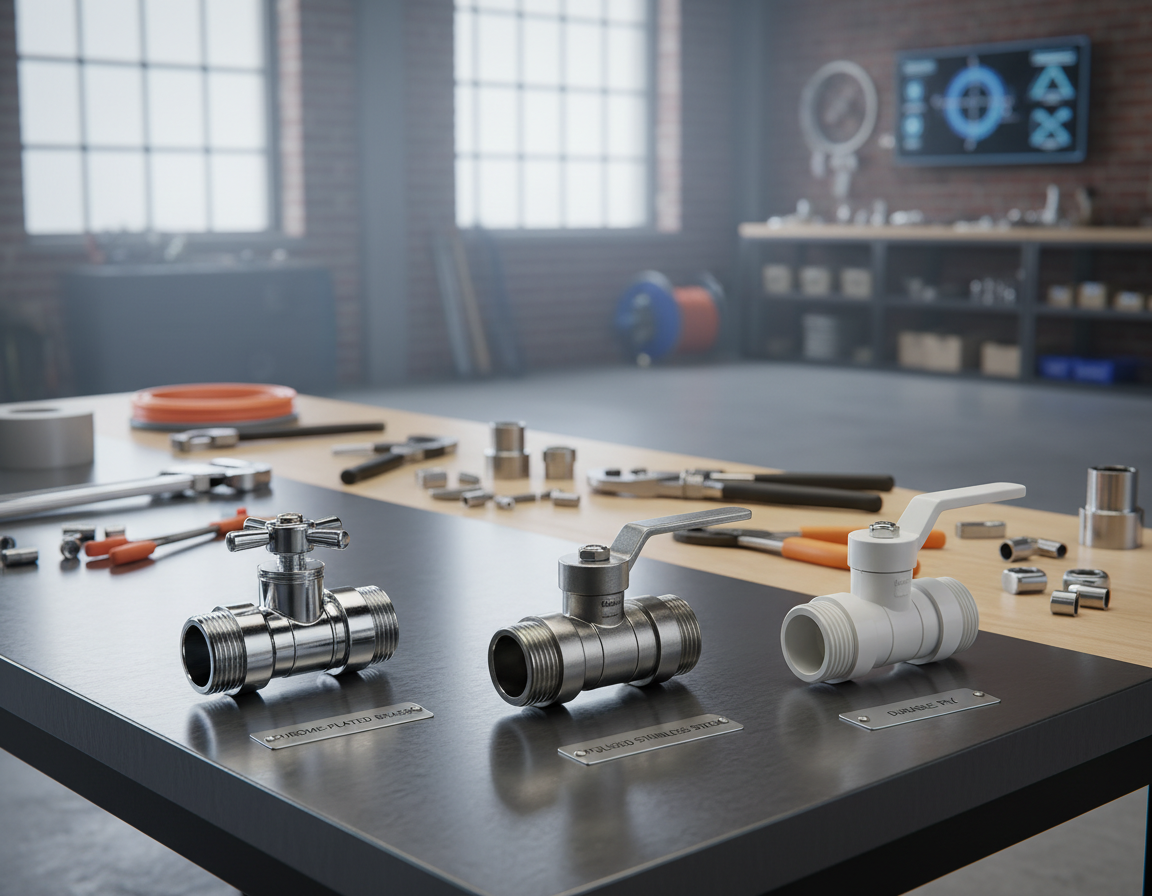
Modern angle stop valves use a quarter-turn mechanism for quick shut-off. Older models, with multi-turn stems, are more common in older homes. The valve body, stem, handle, and internal seals are essential parts. Brass is the preferred material for residential use due to its strength and corrosion resistance. Stainless steel and chrome-plated brass are options for specific needs.

Installation Parts Supply and other plumbing distributors offer a large range. This allows homeowners and contractors to find valves that meet their material and connection requirements. The benefits of angle stop valves include reduced downtime during repairs, lower risk of water damage, and affordable local control of plumbing fixtures.

Important Takeaways

  • Angle stop valves allow you to shut off one fixture without turning off the main water supply.
  • The L-shaped body makes them ideal for space-saving installations under sinks and behind toilets.
  • Quarter-turn valves provide quick shut-off, whereas older houses commonly use multi-turn stem designs.
  • Brass is preferred for residential applications; stainless steel and chrome-plated brass are alternatives.
  • Installation Parts Supply carries a broad range for contractors and DIYers.

What Are Angle Stop Valves

Angle stop valves manage water flow to fixtures needing a 90-degree turn. They are important for homeowners and professionals. This concise guide answers common questions about angle stop valves, explaining them in simple terms.

Located near sinks, toilets, and ice makers, these valves enable quick shut-off for maintenance. They are known for their compact size, clear indication of open or closed status, and the option for quarter-turn or multi-turn operation.

Main Components And Materials

Valve bodies are made from different materials, including brass, stainless steel, and chrome-plated brass. Brass is common due to its precision machining, high tensile strength, and corrosion resistance. It meets potable water standards, making it a favorite among brands like Moen and Delta.

Stainless steel is preferred in areas where corrosion and hygiene are critical, such as coastal homes and food-service establishments. Chrome-plated brass offers a shiny appearance while maintaining a robust brass core for durability and leak prevention.

The internal components include a valve stem, handles or knobs, and seals and gaskets for watertight connections. Common seals include rubber or synthetic O-rings, ferrules in compression fittings, and washers in multi-turn designs.

Angle Stop Valve For Sink

How Angle Stop Valves Operate

Operation varies based on the mechanism. Quarter-turn valves, using a ball or cartridge, open or close with a 90-degree turn. They provide fast shut-off and clear status indication. Multi-turn valves, on the other hand, require several rotations to seat the seal, relying on a rising stem and washer.

Connection types include compression, threaded, push-fit, and sweat/soldered. Compression fittings use a ferrule and nut for easy installation. Push-fit models snap on without tools. Threaded valves require pipe thread sealant, while sweat fittings need soldering for a permanent copper connection.

Sealing occurs through washers, O-rings, or ferrules pressing against valve seats. Common failure points include worn washers, brittle O-rings, and ferrule deformation over time. Regular use and occasional stem lubrication can help extend the valve’s lifespan.

Angle Stop Valve Types And Key Features

Understanding the right valve for your needs begins with material types and their applications. This guide explores materials, connection methods, and design differences. It helps you choose the best valve for your home, marine, medical, or commercial setting.

Material-Based Valve Options And Benefits

Brass angle valves are common in homes due to their ability to resist corrosion and their cost-effectiveness. Many modern brass valves are lead-free, complying with U.S. drinking water standards.

For coastal, medical, and food-service environments, stainless steel angle valves are ideal. They offer enhanced corrosion resistance along with hygienic performance. Grade 316 stainless steel is often used for the most demanding conditions.

Chrome-plated brass valves combine a brass body with a polished finish. This finish resists tarnish and maintains a clean appearance. Yet, it can chip under heavy impact.

Connection Method Variations

Compression valves use a nut and ferrule for a secure clamp-style connection. They require no soldering and are ideal for DIY projects. Always replace the ferrule to ensure a tight seal.

Threaded valves attach via pipe threads and need sealant for a leak-free connection. They are common in both residential and commercial settings.

Push-fit valves offer a tool-free, snap-on installation. They use internal seals and gripping teeth for a quick retrofit. This makes them a popular choice for many applications.

Soldered or sweat valves create a lasting bond to copper piping. Professionals prefer them for installations where durability is key.

Design And Functional Differences

Ball-style quarter-turn stops provide rapid shut-off and clear open-or-closed indication. In contrast, multi-turn compression stops may wear faster under heavy use due to smaller internal parts.

Handle styles range from levers to decorative knobs. Color coding for hot and cold improves usability. Finishes also impact longevity and appearance.

Each model may differ in its pressure and temperature ratings. Residential valves typically handle 40–80 psi. Commercial and industrial valves have higher ratings; always check specifications before purchase.

Characteristic Brass Angle Valves Stainless Steel Angle Valves Chrome-Plated Brass Valve
Ideal for Homes, bathrooms, and kitchens Marine, healthcare, and food-service environments Visible fixtures where looks matter
Resistance to corrosion Good Outstanding (often 316 grade) Good, depends on plating quality
Installation types Compression, threaded, sweat Threaded, compression, welded
Average cost Moderate Premium Moderate to premium
Common benefits Strong durability, affordability, and angle stop valve benefits for homes Long life, hygiene, and superior corrosion resistance Decorative finish and good durability with proper care

When selecting angle stop valves, consider material, connection method, and design features. Matching these to your environment and needs ensures long-term value and reliable service.

How To Install And Troubleshoot Angle Stop Valves

Before beginning, make sure the work area is ready and that all required tools and parts are available. Turn off the main water supply and open a faucet below to drain any remaining water. Measure the supply pipe accurately; common sizes include 1/2″ and 3/8″. Take the old valve to the store to find a match.

Examine the supply line for signs of corrosion or damage. Replace any damaged sections before installation. You’ll need a tubing cutter, two adjustable wrenches, a deburring tool, and non-petroleum pipe joint compound safe for drinking water. Also, have replacement ferrules and nuts ready if needed.

Here’s how to install a compression valve correctly. Cut the pipe squarely with a tubing cutter. Deburr the end to ensure a clean fit and prevent damage.

Slide the compression nut onto the pipe, then the brass ferrule. Insert the pipe fully into the valve until it stops. Hand-tighten the nut. Use two wrenches to tighten the nut further, but avoid over-tightening.

Hook up the fixture supply line as instructed by the manufacturer. Apply a thin layer of non-petroleum pipe joint compound to the ferrule for better sealing during installation.

Check the connection by slowly restoring water pressure and watching for leaks. Minor leaks may resolve as the ferrule seats. If leaks continue, tighten another quarter-turn. If leaks persist, inspect the ferrule, nut, and valve for damage.

Common installation issues usually call for specific repairs. Leaks often indicate a damaged ferrule, cracked nut, or faulty valve body. Replace the damaged part. Stiff or stuck handles usually result from mineral buildup; clean and apply a non-toxic lubricant. Seized valves or corroded bodies require full replacement.

Avoid common mistakes: never reuse old ferrules, avoid over-tightening, and ensure proper valve orientation. Mixing incompatible metals can cause corrosion; use dielectric unions for dissimilar metals.

Contact a professional if the supply pipe is badly corroded, if soldered joints are required, or if leaks continue after troubleshooting. Proper maintenance and troubleshooting ensure reliable fixtures and extend plumbing system lifespan.

Importance And Maintenance Of Angle Stop Valves

Both routine adjustments and major repairs rely heavily on angle stop valves. They allow for the isolation of water supply at a single fixture, facilitating work on various appliances without disrupting the entire household. Their L-shaped design not only saves space but also minimizes the need for additional fittings, reducing the risk of leaks and material expenses.

These valves are essential for isolated shut-offs during repairs and for emergency shut-off situations. Their quarter-turn operation ensures a swift response and provides a clear indication of their status. This compact design fits seamlessly under sinks and behind toilets, streamlining repair processes and reducing the need for extensive work.

Benefits for homeowners and professionals

The advantages of angle stop valves are numerous, including cost savings, easier access to parts, and reduced downtime. They are available in materials such as brass and chrome-plated brass, suitable for most municipal systems. For coastal properties and medical facilities, stainless steel is the preferred choice. Suppliers like Installation Parts Supply ensure a steady supply of these valves for both emergency and planned maintenance.

Maintenance checklist and schedule

  • Quarterly inspections: check for visible leaks, corrosion, and water stains beneath fixtures.
  • Annual exercise: turn valves fully open and closed to prevent sticking and maintain smooth movement.
  • Periodic checks: inspect seals, gaskets, and compression nut tightness; replace worn washers or O-rings as needed.
  • Cleaning and lubrication: clean off mineral deposits in hard-water areas and apply safe, non-toxic lubricant to stiff stems.
  • Winterizing: empty exposed lines in colder climates to help prevent freeze damage.
  • Consider smart options: sensor-driven shut-off and automatic leak detection reduce damage and speed response in high-risk installations.

When to replace angle stop valves

Any valve with visible leaks, stiff handles, major corrosion, or brittle seals should be replaced. Older compression valves often fail internally after about 8–10 years of inactivity. Proactive replacement after this period is advisable. Opt for higher-grade brass or stainless steel for longevity, water quality, or environmental concerns.

Routine maintenance helps extend the life of angle stop valves and keeps them performing properly. Understanding the common features of these valves helps in selecting the right one for each task, preventing unexpected failures.

Conclusion

Compact in size, angle stop valves allow fast fixture isolation and help limit water damage. Understanding their function is essential for both homeowners and professionals. It saves time during repairs and routine maintenance. The design choices, such as material, connection style, and seat type, significantly affect their performance and longevity.

Choosing the right valve for your environment is critical. Brass is suitable for most residential needs, while stainless steel is better for areas prone to corrosion. For simple projects, compression or push-fit connections expedite installation. Following torque guidelines and avoiding reused ferrules prevents leaks. These steps are directly related to common uses of angle stop valves in sinks, toilets, and service lines.

Ongoing maintenance is important. Regularly inspect valves annually, exercise the handles, and address any leaks immediately. Replace older compression valves after 8–10 years to prevent sudden failure and water damage. For a wide range of valves, nuts, ferrules, and replacement parts, consult established plumbing distributors. They cater to both professionals and DIYers.

In short, understanding what angle stop valves are, how they are used, and how they should be maintained results in fewer emergency repairs and longer service life. Simple choices and regular care ensure dependable shutoff control, protecting your property from avoidable water damage.